







U.S. healthcare firm launches virtual nursing hub in the country
By Bob Reyes
Published Jul 4, 2025 08:47 am



Medical Solutions and Worldwide HealthStaff Solutions, through its subsidiary Worldwide Resource Solutions (WWRS), has officially launched its first virtual nursing and remote patient sitting hub in the Philippines — a pioneering move that could reshape how care is delivered globally. The new facility, located at the GBF Center in Bridgetowne, Quezon City, is the first of its kind outside the United States and marks a critical milestone in virtual healthcare delivery.
WWRS aims to address persistent clinical staffing shortages in U.S. hospitals by tapping into the Philippines’ vast pool of healthcare talent. The Bridgetowne hub is WWRS’ second site in the country but the first designed exclusively to offer 24/7 telehealth services, beginning with virtual patient sitting.
“Virtual sitting is already being done in the U.S. What’s never been done before is delivering that service using staff halfway around the world,” according to Ron Hoppe, Chief Executive Officer of Worldwide HealthStaff Solutions and President of WWRS.
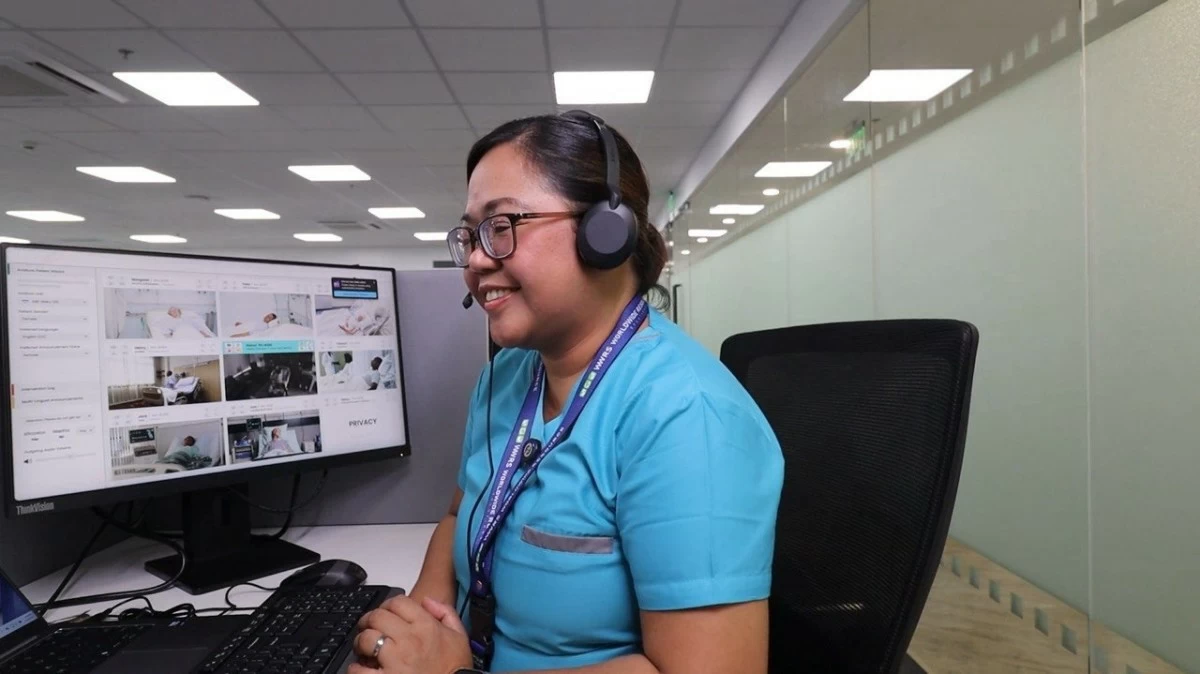
Philippine-based virtual sitters -- who are not licensed nurses but have at least two years of healthcare experience -- monitor up to 15 patients at a time through high-resolution video feeds.
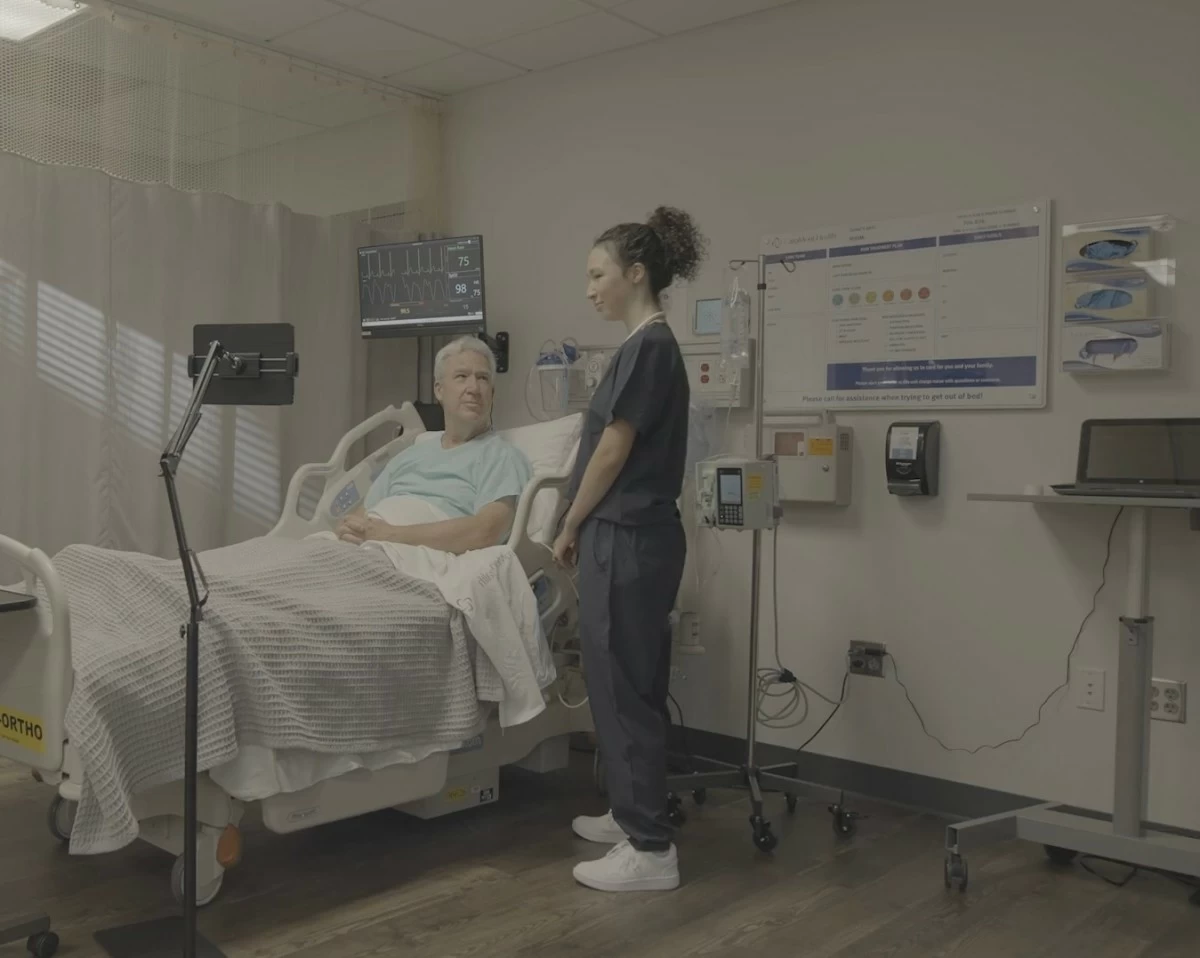
A hospital patient in the United States is introduced to his virtual sitter in the Philippines, who will help ensure his safety by monitoring his behavior and immediately alerting on-site care teams in the U.S. to any high-risk actions, such as attempts to get out of bed.
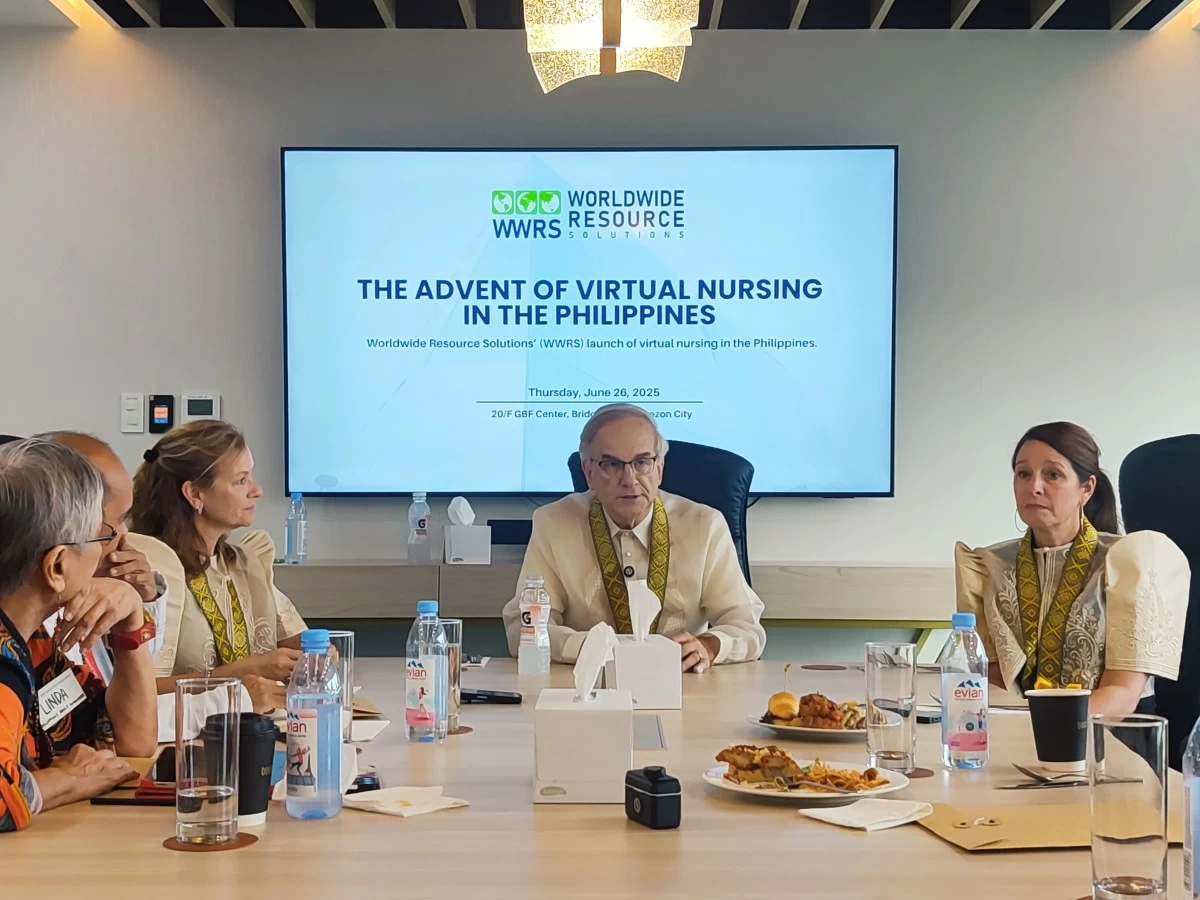
Executives of Worldwide Resource Solutions (WWRS), a subsidiary of Medical Solutions and Worldwide HealthStaff Solutions, face members of the media following the formal opening of their new facility at the GBF Center in Bridgetowne, Quezon City.
Virtual sitters, who are not licensed nurses but have at least two years of healthcare experience, monitor up to 15 patients at a time via high-resolution video feeds. Their role is to ensure patient safety by observing behaviors and immediately alerting on-site care teams in the U.S. of any high-risk actions, such as patients attempting to get out of bed.
“This is not about replacing nurses. It’s about supporting frontline staff so they can focus on hands-on care. This is just the beginning. The COVID-19 pandemic forced the healthcare industry to rethink care delivery, and virtual health is now an integral part of the system,” said Patti Artley, Chief Clinical Officer of Medical Solutions.
The Bridgetowne site boasts advanced commercial-grade infrastructure, redundancy systems, and a rigorous train-the-trainer model to simulate live sessions before sitters monitor real patients. WWRS expects ISO security certification this month, emphasizing the company’s commitment to data privacy and operational integrity.
Hiring has already begun, with an initial batch of 20 to 30 full-time and part-time staff. Many of the recruits are recent nursing graduates preparing for their local licensure exams.
“This gives them U.S. healthcare experience without having to leave the country,” said Artley, describing the program as a valuable stepping stone for Filipino healthcare workers aspiring to work abroad.
The company plans to scale rapidly to over 100 staff members as the model is validated. Compensation will be in Philippine pesos, but adjusted to reflect the elevated responsibilities tied to U.S. clinical standards.
WWRS aims to expand into full-fledged virtual nursing, providing registered nurse services such as ICU monitoring, medication reconciliation, discharge planning, and chronic disease management. These services will be delivered by U.S.-licensed Filipino nurses, subject to state-specific licensure or compact licensing rules covering 41 U.S. states.
Hoppe emphasized the strategic choice of the Philippines as the launchpad for this global initiative. “We’ve had a 22-year relationship with the Filipino healthcare community. The clinical training here aligns well with U.S. standards, and the workforce is ready. It just made sense. This is not just about solving a staffing problem in the U.S. This is about creating a scalable, secure, and sustainable way to deliver quality care — wherever the caregivers may be,” he added.
WWRS envisions its Bridgetowne facility as a global blueprint for virtual healthcare integration. Founded in May 2024, and already employs over 600 people across its Philippine operations. The company currently provides recruitment, credentialing, and back-office support, and is now spearheading telehealth innovation through its new hub in Quezon City.