







Remembering Rizal on his birthday
Published Jun 18, 2025 06:21 pm


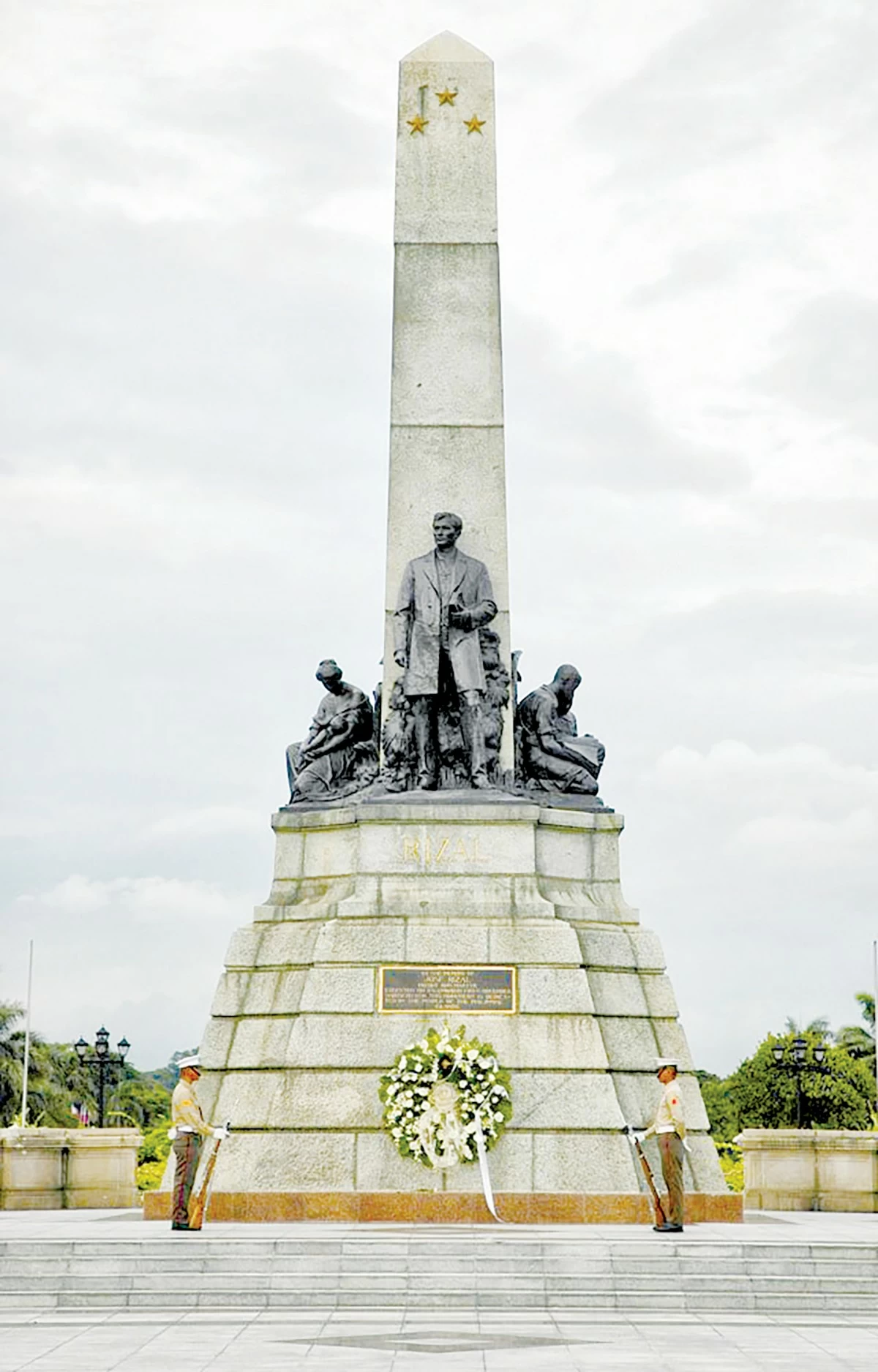
Today, the Philippines marks the birth of a man whose life continues to shape its national identity. José Rizal was born on June 19, 1861, in Calamba, Laguna. More than 160 years later, this day has become a quiet but growing moment of reflection. Across classrooms and city halls, from government tributes to simple online posts, June 19 is increasingly recognized not just as a birthday, but as a reminder of how much can be done with thought, courage, and purpose.
This is not a holiday that brings a break from work. Offices remain open, public life continues, and there are no fireworks or fanfare. Still, it now holds a place in the civic calendar. In 2018, Republic Act No. 11144 declared June 19 a special nonworking holiday in Laguna. In 2024, the House of Representatives passed House Bill No. 10958, which seeks to declare it a special working holiday across the country. It is a legislative step toward honoring Rizal’s life as much as his death.
Even without a long weekend, many still pause to remember.
The day he entered the world
If Dec. 30 is about the end of Rizal’s life, June 19 is about how it all began. It marks the birth of a boy who would grow into a reformist, a writer, and a national symbol. He was born to a principled family, studied across Europe, wrote two novels that helped spark a revolution, and died for ideas rather than power.
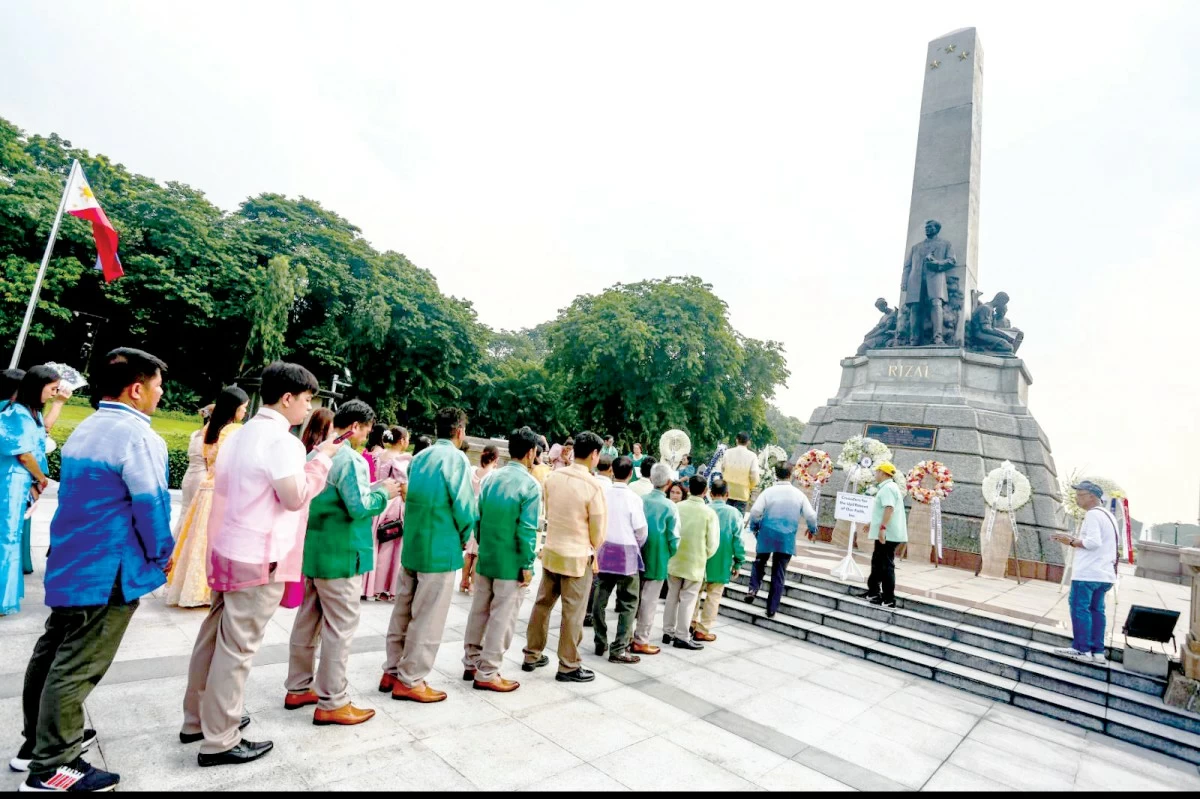
In Calamba, this date has long been a source of local pride. The ancestral home where Rizal was born is now a museum, visited by schoolchildren, history buffs, and families. On this day, it is often the centerpiece of quiet ceremonies. Teachers hold storytelling sessions. Students read poetry or perform short plays. Flags are raised, and wreaths are laid.
A birthday gaining ground
For much of the 20th century, only Rizal’s death was officially recognized. General Emilio Aguinaldo first declared Dec. 30 as a national day of mourning in 1898. The Americans formalized it through Act No. 345 in 1902, and it was further reinforced in 1948 by Republic Act No. 229, which prohibited public amusements like cockfighting and horse racing on that day.
By comparison, Rizal’s birthday received little national attention. There were symbolic efforts during his birth centennial in the early 1960s, including proclamations from Presidents Carlos P. Garcia and Diosdado Macapagal, but they were temporary. It was not until RA 11144 in 2018 that June 19 was formally recognized as a holiday in Laguna. Then in 2024, House Bill No. 10958 passed in the House of Representatives, pushing for June 19 to be declared a special working holiday nationwide.
While not yet a law, the measure reflects growing public and institutional support for honoring the day Rizal was born. The hope is not only to remember the man, but to reflect on the kind of life he led.
Rizal in everyday life
Rizal remains present in the lives of Filipinos in ways big and small. His name graces roads, towns, and schools. His face appears on coins and stamps. His ideas are taught in classrooms and quoted in speeches.
On both June 19 and Dec. 30, that presence becomes more visible. Teachers assign essays. Youth groups organize webinars or contests. Museums open special exhibits. In places like Dapitan, local governments host tree-planting drives and poetry readings. On social media, younger Filipinos post lines from Noli Me Tangere or share sketches of Rizal in modern art styles.
There is also a renewed effort to show Rizal as a whole person — not just the martyr, but the man. A doctor who treated patients for free. A teacher who believed in education in the vernacular. A son who wrote long, loving letters to his mother. A man who understood that real change is slow, and often lonely, but always worth it.
A moment worth keeping
June 19 may never draw the same crowds as Dec. 30, and perhaps it should not. Its value lies in its quieter tone. It reminds the country not just of how Rizal died, but how he lived with clarity, with purpose, and with hope.
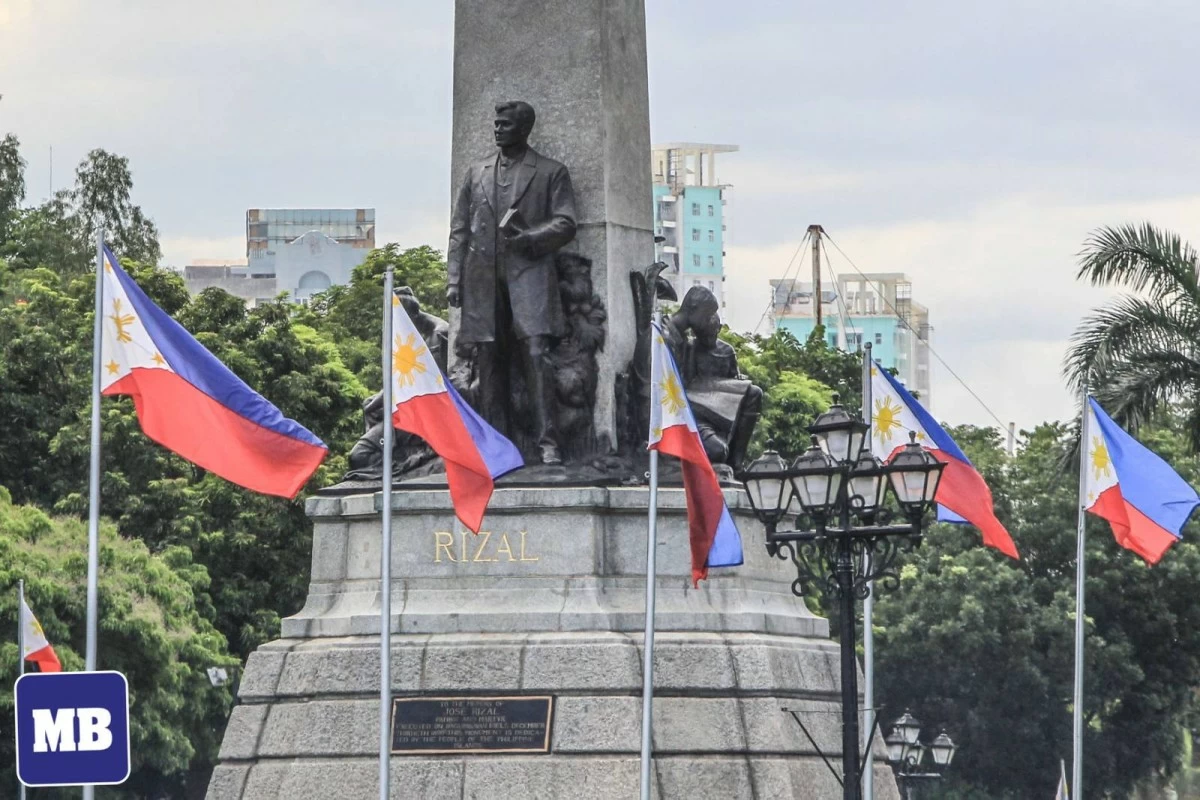
So whether you are reading this in an office, on a commute, or at home, take a moment to pause. Look again at the monument. Revisit his words. Think of the kind of country he believed in, and how much of that hope still depends on what Filipinos choose to do, every day.
Rizal has two days in our calendar. One marks an end. The other, a beginning. Both ask us to remember not only the man, but the vision he left behind.