







Modern lifestyle has become so hectic and at the same time more and more sedentary. With almost everything accessible with just one click, we are not required to move as much as we should to accomplish tasks.
Preventive care for a modern lifestyle
How can we apply physical therapy in our daily lives?
By Cheshire Que
Published Jun 9, 2025 11:16 am
|
Updated Jun 10, 2025 03:00 pm


At A Glance
- Contrary to the popular belief that physical therapy is only needed for athletes or when an individual has suffered injuries, there are other vulnerable groups of individuals that will likewise benefit from it.
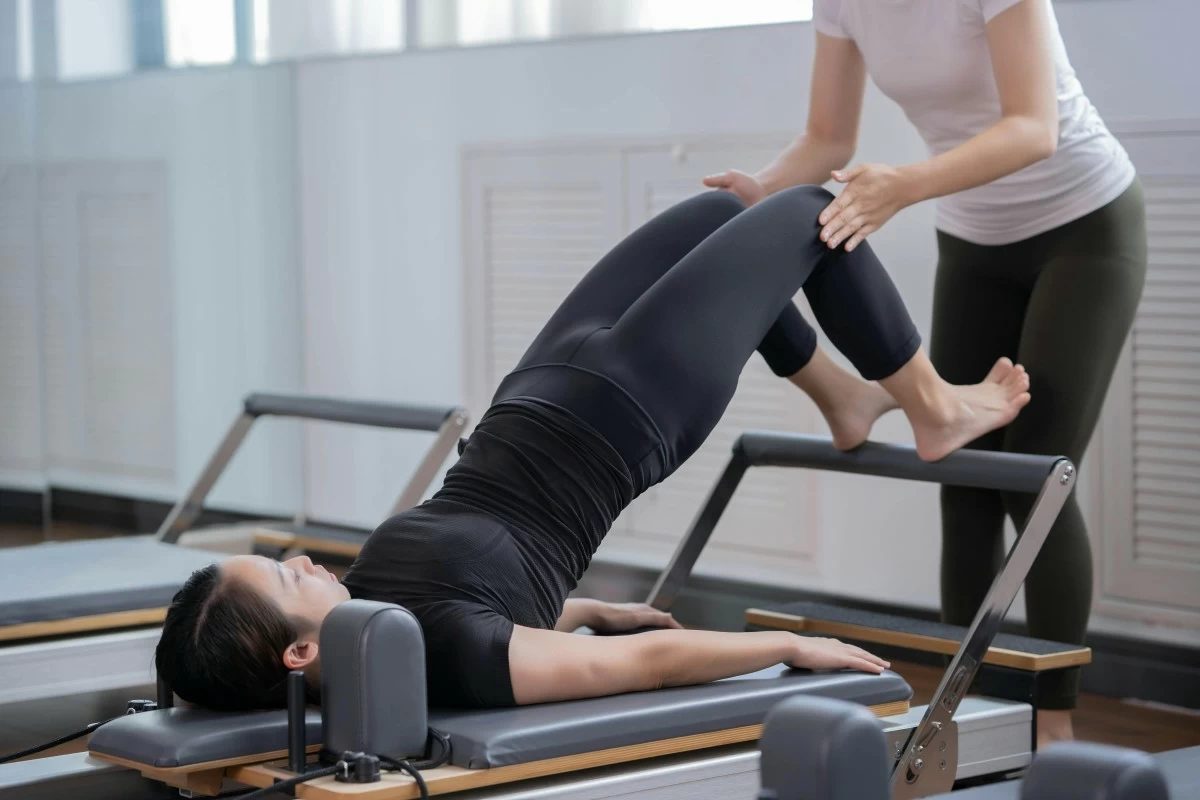
HEALYHY BONES, HEALTHY BODY Physical Therapy helps in improving mobility and managing pain.
Lack of movement is not only related to overall decline in health and wellbeing, but it is also a high risk for getting injuries, as well as suffering from chronic aches and pains.
“Many people experience musculoskeletal conditions. Lifestyle conditions due to having a sedentary lifestyle, poor diet, poor sleep quality, and increased stress levels are contributing factors. This is why it is important to promote the benefits of regular exercise and movement to prevent injury, aches, and pains,” said Mary Christine Domingo, PTRP, a licensed physical therapist and certified stroke rehabilitation specialist.
When asked how we can incorporate the principles of physical therapy in our daily lives, she explained that practicing a healthy lifestyle through a holistic approach is vital. In addition to eating the right food, getting a sufficient amount of sleep, and listening to your body, we can mindfully incorporate movement through the following steps:
• Having regular breaks from prolonged immobility, such as sitting for hours.
• Doing daily movements such as stretching and doing mobility exercises like arm circles and ankle circles.
• Incorporating moderate to vigorous intensity activities into your daily routine and schedule, such as walking, brisk walking, jogging, or running.
“Each person has his or her own personal needs and specific goals, so it is important to choose activities that are a great fit for your body. Consulting with a healthcare professional, such as a physical therapist, can help you in creating a plan that will address your needs and goals,” said Mary.
Contrary to the popular belief that physical therapy is only needed for athletes or when an individual has suffered injuries, there are other vulnerable groups of individuals who will likewise benefit from it.
Firstly, individuals preparing for a surgical procedure would greatly benefit from prehabilitation. This will help them in improving their strength, aerobic capacity, flexibility, and mobility in order to support the patient’s faster and more effective recovery after the surgical procedure, as explained by Mary.
Secondly, Mary emphasized addressing areas of women’s health and wellness that include individuals who are pregnant, dealing with PCOS or polycystic ovary syndrome, women experiencing menstrual problems, pelvic floor disorders, and individuals going through the challenging phase of menopause. Physical therapy to address the pelvic floor can help reduce pelvic pain and discomfort that women experience with these conditions. Furthermore, exercises will help in developing muscle mass, reducing body fat, and improving weight management. After all, weight gain is common when women are battling hormonal imbalances, get pregnant, or go through menopause.
Lastly, physical therapy does not just deal with physical health. It is a discipline that is inseparable from behavioral and mental health. Unfortunately, physical therapy is underutilized in the area of behavioral and mental health, which includes symptoms of depression and anxiety.
In 2020, the American Physical Therapy Association House of Delegates passed a position stating, “It is within the professional scope of physical therapist practice to screen for and address behavioral and mental health conditions in patients, clients and populations.” This has compelled physical therapists to intentionally address mental health as a key component in rendering physical therapy management.
If we go down memory lane, so-called reconstructive aides were sent overseas and all around the US during the first World War to help soldiers recover not only from physical injuries but also from battle neurosis. This is a type of PTSD or post-traumatic stress disorder characterized by symptoms of anxiety, depression, and trauma.
Having symptoms of depression and anxiety can possibly affect daily activities negatively. Physical therapists can help in creating structured exercises, relaxation techniques that include diaphragmatic breathing, as well as mindfulness techniques.
Science-based techniques related to behavioral and mental health through physical therapy can help in the production and stabilization of neurotransmitters or brain chemicals that promote mood regulation. It can also help in decreasing the production of stress hormones that interfere with sleep, mood, and appetite.
“Physical therapists, or PTs, are movement experts, so their role is to help individuals and patients improve their movement patterns and their overall function, rather than just relying heavily on passive treatments. Moreover, PTs must evolve to treat the patients holistically, not just by treating their physical impairments but also addressing their mental health, stress level, sleep quality, and nutrition in collaboration with respective allied health practitioners,” said Mary.
She encourages everyone to be responsible for their health and wellbeing by actively participating in healthier habits while setting realistic and achievable goals. Both of which are vital steps toward leading a healthier life.