







Malacañang has reiterated its commitment to continuing the Public Transport Modernization Program, but acknowledged the need to better prepare drivers and operators before proceeding further.
Palace: PUV modernization stays, but timeline under review
Published Jun 4, 2025 02:50 pm


At A Glance
- Castro said President Marcos agreed with the concerns Dizon raised.
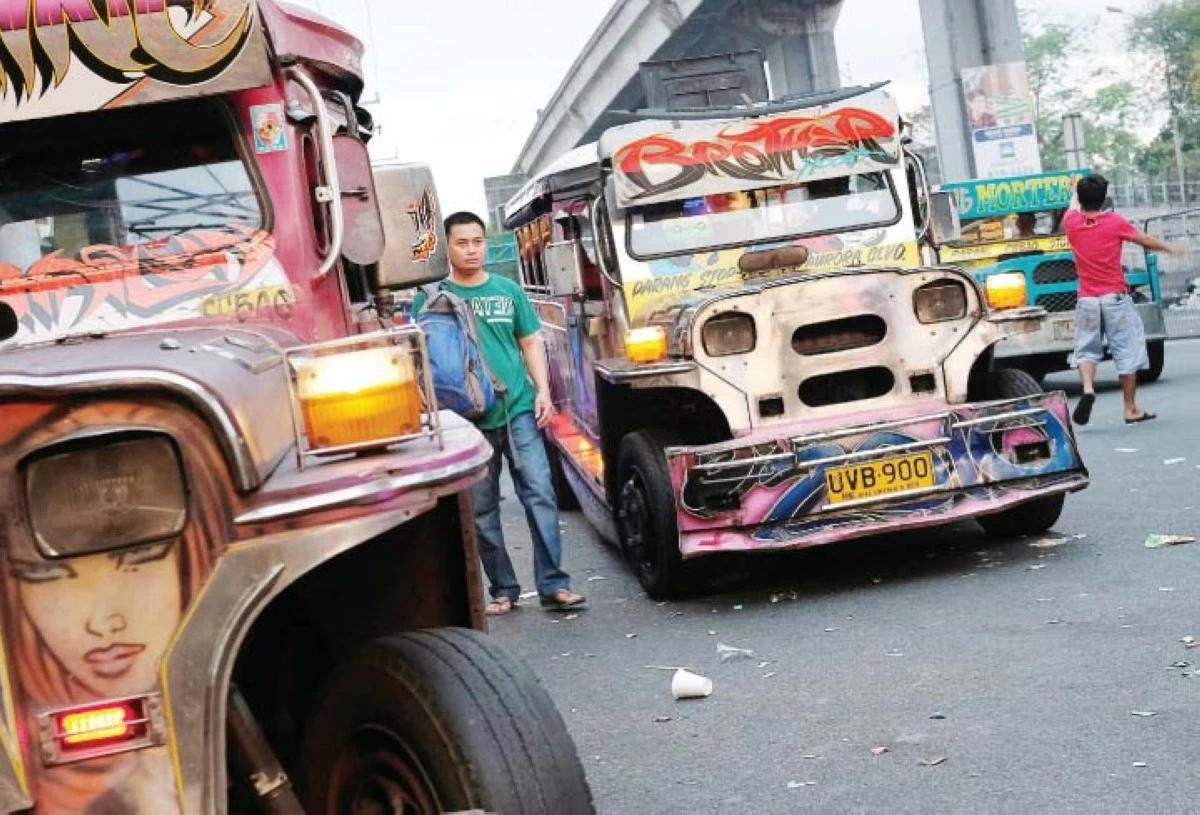
(File Photo)
Communications Undersecretary Claire Castro said this after Transportation Secretary Vince Dizon admitted that implementing the program, formerly known as the Public Utility Vehicle Modernization Program, is "not viable" under its current state.
In her press briefing on Wednesday, June 4, the Palace official said President Marcos agreed with the concerns that Dizon raised.
"Positibo naman po ang response ng ating Pangulo, at ayaw naman din po niyang pahirapan ang mga operators at mga jeepney drivers natin kung ipu-push po ito tapos parang pilit (The President responded positively, and he doesn’t want to burden the operators and drivers if this is pushed too forcefully)," she said.
"Dapat po talagang aralin para po lahat po naman ay maging maayos ang takbo at pag-implement po ng programa na ito (It must be thoroughly studied so the program is implemented properly)," she added.
Among the concerns raised was the need to train drivers and operators on managing and operating transport cooperatives.
“Hindi po pwedeng ‘O gawa kayo ng kooperatiba,’ and then that’s it. Ihahanda po natin ang mga concerned na tao (We can’t just say ‘Go form a cooperative’ and leave them to it. We have to prepare the people involved)," Castro said.
The Palace Press Officer added that other issues—such as the cost of modern vehicles, the burden of loan payments, and route rationalization—were also presented to President Marcos.
"Pinaplano po na magkaroon pa po ng ibang suppliers…kung makakapagbigay sila ng mas murang sasakyan (There are plans to bring in other suppliers who can offer more affordable vehicles)," she said.
"Kailangan din po na kayanin ng ating mga kababayan ang interest or yung pagbabayad sa utang (Our people should be able to afford the interest and repay their loans)," she added.
Castro also raised the need to coordinate with local government units (LGUs) to discuss jeepney routes.
"May mga ruta po kasi naman hindi dinadaanan ng maraming jeepneys, so yun din po ay dapat isaayos with the LGUs (There are routes that are not regularly serviced by jeepneys, so that must also be addressed with the LGUs)," she said.
While the government has not announced any formal pause, Castro stressed that preparations must be thorough before advancing the next phase of the modernization plan.
"Tandaan po natin, tuloy pa rin po ang PUV Modernization Program. Ihanda lang po natin lahat ng mga stakeholders po dito (Let’s remember: the PUV Modernization Program will push through. We just need to prepare all stakeholders)," she said.
Launched in 2017, the PUV Modernization Program aims to replace old and unsafe jeepneys with environmentally-friendly and safer vehicles, equipped with Euro 4 or electric engines.
It also requires operators to form cooperatives or corporations to qualify for financial assistance and route allocations.
While the program has received support from some sectors, many transport groups say the cost of new vehicles—ranging from P2.5 million to P2.8 million—is unaffordable for most small operators, especially given limited access to financing and the high cost of living.
In a meeting of the Commission on Appointments (CA), Dizon said there were many problems facing the program, such as banks suspending giving loans for the modernization, and a consolidation rate of only 40 percent.