







Xiaomi unveiled its first flagship processor, the XRING O1 3nm SoC for smartphones and tablets and the XRING T1 4G SoC for smartwatches. Launched in Beijing at the company's "A New Beginning" event, these chips mark a significant event in the company's push for independence. The event also introduced the Xiaomi 15S Pro smartphone, the Pad 7 Ultra, AIot and smart home appliances.
Independence day for Xiaomi as it begins its new chip era
By Len Amadora
Published Jun 4, 2025 12:32 pm
|
Updated Jun 4, 2025 02:55 pm


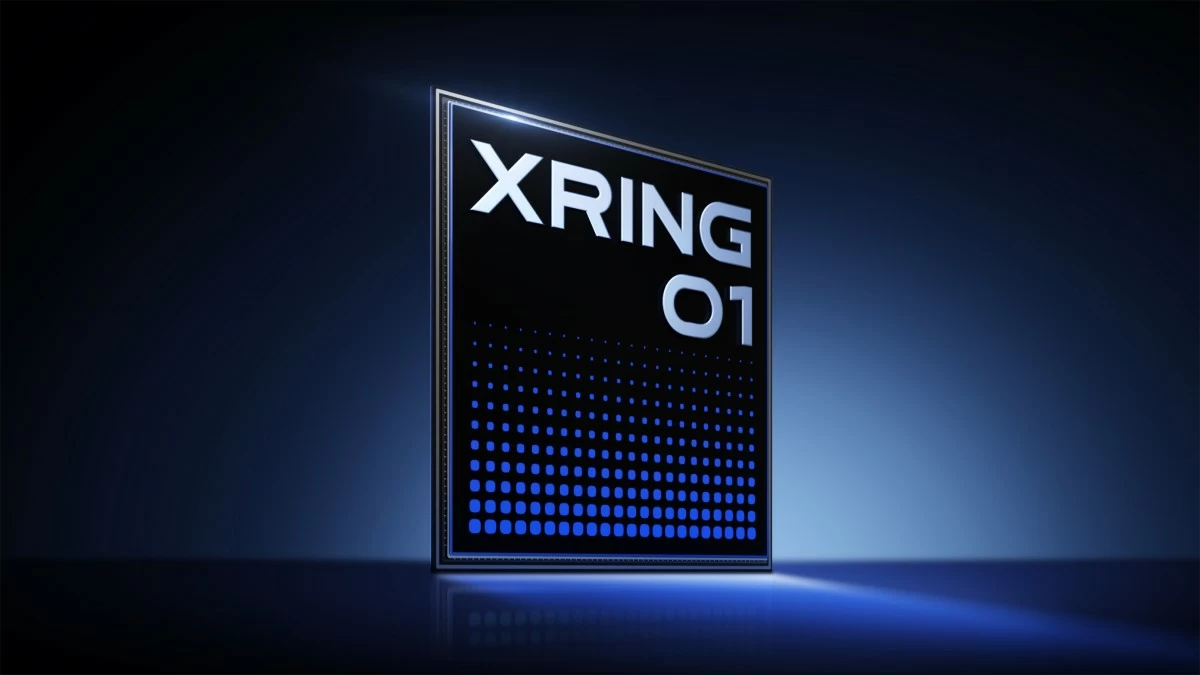
XRING O1
Xiaomi developed its own flagship processor, the XRING O1 3nm SoC. Built using an advanced second-generation 3nm process, it features 19 billion transistors, designed to deliver top-notch performance while optimizing power efficiency.
It features a 10-core CPU, including 2 Cortex-X925 cores running at 3.9GHz. These cores act as the 'brain' behind demanding tasks like gaming and AI processing. In addition, the 16-core Immortalis-G925 GPU ensures smooth gameplay, high-quality visuals and efficient rendering for apps and videos.
The XRING O1 3nm SoC debuts in the Xiaomi 15S Pro smartphone and the Xiaomi Pad 7 Ultra tablet.
Why does it matter?
Xiaomi's development of its own processor marks a significant milestone, as the company will no longer depend on other suppliers like Qualcomm and Mediatek to power its top-tier devices. This independence gives Xiaomi greater flexibility and control over performance and innovation.
The XRING O1 contains 19 billion transistors. These are tiny electric components that switch and amplify electric signals (similar to a light switch that turns a light bulb on and off). These densely packed transistors enable super-fast data processing. This translates to superior performance when it comes to gaming, multitasking and AI-driven tasks. Plus, they are energy-efficient too, helping extend battery life for smartphones and tablets.
The Xiaomi XRING O1 chip has a 10-core CPU functioning like an office with 10 hard-working staff, each handling different tasks. Leading the charge are two Cortex-X925 cores, the strongest and fastest running at 3.9GHz to handle demanding tasks like gaming and AI calculations. Meanwhile, to ensure a smooth gameplay, good quality visuals and highly efficient app performance is the 16-core Immortalis-G925 GPU built to deliver top-tier graphics.
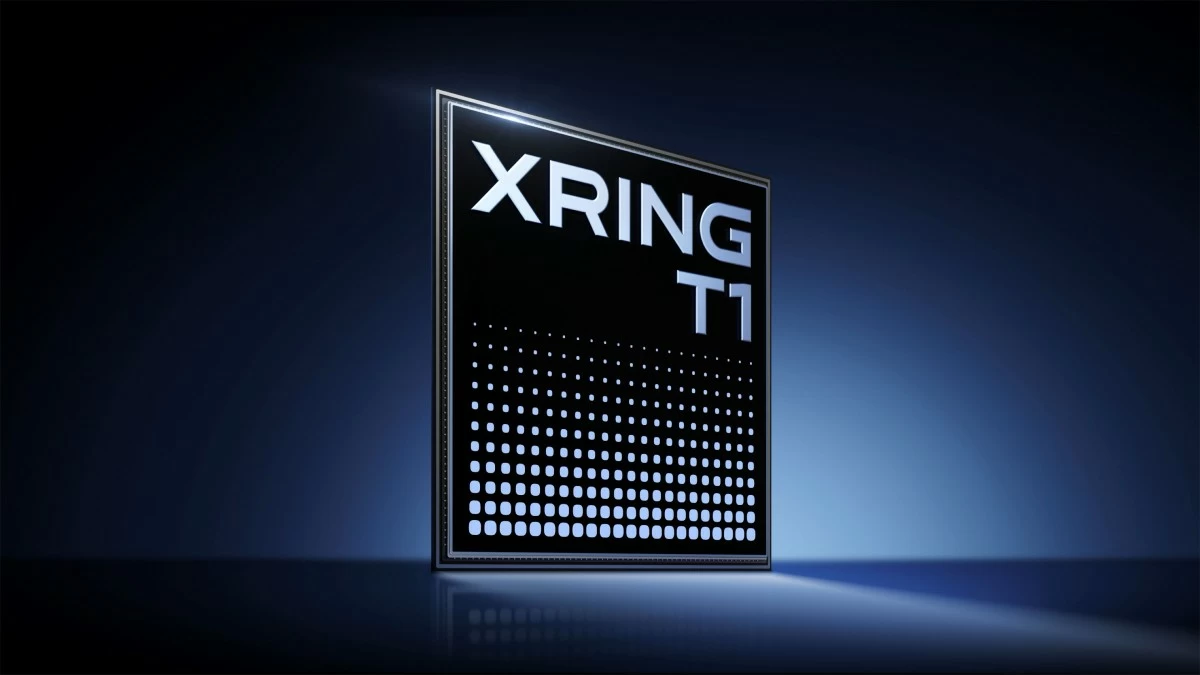
XRING T1 4G
Another first for Xiaomi is the XRING T1 4G chip, especially designed for smartwatches. By developing its own 4G LTE modem, this chip is 35% more efficient than previous smartwatch modems. It delivers 35% better 4G performance and it supports an eSIM technology, allowing users to make calls, send messages and use data without the use of a smartphone.
With eSIM enabled, the XRING T1 4G is battery efficient, offering up to 9 days of battery life. And when connected to a smartphone, it can last up to 15 days.
The XRING T1 4G processor will debut in the Xiaomi Watch S4 15th Anniversary Edition.
The launch of the Xiaomi XRING O1 3nm SoC and the XRING T1 4G chips marks a new era for Xiaomi, showcasing its ability to innovate beyond just faster and smarter devices. This move reduces the company's reliance on foreign suppliers, giving it a competitive edge and setting it apart in the market.
With 13.5 billion RMD already invested in R&D, a planned 50 billion RMD investment over the next 10 years and a dedicated team of 2,500+ engineers, Xiaomi's development of its own flagship chips is paving the way for smarter, faster and more connected devices. As the company continues to expand into AIoT, wearables and EVs, its cutting-edge technology is driving the future of next-generation computing.