







Do you have a bone fracture? Have you been diagnosed with osteoporosis? If you say no to these questions and are taking calcium supplementation for prevention without any medical condition or nutrient deficiencies requiring supplementation, you'd better stop it now.
Why taking calcium supplements shouldn't be the norm
The harmful effects of calcium supplements
By Cheshire Que
Published Jun 2, 2025 11:15 am


At A Glance
- When we exercise, the bone-building cells get stimulated. Thus, it increases bone density and strengthens the bones.
Calcium intake from food sources is beneficial to health. This mineral goes beyond supporting bone and dental health. It is involved in many processes in the body, including muscle contraction, nerve function, and blood clotting, in addition to regulating heart rhythm. However, taking bolus or large amounts of calcium that are isolated molecules and chemically derived, such as in the form of supplements, is more harmful than beneficial to one’s health. Most especially, to your cardiovascular health.
“Calcium loading from supplements, i.e., bolus consumption of large amounts in one dose, may be more likely to contribute to arterial calcification than smaller doses from foods over a day, especially in older adults. The evidence that high calcium intakes are associated with cardiovascular calcification is more compelling in those with chronic kidney disease (CKD),” according to John J B Anderson and Philip J Klemmer in their published review of research from some disciplines entitled “Risk of High Dietary Calcium for Arterial Calcification in Older Adults.”
How can calcium supplements be damaging to the cardiovascular system? The heart pumps blood through a network of blood vessels, or arteries and veins, throughout the body. The arteries can get clogged with plaque. Calcium deposits are part and parcel of these heart-clogging plaques in combination with fats, cholesterol, fibrin (a fibrous protein found in blood clots to stop bleeding in wounds), and other waste products. When arteries are clogged, they become stiff, and blood pressure becomes abnormally elevated. This results in organ damage like the heart, eyes, kidneys, and more.
If you are genetically predisposed to producing more cholesterol than other individuals who are not, then how much more damaging is it to consume additional calcium from supplementation?
As we age, the rate of muscle mass loss and bone loss accelerates. Is it time to take calcium supplementation?
In a randomized controlled trial conducted by Mark J Bolland and colleagues on the Vascular Events in Healthy Older Women Receiving Calcium Supplementation, 1471 postmenopausal women participated. The study concluded that myocardial infarction, commonly referred to as a heart attack, stroke, or sudden death, was more common among the group of women taking calcium supplementation.
There are circumstances when calcium supplementation may be needed for some time. Taking calcium in supplement form, however, for health prevention is a big no. There are so many ways to make your bones stronger and to make your body absorb calcium optimally. Here are the things that you must do:
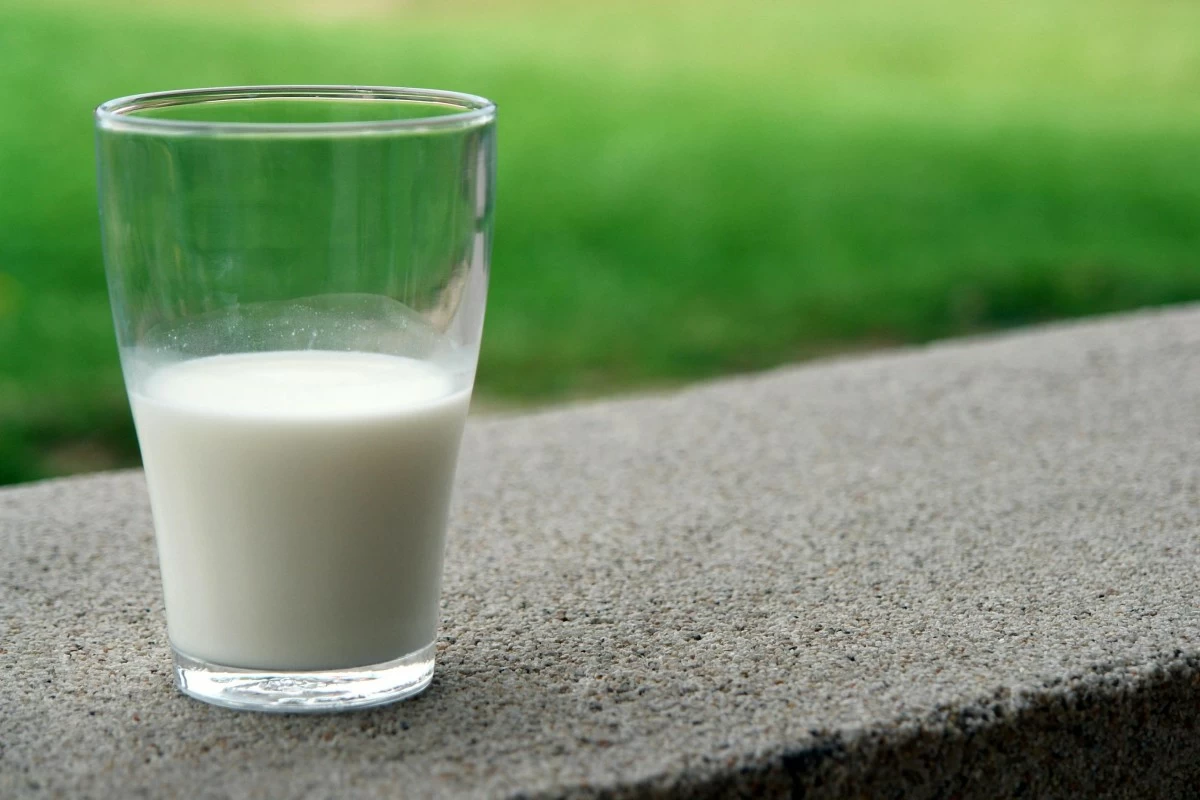
Consume wholesome sources of calcium-rich food. But before you get that glass of milk, let me warn you that dairy products are indeed superior in terms of calcium content. Humans, however, can only absorb a little compared to the amount of calcium that we can absorb from plant sources. Therefore, even if milk has a higher calcium content compared to vegetables, we get to absorb more of the calcium from vegetables.
A cup of cow’s milk contains 300mg of calcium, yet only 100mg, or thirty percent of its calcium content, is absorbed. The bioavailability or actual nutrient absorbed in the body is less than the bioavailability of calcium from vegetables. For example, one cup of bokchoy contains 160mg, but 80mg or 50 percent of the calcium is absorbed. Furthermore, eating vegetables will make you feel fuller due to the fiber content, as it has fewer calories and no fat compared to milk. It also contains phytonutrients and antioxidants that milk and other dairy products will never be able to provide. The benefits go beyond just getting calcium.
Other plant sources of calcium that you should include in your diet are soy, edamame, beans, lentils, dark green leafy vegetables like our widely available malunggay and kang kong, cruciferous vegetables like cabbage, kale, broccoli, starchy vegetables like potato and sweet potato, or kamote. Fruits like raisins, prunes, dried figs, melon, and oranges also contain calcium. Eat these vegetables daily in combination with other vegetables. Aim to consume at least two cups of vegetables on a daily basis.
Cutting down on animal meat, especially red meat like pork, beef, and lamb, will also help decrease the acid load on the body. Consuming animal meat will result in bone resorption. This is a process wherein the calcium stores in the bones are drawn out to neutralize the acidity caused by the breakdown and digestion of animal meat. This renders the bones weak.
Aside from diet, it is important to get at least 10 to 15 minutes of sun exposure without sunblock applied on the arms and legs daily to get the sunshine Vitamin D. This vitamin enhances the absorption of calcium in the body. If you don’t get sun exposure, ask your doctor or registered nutritionist dietitian for the proper dosage of Vitamin D supplementation.
After fixing your diet and getting sun exposure, make sure that you do weight-bearing exercises. Walk, run, do sports, strength training, and just get moving. When we exercise, the bone-building cells get stimulated. Thus, it increases bone density and strengthens the bones.
Remember that it is better, healthier, and safer to get nutrients from wholesome, minimally processed food than from a single pill. Only take calcium supplements when it is medically required to treat a deficiency and not as a prevention.