







Have you been diagnosed with hypothyroidism or an underactive thyroid gland? Were you told to avoid soy and soy products like tofu and taho? What is the basis for this recommendation? Where did this connection between the thyroid gland and soy intake come from?
Should we be dropping soy from the menu?
Debunking myths about soy intake on thyroid function
By Cheshire Que
Published May 26, 2025 02:19 pm


At A Glance
- When consuming soy and soy products, it is important to ensure that the source is wholesome and minimally processed to obtain the highest amount of phytochemicals that are beneficial to our health.
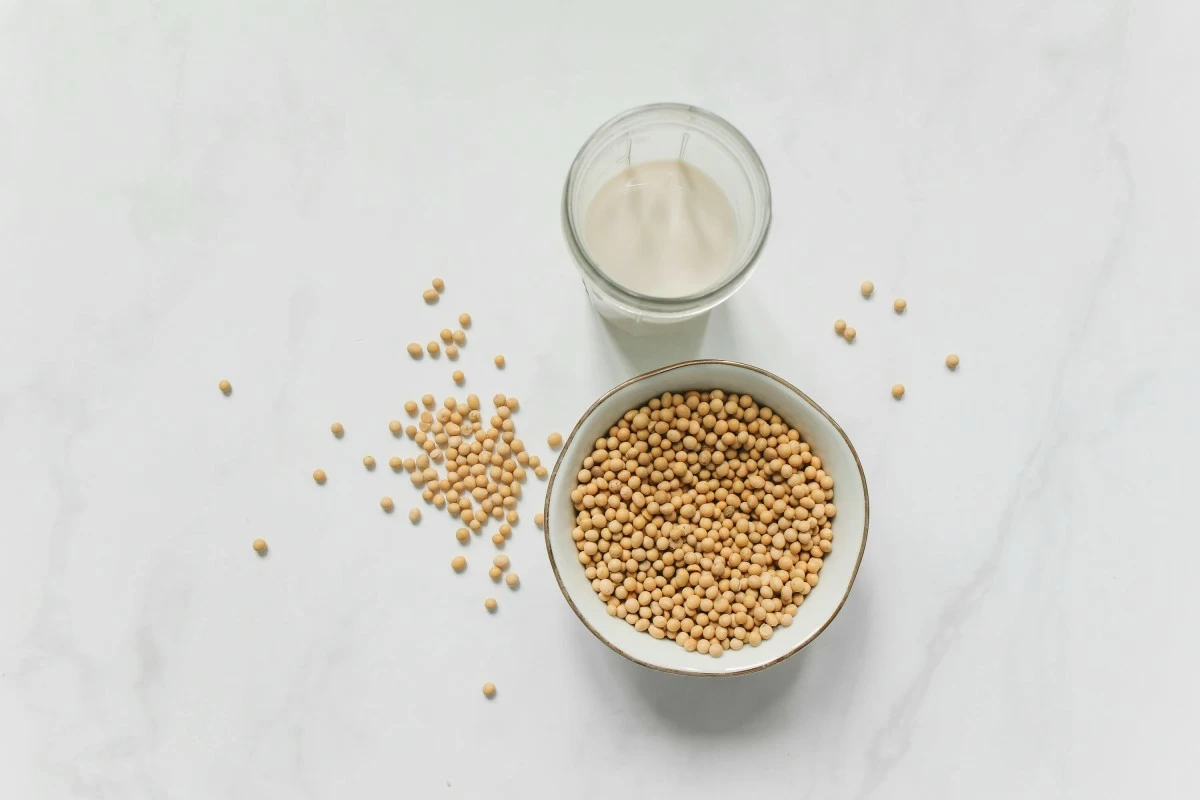
Soy’s reputation has been demonized for decades. Being called an endocrine disruptor and accused of wreaking havoc with not only the thyroid hormone balance, but also said to be a risk factor for breast cancer. These are all myths. Recent studies have shown that advising individuals against the consumption of wholesome sources of soy is outdated. The basis for that kind of advice is based on animal and laboratory studies, not human trials.
In 2021, researchers Mark Messina and colleagues conducted a technical review of the observational and clinical data to examine the association between soy or isoflavone intake and endocrine-related endpoints. After analyzing 229 observational studies, 157 clinical studies, and 32 systematic reviews and meta-analyses, their team concluded that the available evidence gathered and reviewed indicated that intake of soy has no adverse effect on the function of the thyroid gland.
The thyroid gland is a small butterfly-shaped gland that is located in the front of the neck. This gland is small but terrible. Most especially when its ability to produce thyroid hormones is compromised. How could something so small hold so much power in the body? The thyroid gland controls and regulates the body’s metabolism. Yes, it has the power to make you gain and lose weight. It also regulates growth and development and body temperature. Its function affects the heart rate, muscles, digestive system, brain health, bone health, and so much more, including our skin and mood. For instance, when you have an underactive thyroid gland, your cholesterol may shoot up. Your weight may increase, and you will also feel easily fatigued or sluggish. On the other hand, when your thyroid is overactive, you can experience increased heartbeat, weight loss, and even loose bowel movements or diarrhea.
Before blaming soy for causing your hypothyroidism, let’s get to the root cause, which is iodine deficiency. Iodine is a trace element that is used to make the thyroid hormones T3 or triiodothyronine and T4 or thyroxine. Iodine is abundant in seaweed, seafood, beans, kale and other green leafy vegetables, prunes, strawberries, and cranberries. Iodized salt, used sparingly, can also provide iodine in the diet.
Even if an individual consumes soy or other food that contain goitrogens, such as cabbage, broccoli, and other cruciferous vegetables, for as long as the person is not deficient in iodine, there will be no issues with thyroid function.
In the 1930s, soy was classified as goitrogenic, or a food that contains goitrogens. These are substances naturally found in dairy products, egg, soy and other cruciferous vegetables. Goitrogens may interfere with the production of the thyroid hormones T3 and T4, especially in excessive amounts. So, should we avoid soy and cruciferous vegetables? The answer is no. If your intake of iodine-rich food like leafy vegetables, beans, and some seafood are adequate, then you do not have to avoid tofu and vegetables like cauliflower from the cruciferous family. Go ahead and drink soy milk. Cooking plant sources that contain goitrogens can, in fact, decrease the level of goitrogens, rendering them so weak they can’t interfere with thyroid function. If you’re still worried, then don’t eat a cabbage salad, instead, have some sauteed cabbage or soup. Having just two cups of raw cabbage a day, however, won’t kill your thyroid cells. How many vegetables do you honestly consume in a day, anyway? Most individuals barely even meet the minimum recommendation of three servings of vegetables daily. That amount won’t be harmful to the thyroid function. It will even be beneficial in aiding the repair of a faulty thyroid function.
Before you get hold of that soy, bear in mind that for individuals who are taking thyroid hormone replacement drugs like levothyroxine, the plant nutrient or phytochemical isoflavone in soy may indeed interfere with the absorption of your synthetic hormone replacement. Therefore, the levothyroxine must be taken on an empty stomach or at least two hours after a meal to ensure optimum absorption. Soy, edamame (young soybean), and other soy products like taho, tofu, miso, and soymilk must not be taken together with thyroid medication. Give it at least an hour or several hours' interval. For example, if you take the medication upon waking up, you can have soy for lunch or a soymilk for a midmorning snack. If you take your thyroid medication at bedtime, then you can have soy for lunch or two to three hours before bedtime for dinner.
When consuming soy and soy products, it is important to ensure that the source is wholesome and minimally processed to obtain the highest amount of phytochemicals that are beneficial to our health. Regularly have soybeans, fresh and frozen edamame, unsweetened soymilk, and freeze-dried powdered soy. In addition, taking isolated isoflavone supplements is not recommended. Isolated and chemically derived nutrients may cause imbalances as compared to wholesome sources. While you can drink pure soy protein powder that contains isoflavones, taking an isoflavone supplement in pill form is another story. It is metabolized differently in the body, unlike soy in its wholesome form.
When it comes to our health, we should always heed advice that is backed up by science. Information must also be updated because science is dynamic.