






Manila Bulletin
 Philippines
National
In 2025 polls, Filipino teachers shine as heroes, but fight for fair pay and reforms continues
Philippines
National
In 2025 polls, Filipino teachers shine as heroes, but fight for fair pay and reforms continues
Philippines
National
In 2025 polls, Filipino teachers shine as heroes, but fight for fair pay and reforms continues
In 2025 polls, Filipino teachers shine as heroes, but fight for fair pay and reforms continues
DepEd honors the bravery of teachers during the 2025 elections amid calls for policy changes and tax-free honoraria
Published May 14, 2025 11:28 am
|
Updated May 14, 2025 01:14 pm


At A Glance
- Filipino teachers are hailed as heroes in the 2025 elections, but many are calling for fair pay and urgent education reforms to address the challenges they face.
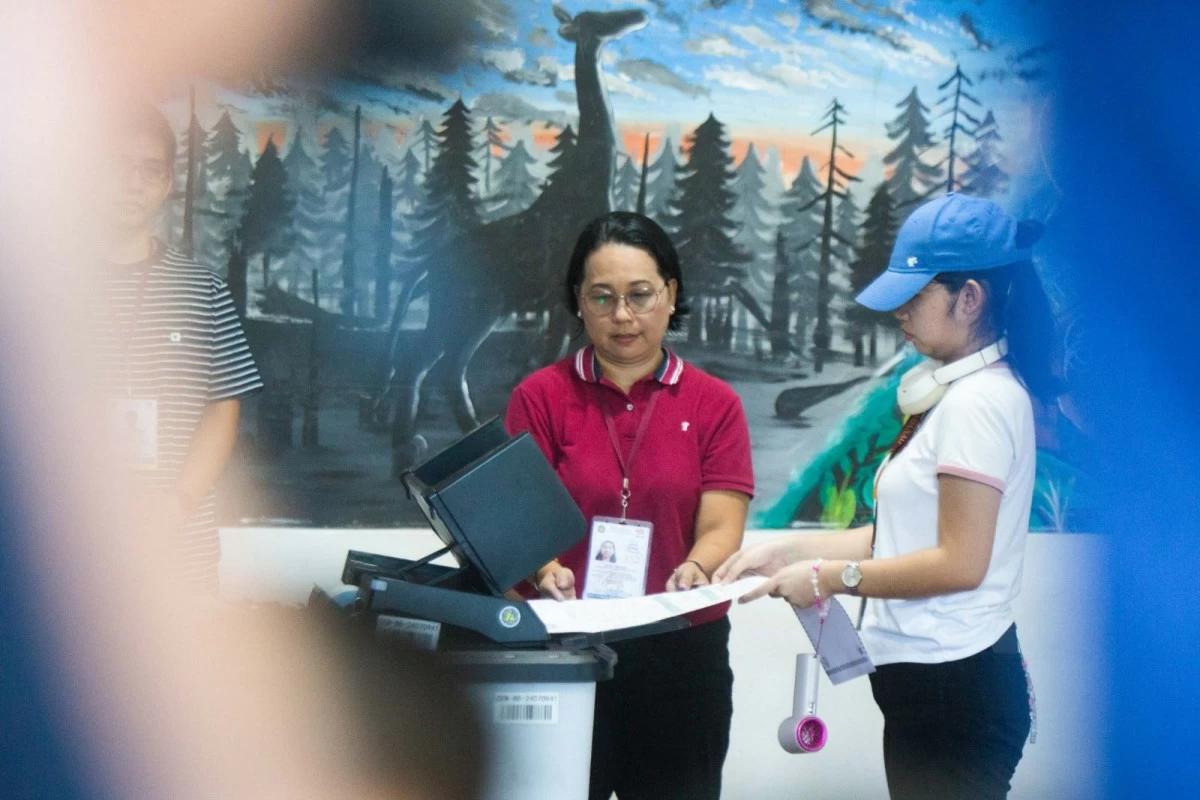
Beyond the applause: Filipino teachers demand more—fair pay and reforms after the 2025 polls (KEITH BACONGCO / MANILA BULLETN / FILE)
As the nation reflects on the 2025 midterm elections, the heroism of Filipino teachers stands out.
However, their service continues to be marred by long-standing systemic issues, as reported by the Department of Education (DepEd) and teachers' groups such as the Alliance of Concerned Teachers (ACT) Philippines and the Teachers’ Dignity Coalition (TDC).
While DepEd celebrates teachers' roles in defending democracy, teachers and advocates insist that words of praise must be matched with policy changes—especially fair compensation, improved working conditions, and institutional reforms that honor the invaluable role teachers play in every democratic exercise.
Teachers as frontliners of democracy
The Department of Education (DepEd) commended the unwavering dedication and civic spirit of over 660,000 public school teachers and personnel who served as poll workers during the 2025 National and Local Elections (NLE).
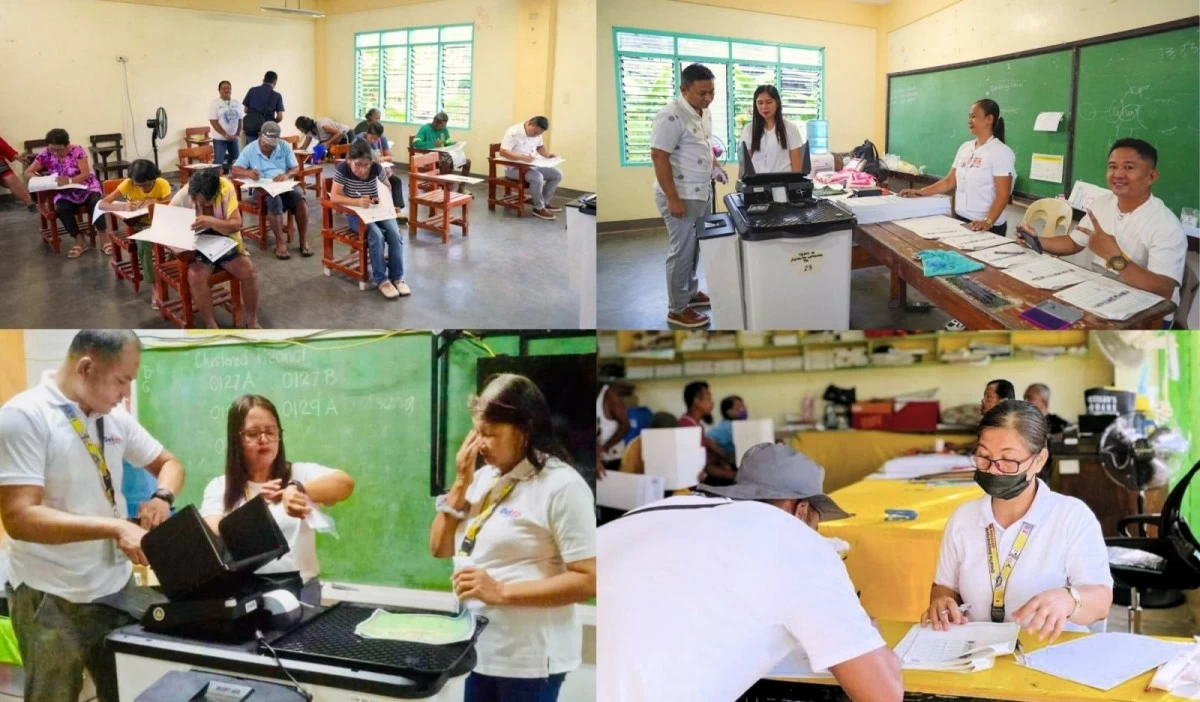
DepEd salutes teachers for peaceful 2025 polls (Photo from DepEd)
Deployed to thousands of precincts nationwide, DepEd said in a statement that teachers played a crucial role in ensuring peaceful, safe, and orderly elections.
“Salamat po sa lahat ng guro, poll workers, at school staff na tumulong at nagbantay sa halalan (Thank you to all the teachers, poll workers, and school staff who helped and stood guard during the elections),” said DepEd Secretary Sonny Angara in a statement issued on May 13.
“Mula simula hanggang matapos, and’yan kayo—hindi bumitaw (From start to finish, you were there—you never let go),” he added.
DepEd said that over 660,000 of its personnel were among the 758,549 poll workers deployed nationwide—helping ensure the safe, fair, and orderly conduct of the elections in thousands of polling precincts across the country.
“Saludo po kami. Dahil sa inyo, naging maayos at safe ang proseso. Kayo ang tunay na ka-team sa Bagong Pilipinas—laging handa, laging para sa bayan (We salute you. Because of you, the process was orderly and safe. You are the true teammates of Bagong Pilipinas—always ready, always for the nation),” he added.
Reaffirming DepEd’s commitment to supporting teachers who uphold the democratic process under challenging conditions, Angara also lauded the teachers for being “not just public servants” but “frontliners of democracy.”
DepEd’s Election Task Force (ETF) operated a 24/7 command center in Makati City from May 11 to 13, processing 603 election-related incidents, ranging from vote-counting machine (VCM) glitches to ballot irregularities.
Most issues were resolved at the regional and division levels or referred to the Commission on Elections (COMELEC), DepEd said.
Regions with the most reported concerns included Region IX, the Bangsamoro Autonomous Region in Muslim Mindanao (BARMM), and the National Capital Region (NCR).
Despite these issues, both DepEd and COMELEC assessed the elections as generally peaceful and successful.
“In line with the assessment of COMELEC and other agencies, we can say that, overall, the elections were conducted smoothly,” said DepEd ETF Chair and Undersecretary Malcolm Garma.
Calls for fair compensation and electoral reform
While DepEd praised the teachers’ contributions, teachers' organizations voiced urgent concerns over working conditions, delayed compensation, and the taxation of honoraria.
The Alliance of Concerned Teachers (ACT) Philippines issued a statement on May 13 demanding the immediate tax exemption of poll workers’ honoraria and overtime pay for extended election service, citing cases where teachers worked more than 24 consecutive hours—from setting up polling stations to returning election paraphernalia.
“Teachers are supposed to receive their election service compensation within 15 days after election day,” said ACT Chairperson Vladimer Quetua.
ACT also urged President Marcos to reverse his 2022 veto of a bill that would have exempted election-related honoraria from income tax.
“It is high time that the Marcos Jr. administration, the COMELEC, and other concerned agencies proactively take all necessary steps to heed our call for tax-free election honoraria and overtime pay for extended poll work,” Quetua said.
“This is a crucial measure to demonstrate genuine recognition of the invaluable service rendered by our teachers and poll workers during elections,” he added.
Meanwhile, ACT also commended the teachers who served in the elections and endured hunger, sleep deprivation, physical discomfort, and even threats of violence while fulfilling their duties.
“Taos-pusong pasasalamat sa ating magigiting na mga guro at sa lahat ng iba pang nagsilbi ngayong eleksyon na humarap sa hindi mabilang na problema, anomalya, iregularidad, at dumanas ng hindi makataong kalagayan at maging karahasan mula presinto hanggang canvassing areas (A heartfelt thank you to our brave teachers and all others who served during this election, facing countless challenges, anomalies, irregularities, and enduring inhumane conditions—even violence—from precincts to canvassing areas),” Quetua said.
TDC proposes concrete reforms for future elections
The Teachers' Dignity Coalition (TDC), in a separate statement issued on May 13, echoed ACT’s calls and proposed a list of comprehensive reforms aimed at improving election service delivery and protecting the welfare of poll workers.
Their other recommendations include the deployment of more technical personnel for immediate response to machine issues; early voting schedules for vulnerable groups; expansion of precincts and shortening of voting hours; ensuring secured transport and allowing Electoral Board members to vote in their assigned precincts; granting overtime pay, service credits, and tax-free honoraria; and the provision of emergency health personnel, official identification, and emergency kits.
TDC Chairperson Benjo Basas emphasized that long-term electoral reforms must also address vote-buying, political dynasties, and corruption to truly safeguard democratic integrity.
“Let elections be not just democratic exercises, but steps toward genuine and lasting change,” the TDC said, citing glimpses of hope in the 2025 elections—such as the defeat of some political dynasties, increased votes for progressive candidates, and the rejection of celebrity politicians with no platforms.
RELATED STORY: