






 Philippines
National
Comelec denies vote manipulation, 'dagdag-bawas' in election returns data
Philippines
National
Comelec denies vote manipulation, 'dagdag-bawas' in election returns data
Comelec denies vote manipulation, 'dagdag-bawas' in election returns data
By Dhel Nazario


The Commission on Elections (Comelec) on Tuesday, May 13, addressed public confusion over a delay and duplication of data in the transmission of election returns, assuring the public that there was no manipulation or tampering of votes.
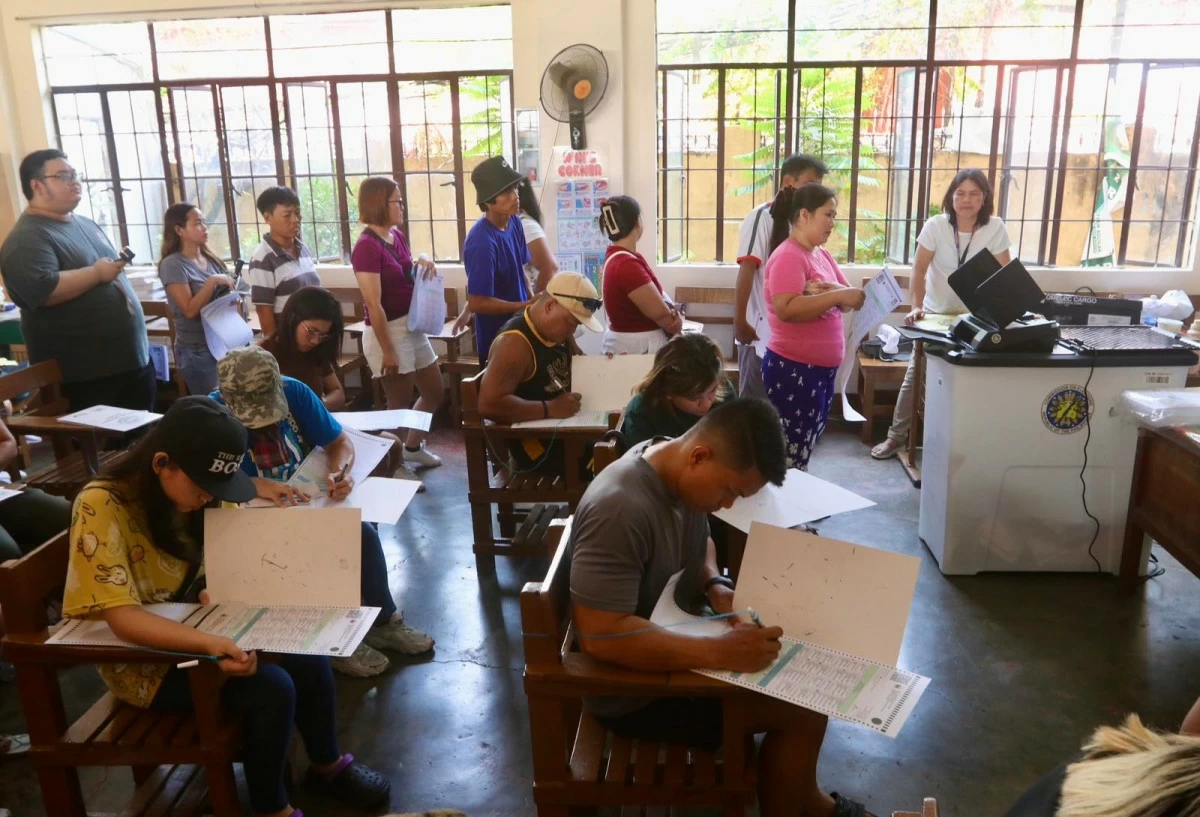
In a statement, Comelec said the issue stemmed from the automated transmission of data by the Automated Counting Machines (ACMs) to the transparency servers of media organizations and accredited citizens’ arms such as the Parish Pastoral Council for Responsible Voting (PPCRV) and the National Citizens’ Movement for Free Elections (NAMFREL).
These transparency servers later published the data on their respective websites.
Comelec Chairman George Erwin Garcia explained that although all transparency servers receive encrypted, machine-readable election returns in real time, only the Comelec Central Server has the capability to automatically convert this information into human-readable data.
According to Comelec, discrepancies observed in the vote counts published by other entities were the result of repeated inclusion of previously transmitted election returns. This happened because earlier data were sometimes bundled again with newly transmitted returns, causing duplication in the displayed results. These overlaps led to public speculation and suspicions of vote-padding or shaving—locally known as “dagdag-bawas.”
Comelec firmly denied these allegations, attributing the inconsistencies to the way third-party groups process and convert machine-readable data into human-readable formats. These conversion processes take time and are not always synchronized, resulting in delays and temporary irregularities in the published results.
“In each transmission cycle, earlier data must be processed and published before new data can be handled, which contributed to the delays,” Garcia said.
“However, the Comelec Transmission Group has already acted on the matter, and the system is now capable of handling multiple batches of incoming data simultaneously,” he added.
The poll body emphasized that the Comelec’s official website did not experience these issues and has displayed accurate and consistent data. It also clarified that while transparency servers provide real-time updates, only the Certificates of Canvass (COCs) issued by municipal, city, district, and provincial boards of canvassers serve as the official basis for election results.
Comelec added that all developments have been openly shared with representatives from PPCRV, NAMFREL, media, and political parties at the Comelec Data Center, stating that "there has been no secrecy or concealment."
The agency also reminded the public that it is prohibited by law from releasing candidate rankings for any national or local position while the results remain unofficial. Only when vote counts are final and official can the Comelec announce the order of candidates based on the total votes received.
The poll body reiterated that all published results are partial and unofficial and encouraged the public to rely on verified sources.
For real-time partial and unofficial results of the May 12, 2025 National and Local Elections, Comelec said that the public can visit: https://2025electionresults.comelec.gov.ph