

ADVERTISEMENT

Late inflammatory response reaction to hyaluronic acid fillers

How this has become a growing concern in cosmetic medicine

Published Sep 9, 2024 03:18 am

At A Glance

  • As we strive to understand and mitigate the risks associated with HA fillers, it is crucial for healthcare providers to stay informed and cautious.
IMG_4163.JPG

In the fast paced world of cosmetic medicine, hyaluronic acid (HA) fillers have secured their place as a popular, non-surgical option for facial rejuvenation. These fillers, celebrated for their ability to restore volume and smooth out wrinkles, are typically lauded for their safety and efficacy. However, a rising concern has come to light within the medical community: the occurrence of Delayed-Onset Inflammatory Reactions (DIRs).


Delayed-onset inflammatory reactions, or DIRs, usually manifest as early as three weeks to months after the initial filler injection. Unlike immediate hypersensitivity reactions, which are often acute and occur within hours, DIRs present later and can be more challenging to predict and manage. Symptoms can range from mild swelling and redness to more severe nodules and abscesses, sometimes causing significant distress to patients.


I.  The Science behind DIRs

Hyaluronic acid is a naturally occurring substance in the human body, primarily found in connective tissues, skin, and eyes. Its role in HA fillers is to provide hydration and elasticity to aging skin. While HA is generally biocompatible, the formulation, cross-linking technologies, and even the presence of impurities in these fillers can sometimes trigger an inflammatory response long after the material has been injected.

The safety of filler treatment depends on several factors, including the injected product, which can cause allergic reactions, late inflammatory responses, and granuloma formation. Additionally, the choice of injection instruments, such as sharp needles and blunt cannulas, plays a crucial role. Injection techniques are also vital, encompassing safety tests (like aspiration), pain prevention, and the injector's anatomical knowledge, as well as the appropriate choice of product characteristics. Moreover, the doctor’s expertise in managing complications significantly contributes to the overall safety of the procedure.


II. Factors contributing to DIRs


Several factors may contribute to the development of DIRs:

1. Immune Response: The body may view the injected HA as a foreign substance, even after months, triggering an immune response.  Certain genetic haplotypes (HLA -B *08 and DRB1*03) seem to be more prone to develop DIRS.

2. Biofilm Formation: Bacteria can form biofilms on the HA particles, creating a persistent, low-grade infection that leads to inflammation.

3. Cross-linking Agents: The chemicals used to stabilize HA in the filler can sometimes be pro-inflammatory.

4. Multiple Filler Types: Patients who have had various types of fillers over time may experience interactions between different substances.  Particles with irregular surfaces are more likely to lead to granulomas. 


III. Moving forward: Best practices

As we strive to understand and mitigate the risks associated with HA fillers, it is crucial for healthcare providers to stay informed and cautious. Best practices include:

1. Informed Consent:  Ensure patients are fully aware of potential risks, including DIRs.

2. Sterile Technique:  Adhere strictly to sterilization protocols to minimize infection risk.

3. Patient History:  Thoroughly review patient history to detect any predispositions to inflammatory reactions.

4. Knowledgeable Provider:  Who uses quality product for each layer of the face and knows the best anatomical technique for injection

5.Prompt Treatment:  Early recognition and intervention can prevent complications.


While HA fillers remain a valuable tool in cosmetic medicine, the emerging issue of Delayed-Onset Inflammatory Reactions cannot be overlooked. To avoid Delayed Inflammatory Reactions (DIRS), it is essential to select the best product, instruments, and techniques tailored to each patient. Through continued research, education, and vigilant clinical practice, we can enhance the safety and effectiveness of these popular treatments, ensuring that beauty does not come at the cost of well-being.


Related Tags

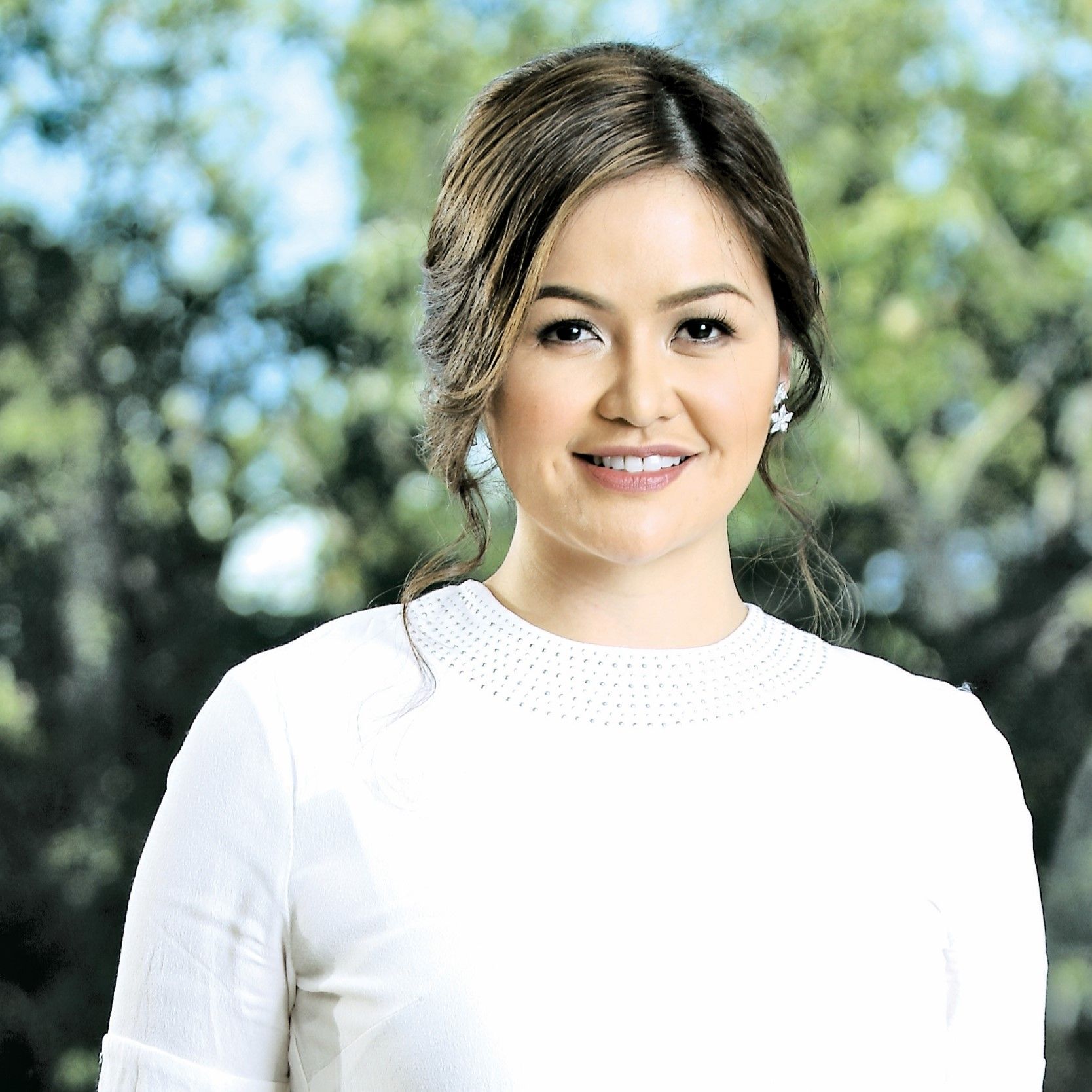
MB Lifestyle Online Dr. Kaycee Reyes Health and Wellbeing
ADVERTISEMENT
.most-popular .layout-ratio{ padding-bottom: 79.13%; } @media (min-width: 768px) and (max-width: 1024px) { .widget-title { font-size: 15px !important; } }

{{ articles_filter_1561_widget.title }}

.most-popular .layout-ratio{ padding-bottom: 79.13%; } @media (min-width: 768px) and (max-width: 1024px) { .widget-title { font-size: 15px !important; } }

{{ articles_filter_1562_widget.title }}

.most-popular .layout-ratio{ padding-bottom: 79.13%; } @media (min-width: 768px) and (max-width: 1024px) { .widget-title { font-size: 15px !important; } }

{{ articles_filter_1563_widget.title }}

{{ articles_filter_1564_widget.title }}

.mb-article-details { position: relative; } .mb-article-details .article-body-preview, .mb-article-details .article-body-summary{ font-size: 17px; line-height: 30px; font-family: "Libre Caslon Text", serif; color: #000; } .mb-article-details .article-body-preview iframe , .mb-article-details .article-body-summary iframe{ width: 100%; margin: auto; } .read-more-background { background: linear-gradient(180deg, color(display-p3 1.000 1.000 1.000 / 0) 13.75%, color(display-p3 1.000 1.000 1.000 / 0.8) 30.79%, color(display-p3 1.000 1.000 1.000) 72.5%); position: absolute; height: 200px; width: 100%; bottom: 0; display: flex; justify-content: center; align-items: center; padding: 0; } .read-more-background a{ color: #000; } .read-more-btn { padding: 17px 45px; font-family: Inter; font-weight: 700; font-size: 18px; line-height: 16px; text-align: center; vertical-align: middle; border: 1px solid black; background-color: white; } .hidden { display: none; }
function initializeAllSwipers() { // Get all hidden inputs with cms_article_id document.querySelectorAll('[id^="cms_article_id_"]').forEach(function (input) { const cmsArticleId = input.value; const articleSelector = '#article-' + cmsArticleId + ' .body_images'; const swiperElement = document.querySelector(articleSelector); if (swiperElement && !swiperElement.classList.contains('swiper-initialized')) { new Swiper(articleSelector, { loop: true, pagination: false, navigation: { nextEl: '#article-' + cmsArticleId + ' .swiper-button-next', prevEl: '#article-' + cmsArticleId + ' .swiper-button-prev', }, }); } }); } setTimeout(initializeAllSwipers, 3000); const intersectionObserver = new IntersectionObserver( (entries) => { entries.forEach((entry) => { if (entry.isIntersecting) { const newUrl = entry.target.getAttribute("data-url"); if (newUrl) { history.pushState(null, null, newUrl); let article = entry.target; // Extract metadata const author = article.querySelector('.author-section').textContent.replace('By', '').trim(); const section = article.querySelector('.section-info ').textContent.replace(' ', ' '); const title = article.querySelector('.article-title h1').textContent; // Parse URL for Chartbeat path format const parsedUrl = new URL(newUrl, window.location.origin); const cleanUrl = parsedUrl.host + parsedUrl.pathname; // Update Chartbeat configuration if (typeof window._sf_async_config !== 'undefined') { window._sf_async_config.path = cleanUrl; window._sf_async_config.sections = section; window._sf_async_config.authors = author; } // Track virtual page view with Chartbeat if (typeof pSUPERFLY !== 'undefined' && typeof pSUPERFLY.virtualPage === 'function') { try { pSUPERFLY.virtualPage({ path: cleanUrl, title: title, sections: section, authors: author }); } catch (error) { console.error('ping error', error); } } // Optional: Update document title if (title && title !== document.title) { document.title = title; } } } }); }, { threshold: 0.1 } ); function showArticleBody(button) { const article = button.closest("article"); const summary = article.querySelector(".article-body-summary"); const body = article.querySelector(".article-body-preview"); const readMoreSection = article.querySelector(".read-more-background"); // Hide summary and read-more section summary.style.display = "none"; readMoreSection.style.display = "none"; // Show the full article body body.classList.remove("hidden"); } document.addEventListener("DOMContentLoaded", () => { let loadCount = 0; // Track how many times articles are loaded const offset = [1, 2, 3, 4, 5, 6, 7, 8, 9, 10]; // Offset values const currentUrl = window.location.pathname.substring(1); let isLoading = false; // Prevent multiple calls if (!currentUrl) { console.log("Current URL is invalid."); return; } const sentinel = document.getElementById("load-more-sentinel"); if (!sentinel) { console.log("Sentinel element not found."); return; } function isSentinelVisible() { const rect = sentinel.getBoundingClientRect(); return ( rect.top < window.innerHeight && rect.bottom >= 0 ); } function onScroll() { if (isLoading) return; if (isSentinelVisible()) { if (loadCount >= offset.length) { console.log("Maximum load attempts reached."); window.removeEventListener("scroll", onScroll); return; } isLoading = true; const currentOffset = offset[loadCount]; window.loadMoreItems().then(() => { let article = document.querySelector('#widget_1690 > div:nth-last-of-type(2) article'); intersectionObserver.observe(article) loadCount++; }).catch(error => { console.error("Error loading more items:", error); }).finally(() => { isLoading = false; }); } } window.addEventListener("scroll", onScroll); });

Sign up by email to receive news.