







Hurdling PH urban housing challenge: Forward pathways


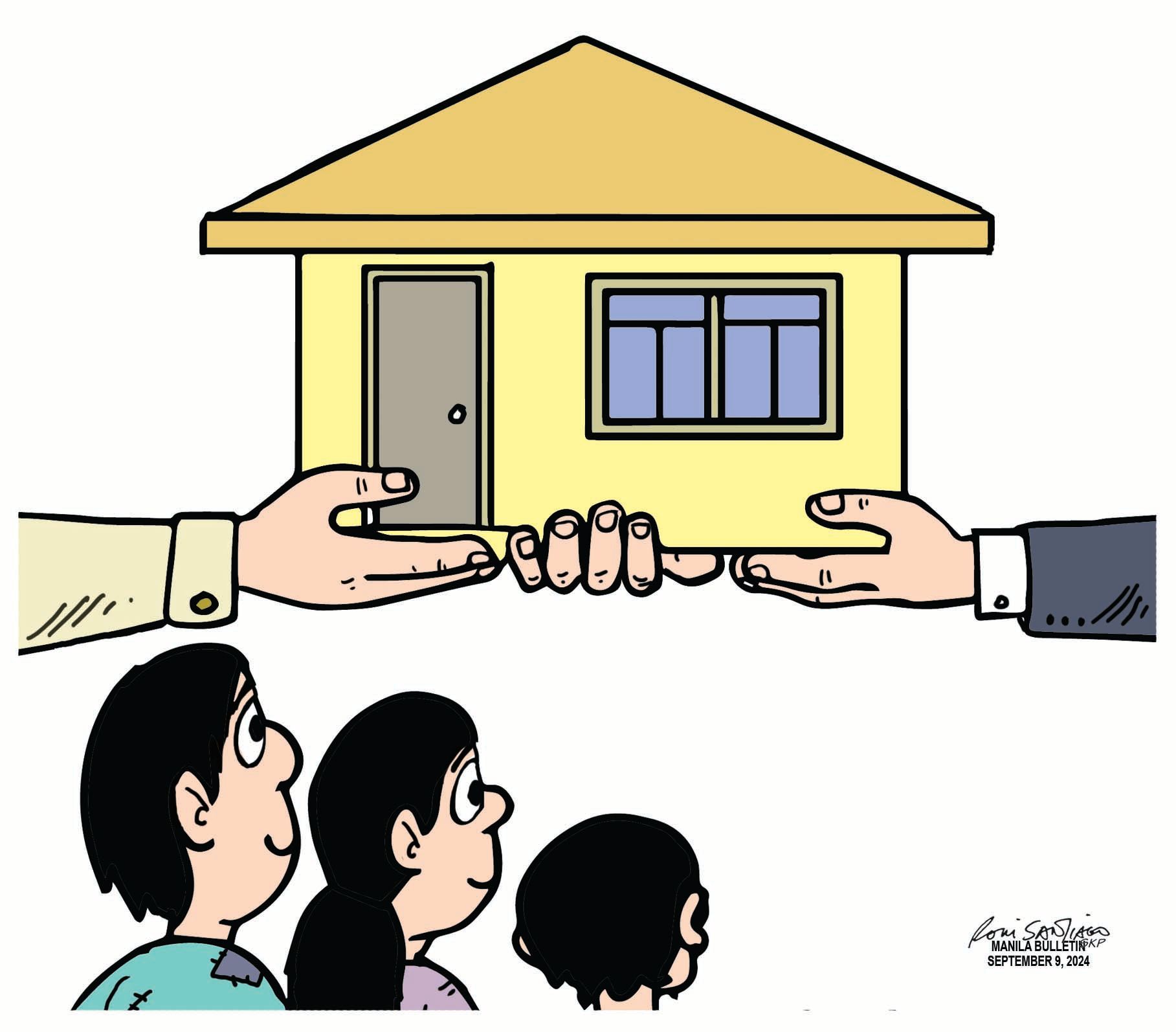
The Department of Human Settlements and Urban Development (DHSUD) recently scaled back its targets for mass housing projects due to lack of available idle lands and the construction period itself, as disclosed by Secretary Jose Rizalino Acuzar in a congressional hearing. This development is emblematic of the challenges in the attainment of Ambisyon 2040, the 25-year plan which envisions a middle-class society where every Filipino enjoys a comfortable life, including adequate housing.
Firmly focused on uplifting the urban poor informal settlers, who are barely able to make ends meet, President Ferdinand R. Marcos Jr. approved last month a sovereign guarantee for the flagship national housing program of his administration, the Pambansang Pabahay para sa Pilipino Housing (4PH) program. Secretary Acuzar described this as a “game changer” in the government’s drive to clear the urban housing backlog, estimated at over 6 million units, with rapid urban migration exacerbating the issue.
Global best practices in affordable housing offer valuable lessons that can be adapted to the Philippine context.
One of the most effective strategies used globally to address urban housing shortages is leveraging Public-Private Partnerships (PPP). In India, for example, the government launched the Housing for All initiative that brought together various stakeholders—government, private developers, financial institutions, and civil society. By offering developers incentives such as land, tax holidays, and relaxed regulations, the private sector was encouraged to invest in affordable housing. The DHSUD is already geared to serving as the central hub to coordinate such partnerships.
The role of local governments is also crucial in this regard. Many local government units (LGUs) have access to land that could be repurposed for social housing. Through joint ventures or land-sharing agreements, LGUs can provide the land, while private developers bring in the capital and expertise.
Housing finance remains a vital concern, but global innovations in microfinancing, co-operative housing models, and rent-to-own schemes offer solutions that could be applied here. The National Housing Authority (NHA), Pag-IBIG, and private financial institutions could develop more inclusive financing programs tailored for low-income families. For instance, Kenya’s use of pension funds for affordable housing is worth emulating. A similar model could be explored in the Philippines, where Pag-IBIG contributions could be tapped into to provide more substantial loans at lower interest rates.
Urban renewal programs in countries like Brazil and South Africa have successfully revitalized entire districts while providing social housing for low-income residents. The Philippines can pursue a similar strategy by encouraging the redevelopment of old buildings and government properties for mixed-use housing. This approach reduces the need for massive relocation of urban poor populations, allowing them to stay within proximity to economic centers.
Finally, any housing strategy must prioritize sustainability. The Philippines is vulnerable to natural disasters, and climate-resilient housing is the appropriate response. Green building technologies and disaster-resilient construction methods should be incentivized.
A holistic approach, built on collaboration between government, private sector, and civil society, is key to creating inclusive, affordable, and resilient housing for all Filipinos.