

ADVERTISEMENT

This breakthrough treatment gives you a facelift and contour without surgery

A revolutionizing new technology for hyaluronic acid fillers

Published Aug 12, 2024 04:45 am

At A Glance

  • By targeting different layers, the face appears naturally rejuvenated without an artificial or overdone look.

SKINVESTING
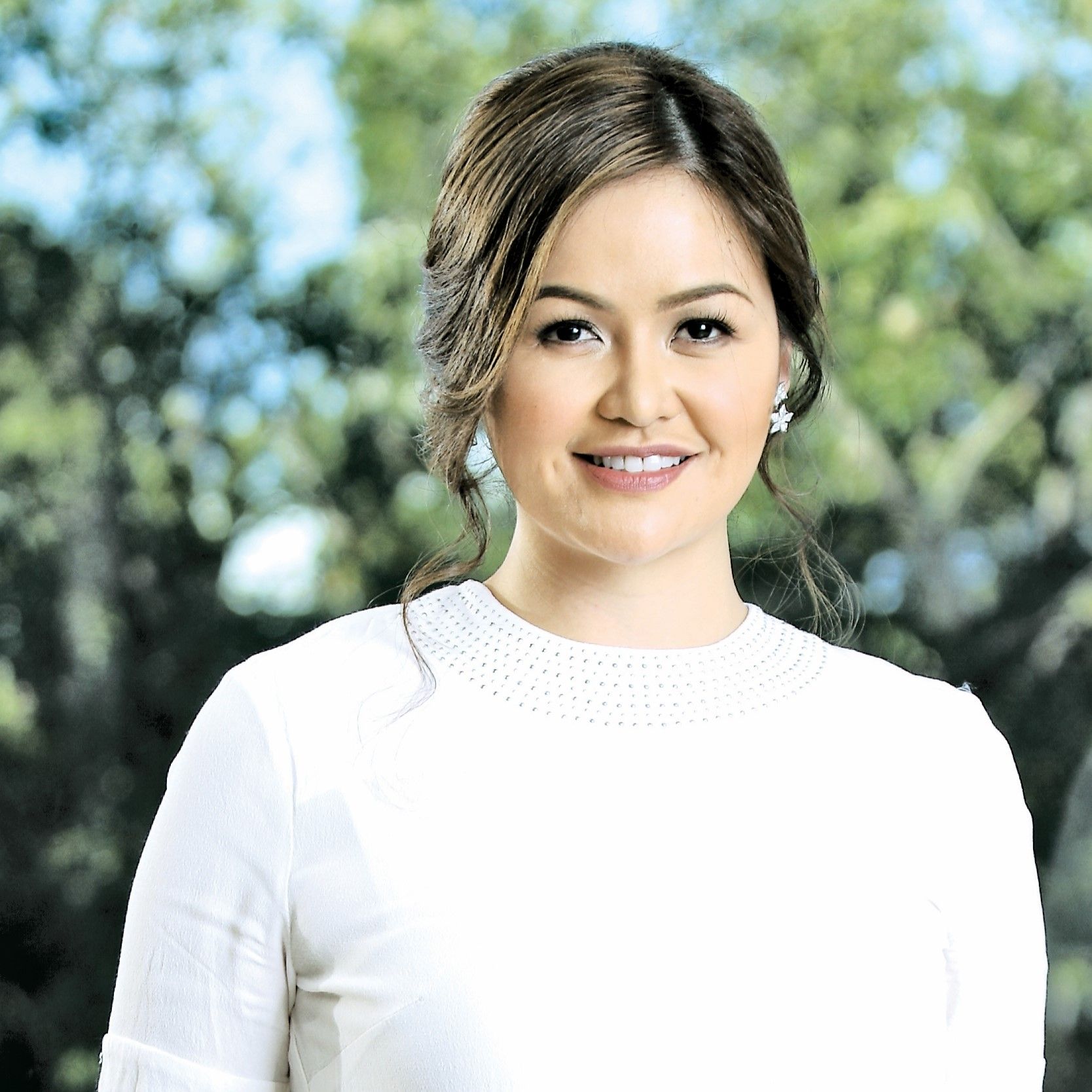
IMG_4163.JPG

Teoxane Laboratories, a Swiss company renowned for its cutting-edge research and development in aesthetic medicine, has just introduced the Teoxane Glowing Lift. This innovative treatment aims to restore youthful radiance and lift the facial contours without the need for invasive procedures.

This procedure promises to be a comprehensive solution that combines the firming and lifting effects of their patented HA formulation with powerful antioxidants and amino acids. This synergy ensures optimal hydration and revitalization, resulting in a natural, glowing appearance.

Multilayering technique: Precision in practice
The multilayering technique in HA filler application is a significant breakthrough, offering natural and balanced results. Traditional filler methods usually inject the filler into a single skin layer. In contrast, the multilayering approach involves carefully placing small amounts of filler into various skin layers. Here’s why this technique is remarkable:

Enhanced volume and contour:  By targeting different skin layers, practitioners can sculpt more precise contours and volumize specific areas effectively.
Improved longevity:  HA fillers degrade gradually, making the effects last longer and look more consistent over time.
Natural look:  Multilayering integrates seamlessly with your skin, preventing that “overdone” appearance that single-layer injections can sometimes cause.

How does it work?

Foundation and lift:  Start with RHA 4 or Ultra Deep at deep fat pads to create a strong foundation and provide the primary lifting effect. This addresses sagging and major volume loss.
Subtle contours:  Use RHA 3 in the superficial fat pads to add nuanced volume and ensure a natural transition between lifted areas. This smoothens moderate wrinkles and complements the deep structural changes.
Surface perfection:  Apply RHA 1 and Redensity 1 to the upper dermis to improve the overall texture, hydration, and fine lines' appearance. This ensures the skin at the surface looks as youthful and rejuvenated as the underlying structure.

Advantages of the multilayered approach
Holistic rejuvenation:  Addresses volume loss, lifts sagging skin, and enhances surface texture simultaneously.
Natural appearance:  By targeting different layers, the face appears naturally rejuvenated without an artificial or overdone look.
Tailored results:  Offers precision in targeting specific problem areas, ensuring that every layer of the skin gets the appropriate treatment.

The science behind the glow
The HA in Teoxane’s formulation has an ideal rheology, providing a perfect balance of viscosity and elasticity. This ensures that the filler remains pliable yet firm, adapting to facial movements and maintaining a natural look.
Also, the antioxidants and amino acids in the Glowing Lift serve multiple roles, from neutralizing free radicals to stimulating collagen production. These elements work synergistically to repair and regenerate the skin, providing not just an immediate lifting effect but also long-term benefits in terms of skin quality and elasticity.

The future of facial rejuvenation
As the demand for non-invasive aesthetic treatments continues to rise in the Philippines, the Teoxane Glowing Lift and the multilayering technique are poised to become go-to solutions for those seeking subtle yet effective rejuvenation.
This multilayered technique offers a comprehensive approach to facial rejuvenation, combining deep lifting and structural support with superficial enhancement and skin quality improvement. It should be performed by a highly skilled aesthetic practitioner to ensure precision and natural-looking results. Always consult with a qualified professional to discuss your specific needs and treatment goals.


Related Tags

MB Lifestyle Online Dr. Kaycee Reyes Health and Wellbeing
ADVERTISEMENT
.most-popular .layout-ratio{ padding-bottom: 79.13%; } @media (min-width: 768px) and (max-width: 1024px) { .widget-title { font-size: 15px !important; } }

{{ articles_filter_1561_widget.title }}

.most-popular .layout-ratio{ padding-bottom: 79.13%; } @media (min-width: 768px) and (max-width: 1024px) { .widget-title { font-size: 15px !important; } }

{{ articles_filter_1562_widget.title }}

.most-popular .layout-ratio{ padding-bottom: 79.13%; } @media (min-width: 768px) and (max-width: 1024px) { .widget-title { font-size: 15px !important; } }

{{ articles_filter_1563_widget.title }}

{{ articles_filter_1564_widget.title }}

.mb-article-details { position: relative; } .mb-article-details .article-body-preview, .mb-article-details .article-body-summary{ font-size: 17px; line-height: 30px; font-family: "Libre Caslon Text", serif; color: #000; } .mb-article-details .article-body-preview iframe , .mb-article-details .article-body-summary iframe{ width: 100%; margin: auto; } .read-more-background { background: linear-gradient(180deg, color(display-p3 1.000 1.000 1.000 / 0) 13.75%, color(display-p3 1.000 1.000 1.000 / 0.8) 30.79%, color(display-p3 1.000 1.000 1.000) 72.5%); position: absolute; height: 200px; width: 100%; bottom: 0; display: flex; justify-content: center; align-items: center; padding: 0; } .read-more-background a{ color: #000; } .read-more-btn { padding: 17px 45px; font-family: Inter; font-weight: 700; font-size: 18px; line-height: 16px; text-align: center; vertical-align: middle; border: 1px solid black; background-color: white; } .hidden { display: none; }
function initializeAllSwipers() { // Get all hidden inputs with cms_article_id document.querySelectorAll('[id^="cms_article_id_"]').forEach(function (input) { const cmsArticleId = input.value; const articleSelector = '#article-' + cmsArticleId + ' .body_images'; const swiperElement = document.querySelector(articleSelector); if (swiperElement && !swiperElement.classList.contains('swiper-initialized')) { new Swiper(articleSelector, { loop: true, pagination: false, navigation: { nextEl: '#article-' + cmsArticleId + ' .swiper-button-next', prevEl: '#article-' + cmsArticleId + ' .swiper-button-prev', }, }); } }); } setTimeout(initializeAllSwipers, 3000); const intersectionObserver = new IntersectionObserver( (entries) => { entries.forEach((entry) => { if (entry.isIntersecting) { const newUrl = entry.target.getAttribute("data-url"); if (newUrl) { history.pushState(null, null, newUrl); let article = entry.target; // Extract metadata const author = article.querySelector('.author-section').textContent.replace('By', '').trim(); const section = article.querySelector('.section-info ').textContent.replace(' ', ' '); const title = article.querySelector('.article-title h1').textContent; // Parse URL for Chartbeat path format const parsedUrl = new URL(newUrl, window.location.origin); const cleanUrl = parsedUrl.host + parsedUrl.pathname; // Update Chartbeat configuration if (typeof window._sf_async_config !== 'undefined') { window._sf_async_config.path = cleanUrl; window._sf_async_config.sections = section; window._sf_async_config.authors = author; } // Track virtual page view with Chartbeat if (typeof pSUPERFLY !== 'undefined' && typeof pSUPERFLY.virtualPage === 'function') { try { pSUPERFLY.virtualPage({ path: cleanUrl, title: title, sections: section, authors: author }); } catch (error) { console.error('ping error', error); } } // Optional: Update document title if (title && title !== document.title) { document.title = title; } } } }); }, { threshold: 0.1 } ); function showArticleBody(button) { const article = button.closest("article"); const summary = article.querySelector(".article-body-summary"); const body = article.querySelector(".article-body-preview"); const readMoreSection = article.querySelector(".read-more-background"); // Hide summary and read-more section summary.style.display = "none"; readMoreSection.style.display = "none"; // Show the full article body body.classList.remove("hidden"); } document.addEventListener("DOMContentLoaded", () => { let loadCount = 0; // Track how many times articles are loaded const offset = [1, 2, 3, 4, 5, 6, 7, 8, 9, 10]; // Offset values const currentUrl = window.location.pathname.substring(1); let isLoading = false; // Prevent multiple calls if (!currentUrl) { console.log("Current URL is invalid."); return; } const sentinel = document.getElementById("load-more-sentinel"); if (!sentinel) { console.log("Sentinel element not found."); return; } function isSentinelVisible() { const rect = sentinel.getBoundingClientRect(); return ( rect.top < window.innerHeight && rect.bottom >= 0 ); } function onScroll() { if (isLoading) return; if (isSentinelVisible()) { if (loadCount >= offset.length) { console.log("Maximum load attempts reached."); window.removeEventListener("scroll", onScroll); return; } isLoading = true; const currentOffset = offset[loadCount]; window.loadMoreItems().then(() => { let article = document.querySelector('#widget_1690 > div:nth-last-of-type(2) article'); intersectionObserver.observe(article) loadCount++; }).catch(error => { console.error("Error loading more items:", error); }).finally(() => { isLoading = false; }); } } window.addEventListener("scroll", onScroll); });

Sign up by email to receive news.