ADVERTISEMENT

World Password Day: Prioritize your digital gatekeeper

Published May 1, 2024 04:41 pm

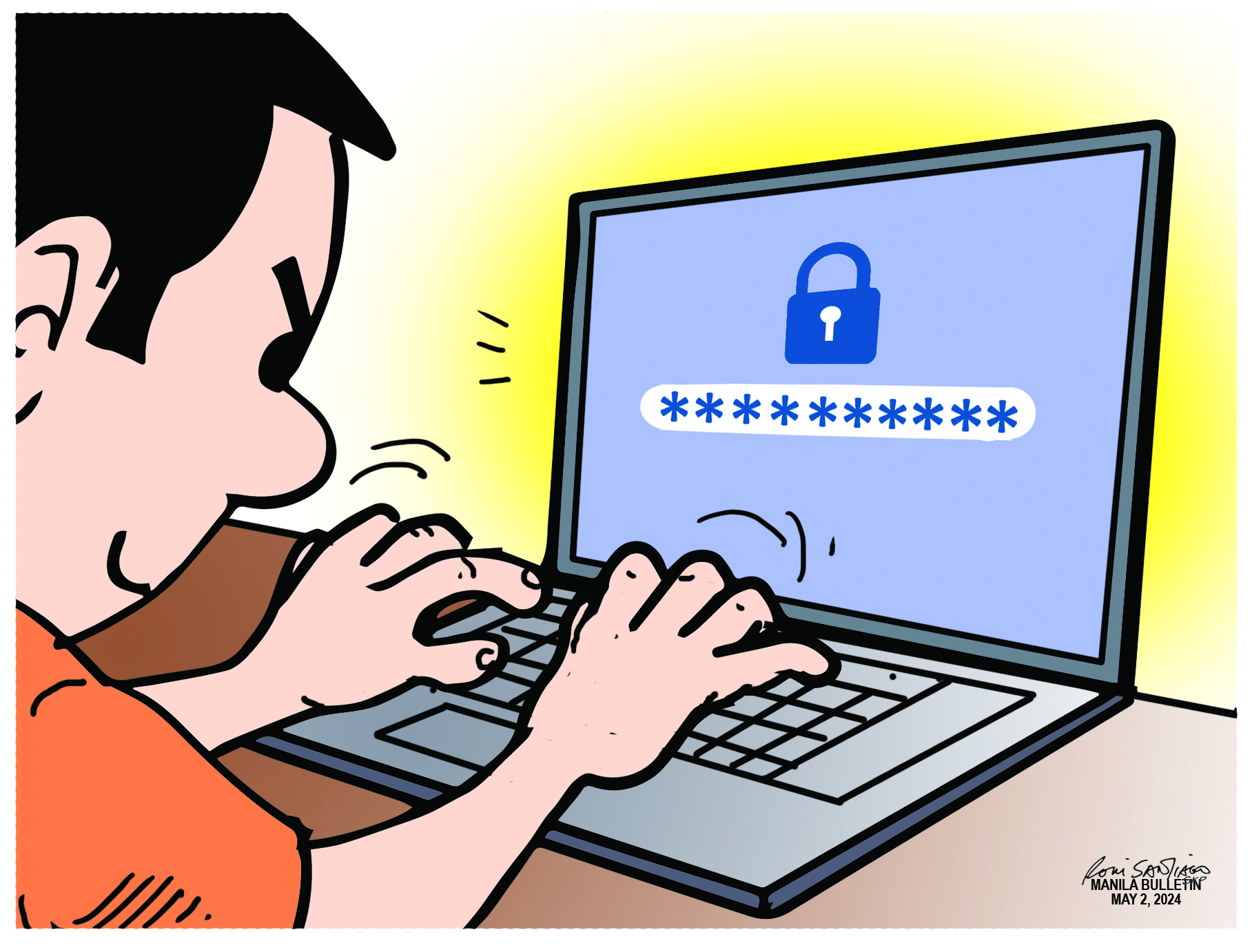
E CARTOON MAY 2, 2024.jpg

Passwords are more important than ever in today's world, where a significant portion of our lives is spent online. They are the keys to our digital lives that secure sensitive information like bank accounts, medical records, and countless other forms of personal data.


To make a habit of changing passwords, a security researcher in 2005 recommended that everyone should have “password days.” Although there is no record of who decided on the date, in 2013, the celebration of World Password Day started on the first Thursday of May.  And it continues today, May 2, 2024, as an important reminder to prioritize password security and understand why strong passwords are the first line of defense in an increasingly connected world.


The average person holds several online accounts, each of which requires a password. Unfortunately, the human tendency to choose convenience over security leads to predictable and easily cracked passwords. Common choices include birthdays, names of loved ones, and simple sequences like "123456" or "password." Hackers are well-versed in these patterns and use sophisticated tools to exploit weak passwords, gaining access to sensitive data with alarming ease.


The consequences of weak passwords can be devastating. Identity theft, financial fraud, and compromised private information can deeply impact individuals and businesses. The fallout can range from financial losses and reputational damage to long-lasting emotional distress.


Around the world, there have been many news reports of how hackers broke the passwords of government and private institutions, political and business leaders, and individuals, causing much damage to operations, financial resources, and reputations. One who has an internet presence, no matter how small, must know of the dangers of weak passwords and hacker activities.
Today, we take time to remind readers to fortify their digital defenses.  How do we start? The answer lies in creating strong, unique passwords and practicing good password hygiene.
First, keep in mind that complexity is key. Use a combination of uppercase and lowercase letters, numbers, and symbols. The longer the password, the better. Aim for at least 12 characters.
Then, avoid the obvious, like incorporating personal information or common dictionary words.


Technology experts always say, have a unique password for every account.  If one account is compromised, the rest remain safe.


Since many don’t trust their memory, it is suggested to have password managers, tools that securely store and generate strong passwords, relieving the need to memorize them all.
Add an extra layer of security by activating two-factor authentication (2FA) when available which requires a code in addition to a password.


Beyond individual responsibility, businesses and organizations have a crucial role to play in safeguarding user data. Implementing strong password policies, enforcing regular password changes, and utilizing robust encryption techniques are essential to mitigating the risks associated with password vulnerabilities.


It's important to recognize that password security is not a one-time fix; it's an ongoing process. Cyber threats are ever-evolving, requiring vigilance. Staying informed about the latest security trends and best practices is essential.


World Password Day is more than just a day on the calendar; it is a call to action. By taking proactive steps to strengthen our passwords, we create a safer digital landscape for ourselves and others.
In the digital age, a strong password is more than just a string of characters – it is a shield protecting our online identities. Let us commit to making password security a top priority.

Related Tags

Editorial Manila Bulletin
ADVERTISEMENT
.most-popular .layout-ratio{ padding-bottom: 79.13%; } @media (min-width: 768px) and (max-width: 1024px) { .widget-title { font-size: 15px !important; } }

{{ articles_filter_1561_widget.title }}

.most-popular .layout-ratio{ padding-bottom: 79.13%; } @media (min-width: 768px) and (max-width: 1024px) { .widget-title { font-size: 15px !important; } }

{{ articles_filter_1562_widget.title }}

.most-popular .layout-ratio{ padding-bottom: 79.13%; } @media (min-width: 768px) and (max-width: 1024px) { .widget-title { font-size: 15px !important; } }

{{ articles_filter_1563_widget.title }}

{{ articles_filter_1564_widget.title }}

.mb-article-details { position: relative; } .mb-article-details .article-body-preview, .mb-article-details .article-body-summary{ font-size: 17px; line-height: 30px; font-family: "Libre Caslon Text", serif; color: #000; } .mb-article-details .article-body-preview iframe , .mb-article-details .article-body-summary iframe{ width: 100%; margin: auto; } .read-more-background { background: linear-gradient(180deg, color(display-p3 1.000 1.000 1.000 / 0) 13.75%, color(display-p3 1.000 1.000 1.000 / 0.8) 30.79%, color(display-p3 1.000 1.000 1.000) 72.5%); position: absolute; height: 200px; width: 100%; bottom: 0; display: flex; justify-content: center; align-items: center; padding: 0; } .read-more-background a{ color: #000; } .read-more-btn { padding: 17px 45px; font-family: Inter; font-weight: 700; font-size: 18px; line-height: 16px; text-align: center; vertical-align: middle; border: 1px solid black; background-color: white; } .hidden { display: none; }
function initializeAllSwipers() { // Get all hidden inputs with cms_article_id document.querySelectorAll('[id^="cms_article_id_"]').forEach(function (input) { const cmsArticleId = input.value; const articleSelector = '#article-' + cmsArticleId + ' .body_images'; const swiperElement = document.querySelector(articleSelector); if (swiperElement && !swiperElement.classList.contains('swiper-initialized')) { new Swiper(articleSelector, { loop: true, pagination: false, navigation: { nextEl: '#article-' + cmsArticleId + ' .swiper-button-next', prevEl: '#article-' + cmsArticleId + ' .swiper-button-prev', }, }); } }); } setTimeout(initializeAllSwipers, 3000); const intersectionObserver = new IntersectionObserver( (entries) => { entries.forEach((entry) => { if (entry.isIntersecting) { const newUrl = entry.target.getAttribute("data-url"); if (newUrl) { history.pushState(null, null, newUrl); let article = entry.target; // Extract metadata const author = article.querySelector('.author-section').textContent.replace('By', '').trim(); const section = article.querySelector('.section-info ').textContent.replace(' ', ' '); const title = article.querySelector('.article-title h1').textContent; // Parse URL for Chartbeat path format const parsedUrl = new URL(newUrl, window.location.origin); const cleanUrl = parsedUrl.host + parsedUrl.pathname; // Update Chartbeat configuration if (typeof window._sf_async_config !== 'undefined') { window._sf_async_config.path = cleanUrl; window._sf_async_config.sections = section; window._sf_async_config.authors = author; } // Track virtual page view with Chartbeat if (typeof pSUPERFLY !== 'undefined' && typeof pSUPERFLY.virtualPage === 'function') { try { pSUPERFLY.virtualPage({ path: cleanUrl, title: title, sections: section, authors: author }); } catch (error) { console.error('ping error', error); } } // Optional: Update document title if (title && title !== document.title) { document.title = title; } } } }); }, { threshold: 0.1 } ); function showArticleBody(button) { const article = button.closest("article"); const summary = article.querySelector(".article-body-summary"); const body = article.querySelector(".article-body-preview"); const readMoreSection = article.querySelector(".read-more-background"); // Hide summary and read-more section summary.style.display = "none"; readMoreSection.style.display = "none"; // Show the full article body body.classList.remove("hidden"); } document.addEventListener("DOMContentLoaded", () => { let loadCount = 0; // Track how many times articles are loaded const offset = [1, 2, 3, 4, 5, 6, 7, 8, 9, 10]; // Offset values const currentUrl = window.location.pathname.substring(1); let isLoading = false; // Prevent multiple calls if (!currentUrl) { console.log("Current URL is invalid."); return; } const sentinel = document.getElementById("load-more-sentinel"); if (!sentinel) { console.log("Sentinel element not found."); return; } function isSentinelVisible() { const rect = sentinel.getBoundingClientRect(); return ( rect.top < window.innerHeight && rect.bottom >= 0 ); } function onScroll() { if (isLoading) return; if (isSentinelVisible()) { if (loadCount >= offset.length) { console.log("Maximum load attempts reached."); window.removeEventListener("scroll", onScroll); return; } isLoading = true; const currentOffset = offset[loadCount]; window.loadMoreItems().then(() => { let article = document.querySelector('#widget_1690 > div:nth-last-of-type(2) article'); intersectionObserver.observe(article) loadCount++; }).catch(error => { console.error("Error loading more items:", error); }).finally(() => { isLoading = false; }); } } window.addEventListener("scroll", onScroll); });

Sign up by email to receive news.