







Cagayan is an explorer's paradise
Have a little of everything on your first visit
By MB Lifestyle


by JINGGOY SALVADOR
Cagayan Province—what pops to mind? The Sierra Madre Mountain Range, the fossils of the earliest man in the Philippines, the Callao Cave. Believe it or not, all three are connected. The Callao Cave is one of the many caverns of Sierra Madre Mountains, the country’s longest mountain range, and discovered there were Homo luzonensis relics. With history, geology, and archeology intertwined in a single spot, these are good reasons to get you on the plane to this destination.
But there’s more. Cagayan is an explorer’s paradise. With a vast land bordered by mountains and sea blessed with nature’s wonders, Cagayan is loaded with endless fun and adventure on land (and inside it) and water (and under it). There are kilometers of beaches to comb, extensive underwater scenes to marvel on, countless lakes, rivers and waterfalls to enjoy, acres of valleys, mountains, and verdant forests to trek and hundreds of caves to explore. It also has its fair share of old churches and the cuisine is as exciting. With so much to see and do in this Northern province, how long should one’s visit to Cagayan be? The answer is, how much have you got, because a short one just won’t cut it.
What kind of Cagayan Province traveler are you?
On the first visit, be the pious one, the sun worshipper, or the adrenaline junkie. Have a little of everything Cagayan has to offer. Go to a famous cave, a pilgrimage site, a far-off beach, an island with views perfect for
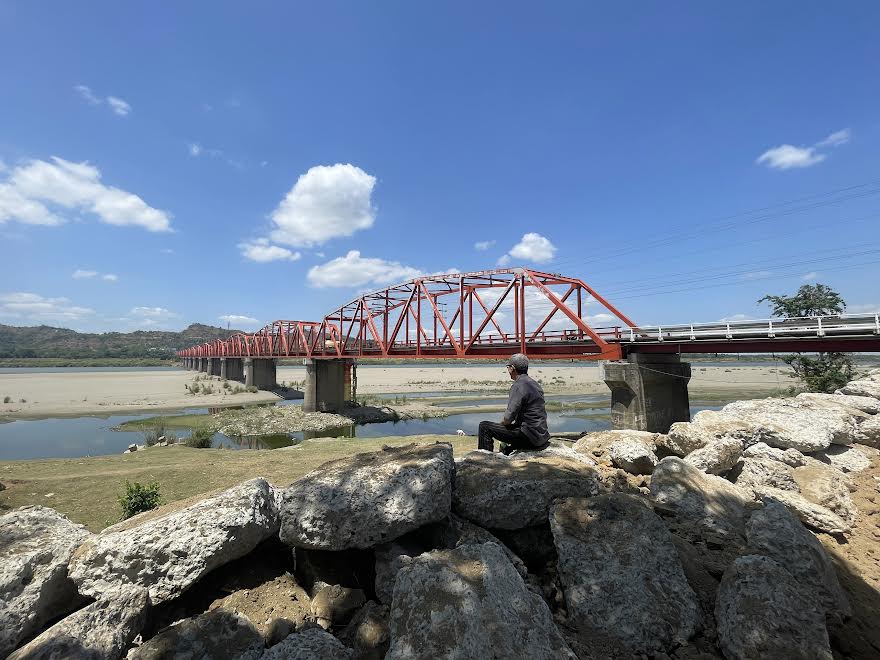
movie settings, a lagoon, river, and canyon with waterways that meander through the famed Cagayan River, the largest and longest river in the country, and cross the bridge over it, also the longest in the past, and mingle with the locals. Then pick out your choice of adventure so you’d know exactly where you’ll be exploring more on the succeeding visits.
By air travel, Tuguegarao is the gateway to all the province’s attractions. From Davao down South (or Cebu, Bacolod, and Iloilo) to the Cagayan capital city up North via Manila, the trip is seamless with Philippine Airlines. With the connection and the ease of it, the bucket listed sites are not too far away. Leave early morning, from wherever you are, and you’re at the destination by midday, just in time for brunch and a hearty meal of the iconic Tuguegarao Pancit Batil Patong. The dish is whipped up with freshly made noodles topped with savory meat, vegetables, and sunny side up egg, all served with a side of rich egg soup. Native coffee plus the glutinous rice local delicacies of Pawa, Sinabalu, Sumanlatik, Tupig, and Patupat, make ideal meal enders (and merienda, too). You need to load up on the carbs anyway for an adventure-filled, calorie-burning time ahead of you.
While in Tuguegarao, a quick stop at the Cagayan Museum and Historical Research Center can give you a picture of the province’s storied past, including the country’s earliest inhabitants, up to the present. Head off to your adventure with added knowledge about the province, But to have a more in-depth understanding of each destination, have an accredited Department of Tourism tour guide. It’s worth it.
About 24 kilometers from the capital city, in the municipality of Peñablanca, is the postcard-perfect image of Cagayan tourism, the Callao Cave. It’s recognized as an important cultural property of the Philippines, one of more than 300 caves in the vicinity of Peñablanca Protected Landscape and Seascape in the western foothills of the Northern Sierra Madre Mountains, and home to Ubag (Homo luzonensis), fossils of the the country’s earliest inhabitants.
Spelunkers will rejoice delving into the cool depths of chambers adorned with nature’s handiworks. Stalactites, stalagmites and various limestone formations— the massive columns, skeleton, elephant, praying angel, rocket, lion, dog, plus the famed cavern transformed into a chapel illuminated by rays from heaven through a natural skylight.
Before the sun sets, paddle through the calm waters of the Pinacanauan River adjacent to the Callao Cave. Here, you can catch the colonies of bats flying out of a cliff opening. Stop for a picnic on a rocky formation at the lake’s end, it’s a perfect spot to enjoy the breathtaking views changing hues as the moon rises.
A visit to the past
In the town of Piat, about 44 kilometers east of Tuguegarao City, is home to the venerated Apo Baket, the “beacon of charity and hope among the locals and devotees.” The image of the black Madonna traveled from Macau in 1604 to the town of Lal-lo
and finally in Piat in 1616, where the centuries-old image is enshrined at the Basilica Minore of Our Lady of Piat, a pilgrimage site, which gets busy during festival season. Devotees attest to the miracles Apo Baket has granted.
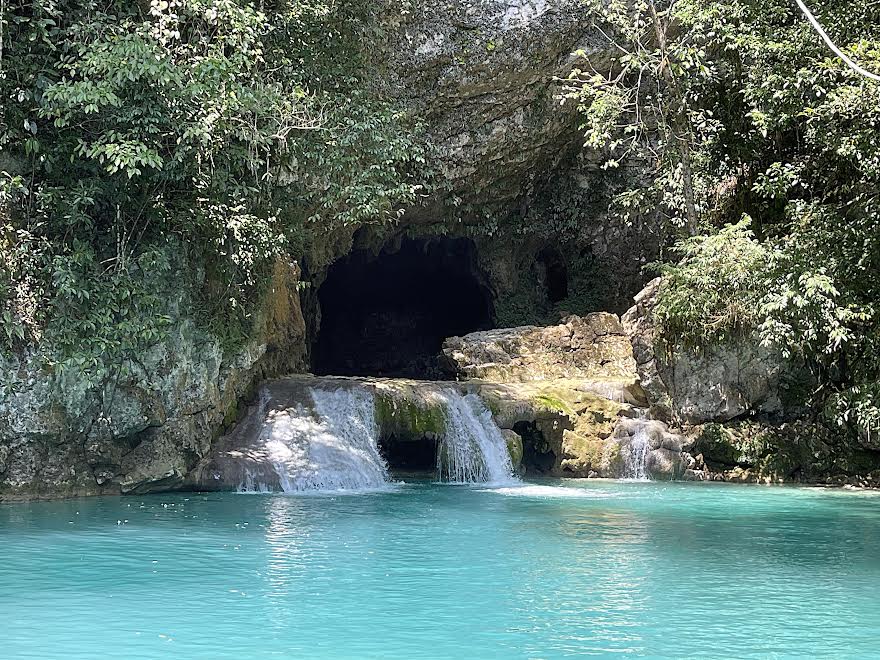
An adrenaline-packed adventure awaits at Baggao, about 60 kilometers south of Tuguegarao. Along canyons and gorges are raging rapids, waterfalls, placid pools, hot springs, and cave systems. Within dense forests are surreal spots like the Bluewater Lagoon, Falls, and Cave and, nearby, the Lipit Canyon. Theseare just two of many which make for ideal cinematic backdrops.
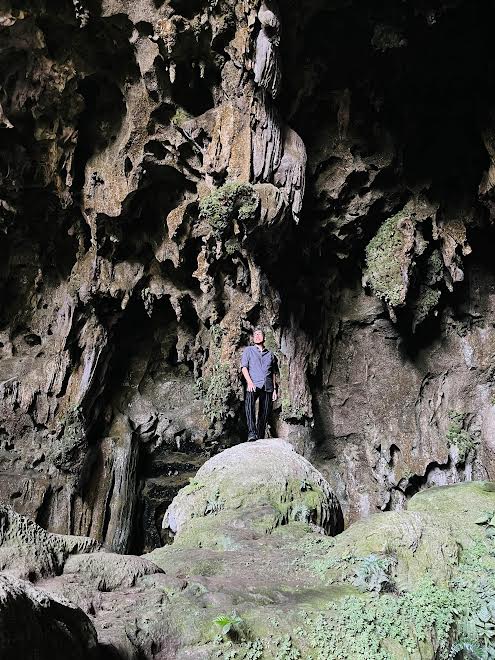
Named after the water’s hue, the Bluewater feat kicks off with a river trek upstream along 20 multi-tiered small cascades, rapids, and shallow waters to the end point, where the lagoon is. Dive into the cool turquoise water for a refreshing dip. The mouth of the cave at the pool’s end invites you to probe into the cavern’s belly, where an “Olympic-sized” pool awaits. Deeper into the six-kilometer intricate labyrinth are more waterfalls, streams, and sumps.
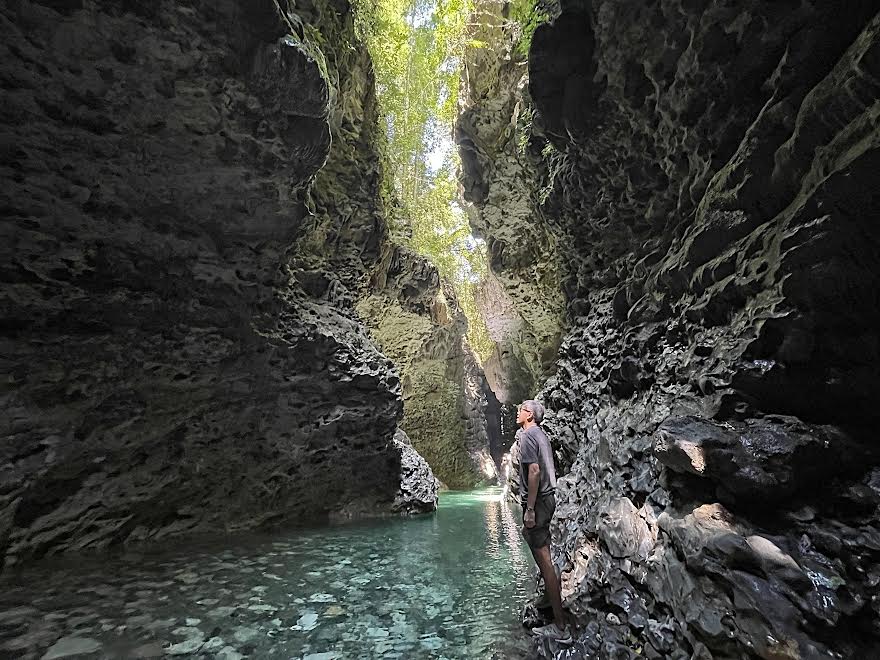
Steps away is an adventure on calmer water. The Lipit Canyon is believed to be a cave with an underground river in the past because of the flow beds and stalactite formations on both walls of the gorge. On a raft, traversing the cool, calm, and peaceful setting is almost dreamlike. Lipit Canyon lures you for a dip in its cool waterway but it also beckons the more daring to rappel or cliff jump.
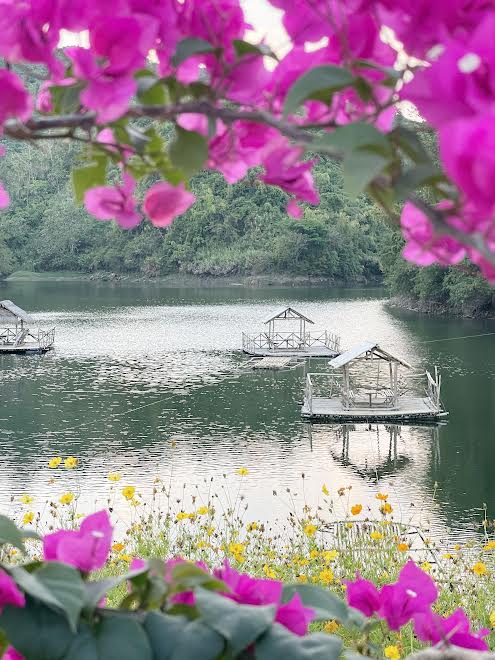
In Alcala, 36 kilometers from the capital, the town ingeniously fuses tourism with its Small Water Impounding Projects, reservoirs meant for farm irrigation and flood control. The 12 sites double as recreation areas for picnics, boating, and fishing. It joins the list of the town’s major attractions like the 19th-century St. Philomene Parish Church and the Ponce ancestral house.
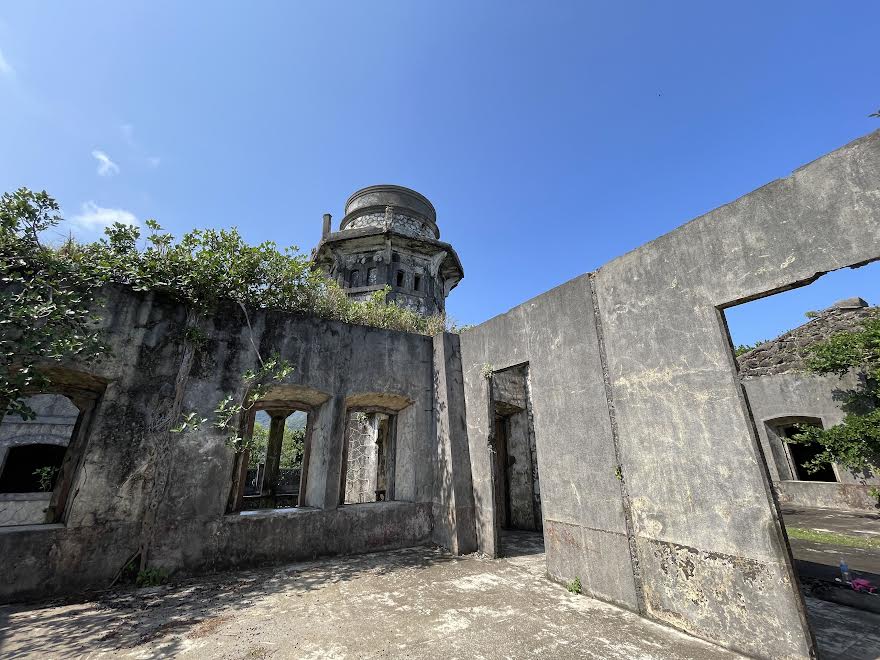
Lal-lo, aka Ciudad de Nueva Segovia in the past, is 80 kilometers south of Tuguegarao. It was the former capital of Cagayan during the Spanish colonial era. Two churches, one in ruins and the other standing, are notable in this town. Tocolano Ruins, recognized for its historical and cultural significance, was a church built in the 17th century that was never restored after several calamities, and the Sto. Domingo Parish Church, built in 1596 and today a national landmark, was home to the black Madonna before it was moved to its current location in Piat.
An adventure like no other
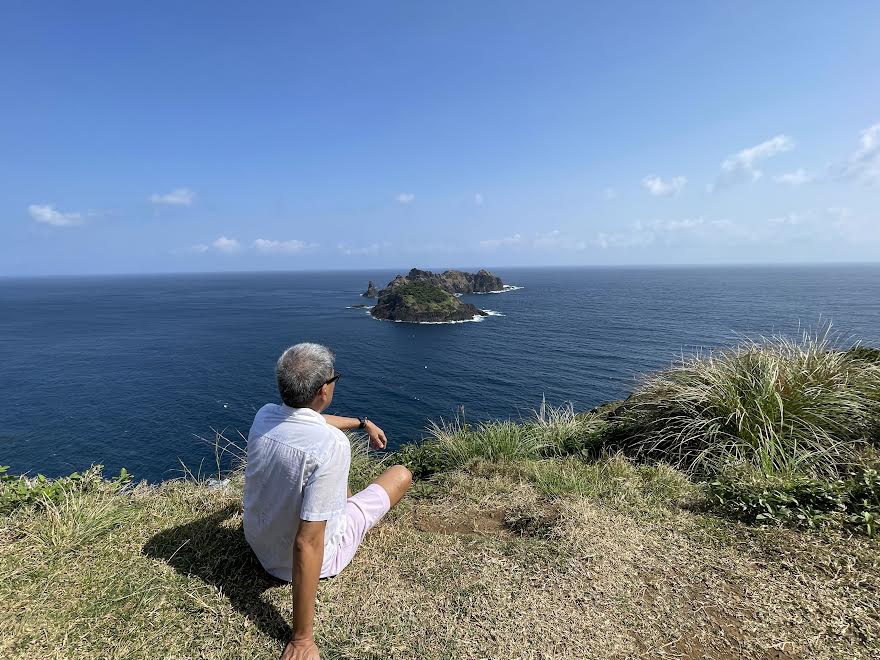
Sta. Ana, a coastal town 147 kilometers from Tuguegarao and bordered by the Babuyan Channel and Pacific Ocean, has islands and beaches as its allure. The must-visit place? Palaui Island’s Cape Engaño Lighthouse. It may be an hour’s trip on bangka (motorized boat) from San Vicente port but the reward is great. The scenery at Cape’s summit, a short trek from the shoreline, is captivating! The century-old, 11-meter- high lighthouse still lights up (now solar-powered) and stands tall with- in the weathered structures of the compound, and the 360-view of the area captures breathtaking views of the island’s cove and Dos Hermanos Islands.
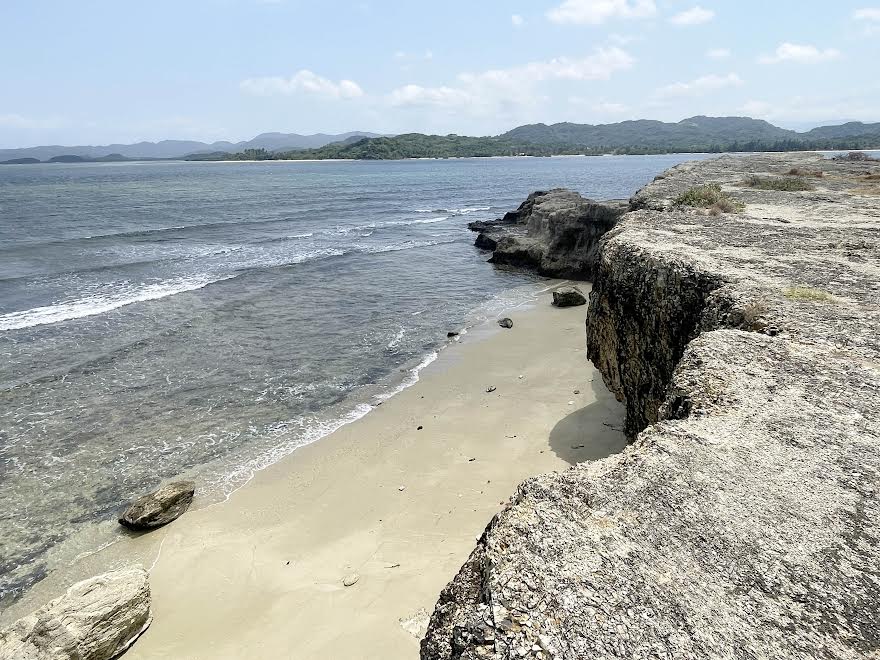
Make a quick stop at Crocodile Island on the way back to port. It may be named after its shape but surprisingly, it also bears a crocodile scale-like feature on its rock formation. Beyond its uniqueness, the islet serves as a natural barrier from the Pacific Ocean’s swelling waves entering the narrow strait leading to the main island.
Crabs for entree? It’s normal in this town. For the gastronomes, a two-hour trip,106 kilometers from Tuguegarao, is nothing compared to the seafood delights Buguey town has to offer. Buguey is the Crab and Malaga Capital of North Luzon and celebrates a week-long Crab Festival in May. Aside from crab farms, the town’s rich mangrove ecosystem plus a 14-kilometer stretch of clean river allows crabs, shrimps, oysters, and fish to thrive. Forget your diet when you’re visiting this town.
Visited in three days: eight towns and a couple of attractions per town is just a scratch on Cagayan’s surface. Imagine this: Tthe province consists of 28 municipalities, each with its own unique char- acter, history, cuisine, and lots of attractions. So let me ask you again, how many days can you spare to visit?
Truly, Cagayan is an explorer’s paradise where fun is endless. The Cagayan Tourism Office can direct you to the must-visit spots and help you plan your adventure of choice.