

ADVERTISEMENT

Textile waste gives hope to female Persons Deprived of Liberty

And all because this trio of designers have found a way to divert hotel textiles from ending up in landfills

Published Apr 10, 2024 08:04 am

The textile industry is the second-largest polluting sector worldwide. In the US alone, approximately 10 million tons of bedsheets end up in landfills annually.

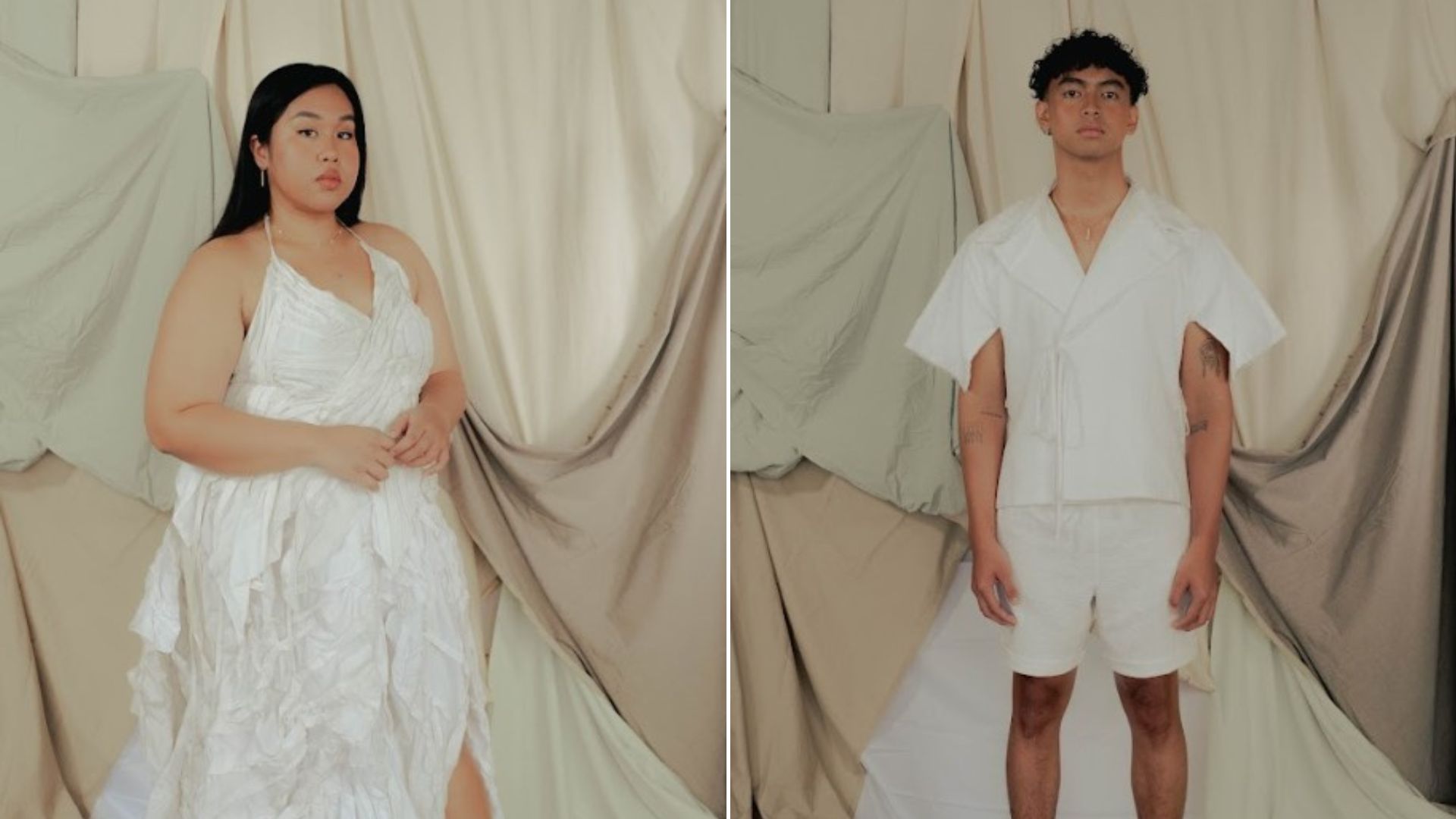
This was the passionate motivation behind REPAMANA, which started as an anti-fast fashion collection by creative entrepreneur Darius “Dars” Jireh Juson. 
MB (8).jpg

To strengthen the cause, the budding designer teamed up with fellow De La Salle-College of Saint Benilde (DLS-CSB) Fashion Design and Merchandising (FDM) graduate Allesandra Gutierrez and Multimedia Arts student Earl Marquez. 

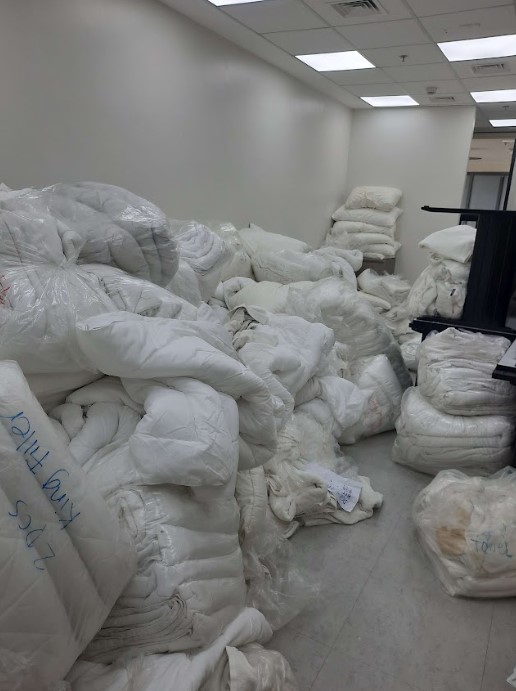
The trio highlighted the significant contribution of the hospitality industry to the problem. Due to the high standards upheld by discerning guests, bedroom linens, such as bedsheets, pillowcases, and duvets are required to be in pristine condition. 

“This linear consumption posed logistical hurdles, which led to collection costs, high storage, and numerous recycling barriers, on top of the environmental effect of cotton production and consumption,” they explained. “In response to this challenge, we sought to create a solution that addresses this crisis, diverts the hotel textiles from ending up in landfills, and has a creative method of repurposing to keep them in circularity.”
1.jpg
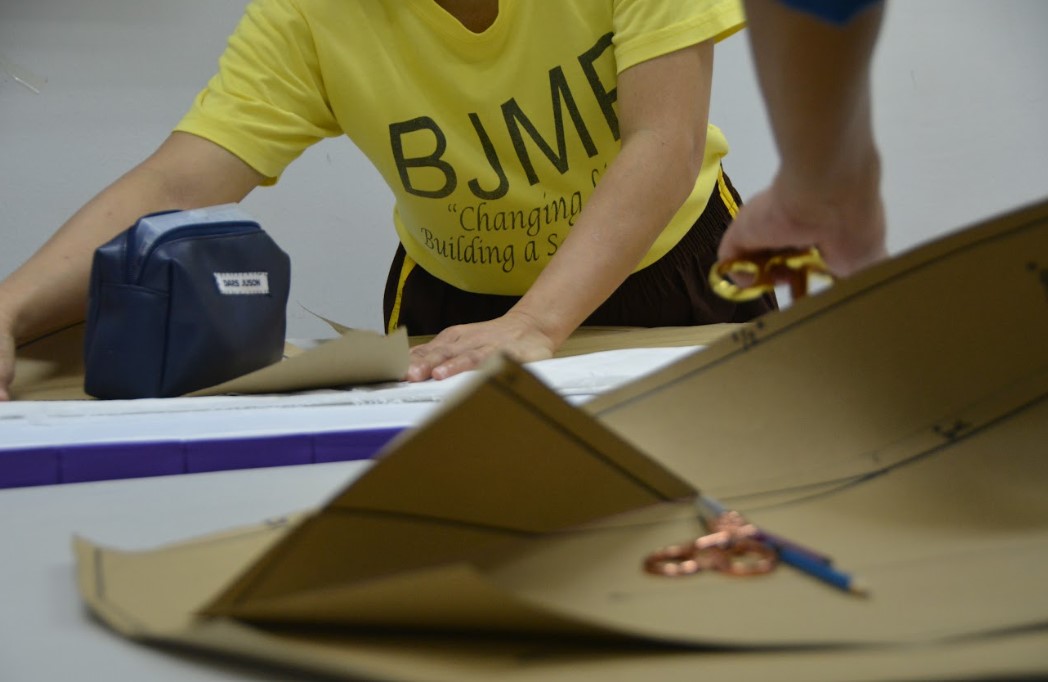
A NEW HOPE. Second chances are provided to female persons deprived of liberty (PDL) in the REPAMANA project

The group then launched this social enterprise, which treats textile waste as a primary source of material, as they repurpose discarded hotel textiles into diverse products, from ready-to-wear garments to renewed hotel amenities. 
Recently, REPAMANA launched “Chapter 0: Origins,” a capsule collection of elevated pambahay or house dresses. The selection, which includes core items for everyday functionality, instills design with a sense of ease.
2.jpg
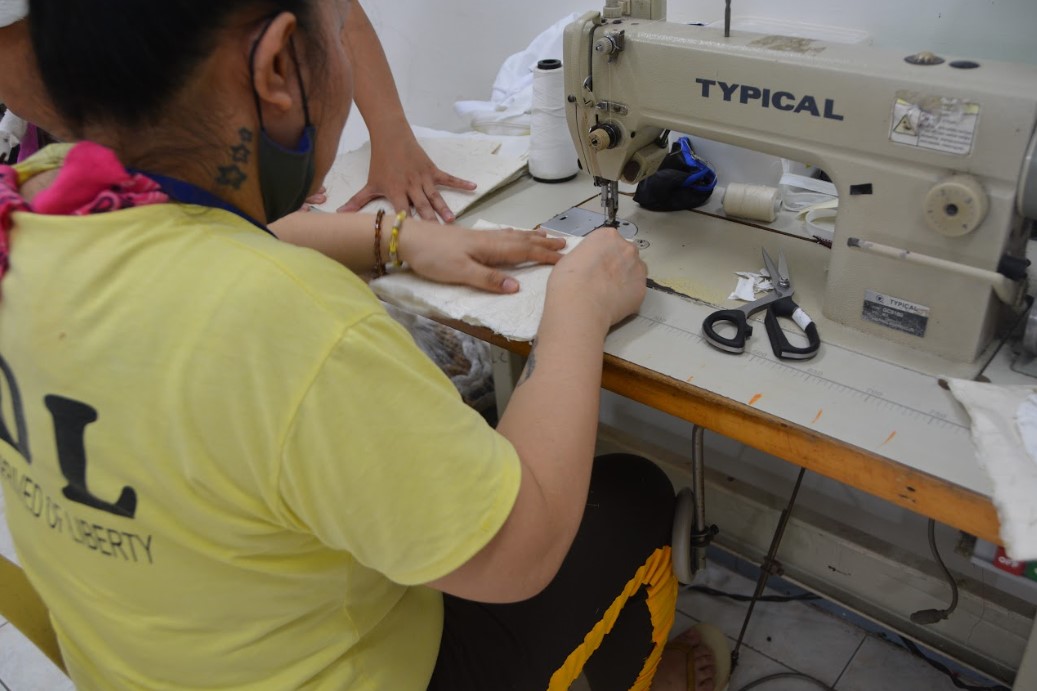
MORE POWER. With empowerment as one of the core elements of its social
mission, REPAMANA has trained 20 women in accessories and dressmaking

“These garments transcend mere fabric,” they explained. “They are a rebirth, an opportunity to start anew with a garment that can be inherited by generations with a meaningful purpose—essentially, a pamana (inheritance).”

4.jpg

The group believes that REPAMANA stands as a testament to the creative power of purposeful fashion. “It breathes new life and higher value to the end product and gives it modern translation with endless styling possibilities,” Juson added.
Today, REPAMANA has diverted over 200 kilos of bedsheets from landfills and upcycled over 75 kilos of textile waste into contemporary fashion pieces.

6.jpg
FASHIONABLE VERSATILITY. Everyday functionality using core items is present in REPAMANA's capsule
collection

With an equal focus on creativity, sustainability, and community, they provide second chances to female Persons Deprived of Liberty (PDLs).  With empowerment as one of the core elements of its social mission, the brand has likewise trained 20 women in dress and accessory making. 

“This initiative not only imparts valuable skills but contributes to their rehabilitation and reintegration into society,” the team expounded. 
7.jpg
RECYCLED GOODS Textile waste is used as the primary source of materials

“Through these intentional choices, every stitch, every fabric selection, and every hand involved in REPAMANA supports the story of second chances toward a more meaningful connection with our garments,” Juson added.
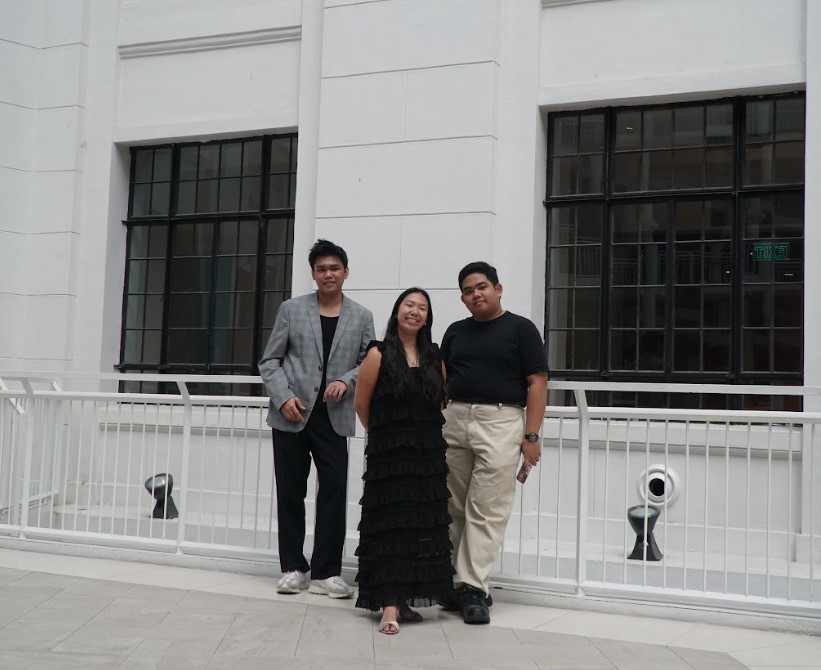
8.jpg
MEET THE TEAM. Darius Darius Jireh Juson, Allesandra Gutierrez, and Earl Marquez

Following their crowdfunding campaign, the trio is likewise accepting donations so they can continue to organize more kits for the next batches of sewing and pattern-making workshops. Pre-loved or brand-new pins and pin cushions, tape measures, zippers, bobbin and bobbin cases, footers, thread, needles, seam rippers, tailor’s chalks, and rulers are welcome.

To support the advocacy of REPAMANA, visit @repamana on Instagram.

Related Tags

MB Lifestyle Online
ADVERTISEMENT
.most-popular .layout-ratio{ padding-bottom: 79.13%; } @media (min-width: 768px) and (max-width: 1024px) { .widget-title { font-size: 15px !important; } }

{{ articles_filter_1561_widget.title }}

.most-popular .layout-ratio{ padding-bottom: 79.13%; } @media (min-width: 768px) and (max-width: 1024px) { .widget-title { font-size: 15px !important; } }

{{ articles_filter_1562_widget.title }}

.most-popular .layout-ratio{ padding-bottom: 79.13%; } @media (min-width: 768px) and (max-width: 1024px) { .widget-title { font-size: 15px !important; } }

{{ articles_filter_1563_widget.title }}

{{ articles_filter_1564_widget.title }}

.mb-article-details { position: relative; } .mb-article-details .article-body-preview, .mb-article-details .article-body-summary{ font-size: 17px; line-height: 30px; font-family: "Libre Caslon Text", serif; color: #000; } .mb-article-details .article-body-preview iframe , .mb-article-details .article-body-summary iframe{ width: 100%; margin: auto; } .read-more-background { background: linear-gradient(180deg, color(display-p3 1.000 1.000 1.000 / 0) 13.75%, color(display-p3 1.000 1.000 1.000 / 0.8) 30.79%, color(display-p3 1.000 1.000 1.000) 72.5%); position: absolute; height: 200px; width: 100%; bottom: 0; display: flex; justify-content: center; align-items: center; padding: 0; } .read-more-background a{ color: #000; } .read-more-btn { padding: 17px 45px; font-family: Inter; font-weight: 700; font-size: 18px; line-height: 16px; text-align: center; vertical-align: middle; border: 1px solid black; background-color: white; } .hidden { display: none; }
function initializeAllSwipers() { // Get all hidden inputs with cms_article_id document.querySelectorAll('[id^="cms_article_id_"]').forEach(function (input) { const cmsArticleId = input.value; const articleSelector = '#article-' + cmsArticleId + ' .body_images'; const swiperElement = document.querySelector(articleSelector); if (swiperElement && !swiperElement.classList.contains('swiper-initialized')) { new Swiper(articleSelector, { loop: true, pagination: false, navigation: { nextEl: '#article-' + cmsArticleId + ' .swiper-button-next', prevEl: '#article-' + cmsArticleId + ' .swiper-button-prev', }, }); } }); } setTimeout(initializeAllSwipers, 3000); const intersectionObserver = new IntersectionObserver( (entries) => { entries.forEach((entry) => { if (entry.isIntersecting) { const newUrl = entry.target.getAttribute("data-url"); if (newUrl) { history.pushState(null, null, newUrl); let article = entry.target; // Extract metadata const author = article.querySelector('.author-section').textContent.replace('By', '').trim(); const section = article.querySelector('.section-info ').textContent.replace(' ', ' '); const title = article.querySelector('.article-title h1').textContent; // Parse URL for Chartbeat path format const parsedUrl = new URL(newUrl, window.location.origin); const cleanUrl = parsedUrl.host + parsedUrl.pathname; // Update Chartbeat configuration if (typeof window._sf_async_config !== 'undefined') { window._sf_async_config.path = cleanUrl; window._sf_async_config.sections = section; window._sf_async_config.authors = author; } // Track virtual page view with Chartbeat if (typeof pSUPERFLY !== 'undefined' && typeof pSUPERFLY.virtualPage === 'function') { try { pSUPERFLY.virtualPage({ path: cleanUrl, title: title, sections: section, authors: author }); } catch (error) { console.error('ping error', error); } } // Optional: Update document title if (title && title !== document.title) { document.title = title; } } } }); }, { threshold: 0.1 } ); function showArticleBody(button) { const article = button.closest("article"); const summary = article.querySelector(".article-body-summary"); const body = article.querySelector(".article-body-preview"); const readMoreSection = article.querySelector(".read-more-background"); // Hide summary and read-more section summary.style.display = "none"; readMoreSection.style.display = "none"; // Show the full article body body.classList.remove("hidden"); } document.addEventListener("DOMContentLoaded", () => { let loadCount = 0; // Track how many times articles are loaded const offset = [1, 2, 3, 4, 5, 6, 7, 8, 9, 10]; // Offset values const currentUrl = window.location.pathname.substring(1); let isLoading = false; // Prevent multiple calls if (!currentUrl) { console.log("Current URL is invalid."); return; } const sentinel = document.getElementById("load-more-sentinel"); if (!sentinel) { console.log("Sentinel element not found."); return; } function isSentinelVisible() { const rect = sentinel.getBoundingClientRect(); return ( rect.top < window.innerHeight && rect.bottom >= 0 ); } function onScroll() { if (isLoading) return; if (isSentinelVisible()) { if (loadCount >= offset.length) { console.log("Maximum load attempts reached."); window.removeEventListener("scroll", onScroll); return; } isLoading = true; const currentOffset = offset[loadCount]; window.loadMoreItems().then(() => { let article = document.querySelector('#widget_1690 > div:nth-last-of-type(2) article'); intersectionObserver.observe(article) loadCount++; }).catch(error => { console.error("Error loading more items:", error); }).finally(() => { isLoading = false; }); } } window.addEventListener("scroll", onScroll); });

Sign up by email to receive news.