







DOST's pest-free solutions for Filipino-made furniture


The recent discovery of bed bugs in furniture at the Ninoy Aquino International Airport (NAIA) raised concerns about using furniture made from local materials.
READ:
https://mb.com.ph/2024/3/1/rattan-chairs-at-naia-disposed-due-to-bed-bug-infestation
The Department of Science and Technology (DOST) assured the public that there are ways to keep Filipino-made furniture safe from pests.
"While the news may discourage some, we want to clarify that there are existing technologies available to prolong the lifespan of furniture made from natural materials," DOST-Forest Products Research and Development Institute (DOST-FPRDI) Officer-in-Charge Rico Cabangon said in a statement on March 14.
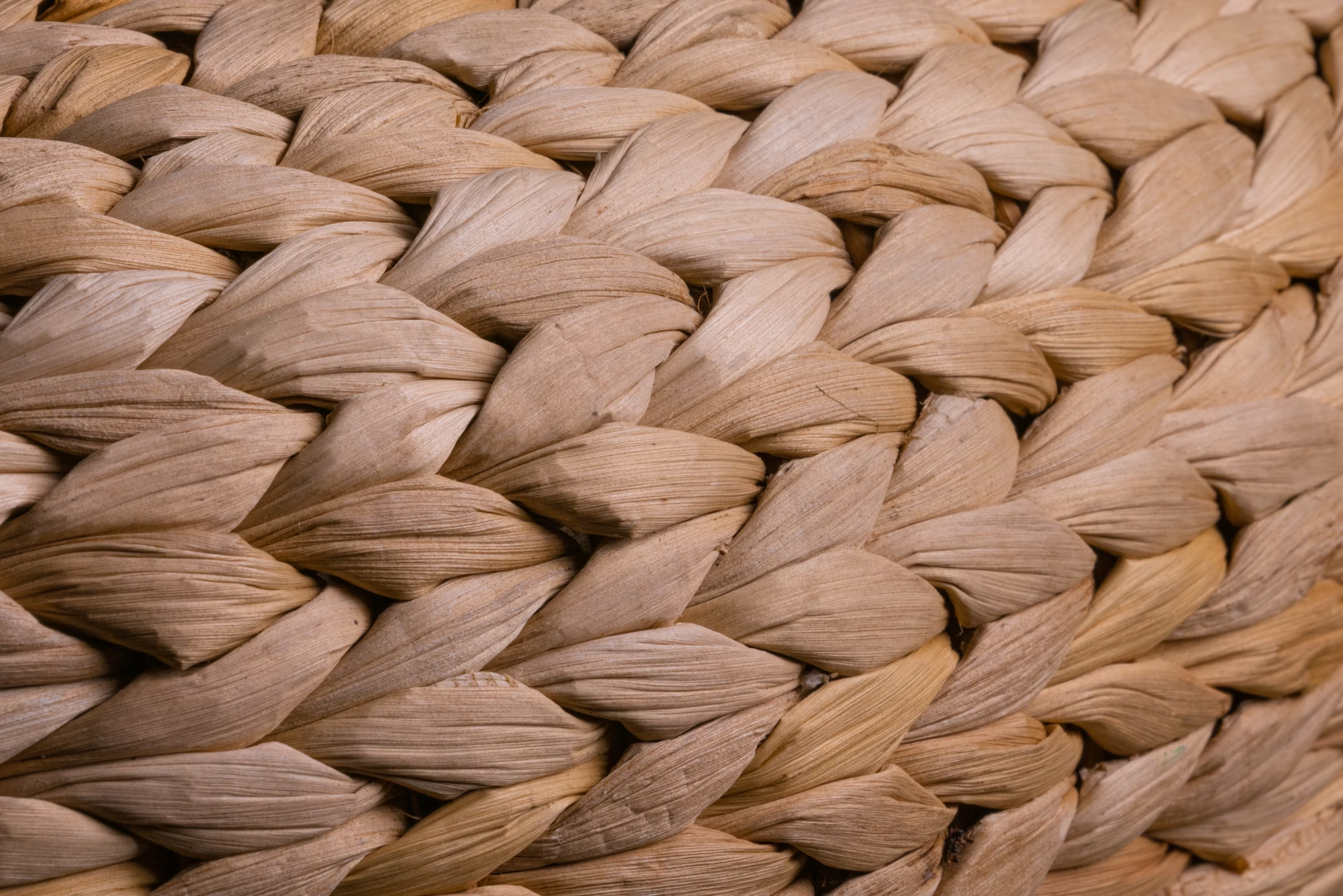
According to him, bed bugs are attracted to the woven pattern of wicker furniture, like rattan, not the material itself.
"These pests can infest anything with tiny crevices, regardless of the material —including metal, fabric, and even concrete," he explained.
While bed bugs are the main concern, he noted that rattan furniture can also be infested by other threats like fungi and termites.
To protect furniture made from natural materials, researchers from DOST have studied several methods — from processing, storage, and transit.
"Proper maintenance is key to using furniture made from natural materials like rattan," Cabangon added.
One approach involves using special wood preservatives that make the furniture less inviting to bugs, even those pesky powder-post beetles known as "bukbok."
Another method that DOST suggested is applying wood preservatives to freshly cut and conditioned materials.
In addition, the Institute recommended using non-chemical control methods, such as kiln drying to achieve low moisture content and ensure proper drying of raw materials.
Moreover, DOST is also researching eco-friendly ways like thermal modification to make these wood and NTFPs more durable and resistant to pests.
According to DOST Scientist Juanito Jimenez, these thermal modifications uses “high heat” to change the kind of chemicals present in a piece of wood making the material “more durable as it becomes more stable, weather-proof, less prone to swelling and shrinking, and appetizing to termites.”
However, minimizing prolonged exposure to moisture is still advised to extend the lifespan of treated furniture further.
"We urge the public not to be discouraged in using furniture made from rattan and other non-timber forest products. It is a triumph of Filipino ingenuity that indigenous materials have been showcased for public use in NAIA,” he said.
“Through science, technology, and innovation, we can continue to take pleasure in bug-free Filipino craftsmanship," Cabangon added.