







Do you find oysters sexy?
And other aphrodisiacs you might want to consider in this hot, hot season
By Sol Vanzi


At A Glance
- Researchers have learned that, for the most part, the power of aphrodisiacs is all in our head, but the placebo effect can go a long way.
A staple offering at food joints inside cockpits in many parts of the Philippines is “Soup Number Five,” which is more popularly known in Cavite as “Bat and Balls” after its main ingredients—a bull’s penis and testicles. The dish is very popular among the mostly male cockfight regulars, who believe it helps improve their performance in the bedroom.
Foods items like oysters and dark chocolate have long been touted as natural aphrodisiacs, but do they work? Researchers have learned that, for the most part, the power of aphrodisiacs is all in our head, but the placebo effect can go a long way.
Aphrodisiacs are food items thought to have an impact on one’s sex drive. They increase libido, potency, and sexual pleasure—and there are almost as many reasons they do so. Some food items have nutrients, vitamins, and minerals
thought to have a direct impact on your sex drive while others simply have properties associated with increased arousal.
Food items suggestively shaped like genitalia, such as oysters, asparagus, root veggies, are believed to have aphrodisiacal qualities because they make you think about sex. Reproduction-related food items, such as caviar, quail eggs, and reproductive organ meats (for example, bulls’ testicles), are said to boost sexual energy.
Chili peppers, jalapeno, curry, and the like are—literally!— hot too. Some people believe that capsaicin, the compound that gives peppers their kick, kicks your libido into high gear, but no research has shown this to be true. Here are a few food items known to be aphrodisiacs.
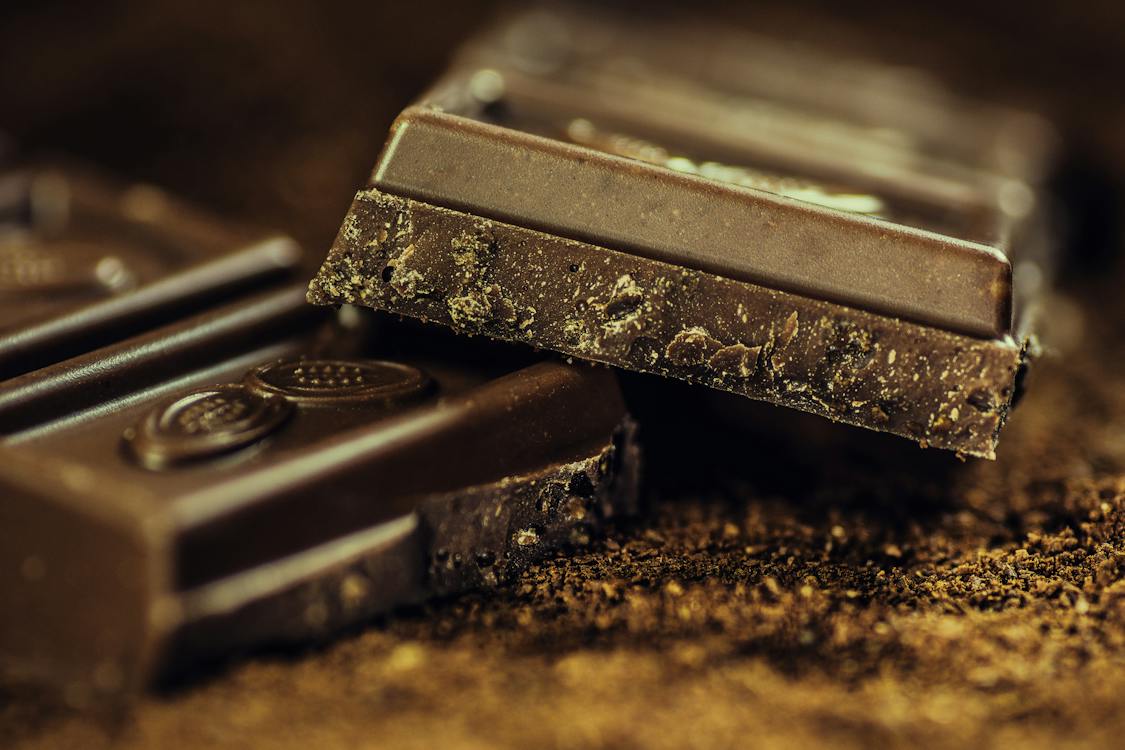
Dark chocolate
Dark chocolate is such a popular Valentine’s Day gift and maybe it’s because cacao is known to increase sexual desire. It contains the compound called phenylethylamine, a mild stimulant that can positively impact your mood. But research shows that women who eat chocolate may be less interested in sex than women who don’t.
Honey
The ancient Greek physician Hippocrates is said to have prescribed honey to patients who needed a little help with arousal, but today, there’s no scientific evidence showing that it works.
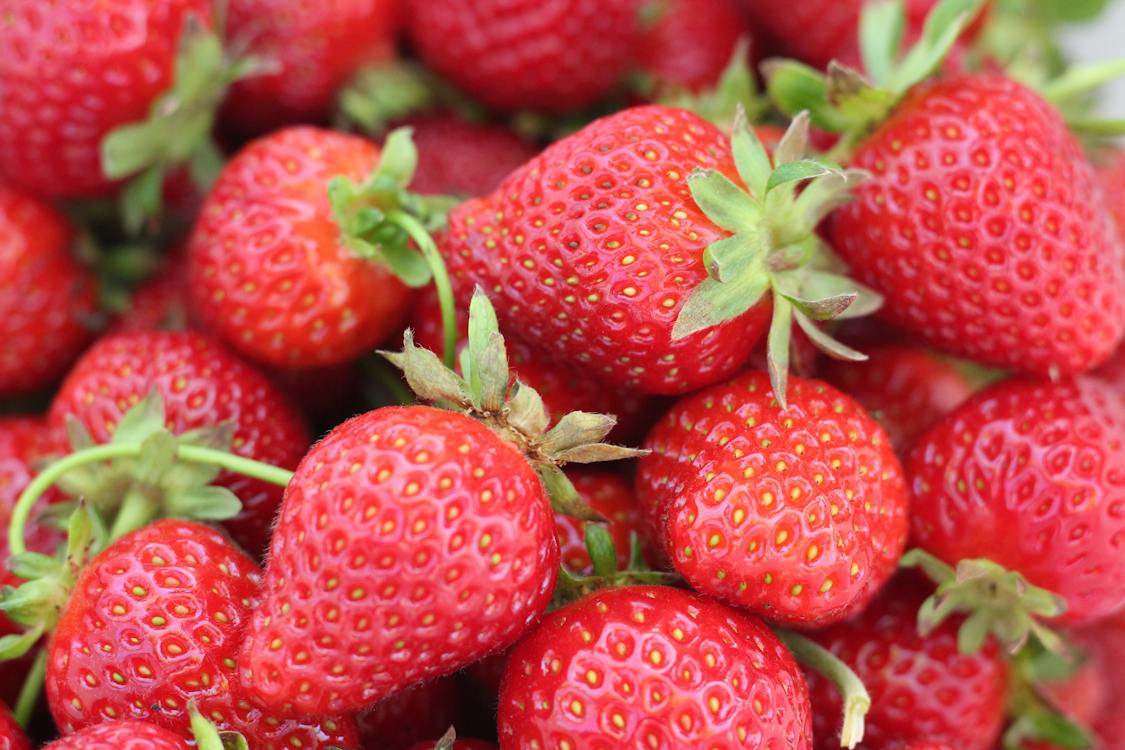
Strawberries
Strawberries have become a symbol of sexy food. “But they don’t have any special sexual powers,” researchers say.
Oysters
Because they resemble the female anatomy, oysters have been considered an aphrodisiac since the days of the Roman Empire. But there’s no scientific evidence to show that they have an impact on sex drive.
Pistachios
One study showed that men with erectile dysfunction who ate 100 grams of pistachios for three weeks saw an increase in their overall erectile function. This
may be because pistachios contain arginine to help relax blood vessels.
Saffron
This sweet, earthy spice has been shown to improve sexual dysfunction in people with depression treated with fluoxetine. In one study, saffron was shown
to help with erectile dysfunction and lead to more satisfying sex. Another study found that saffron may improve arousal and lubrication and reduce pain from sexual intercourse for women.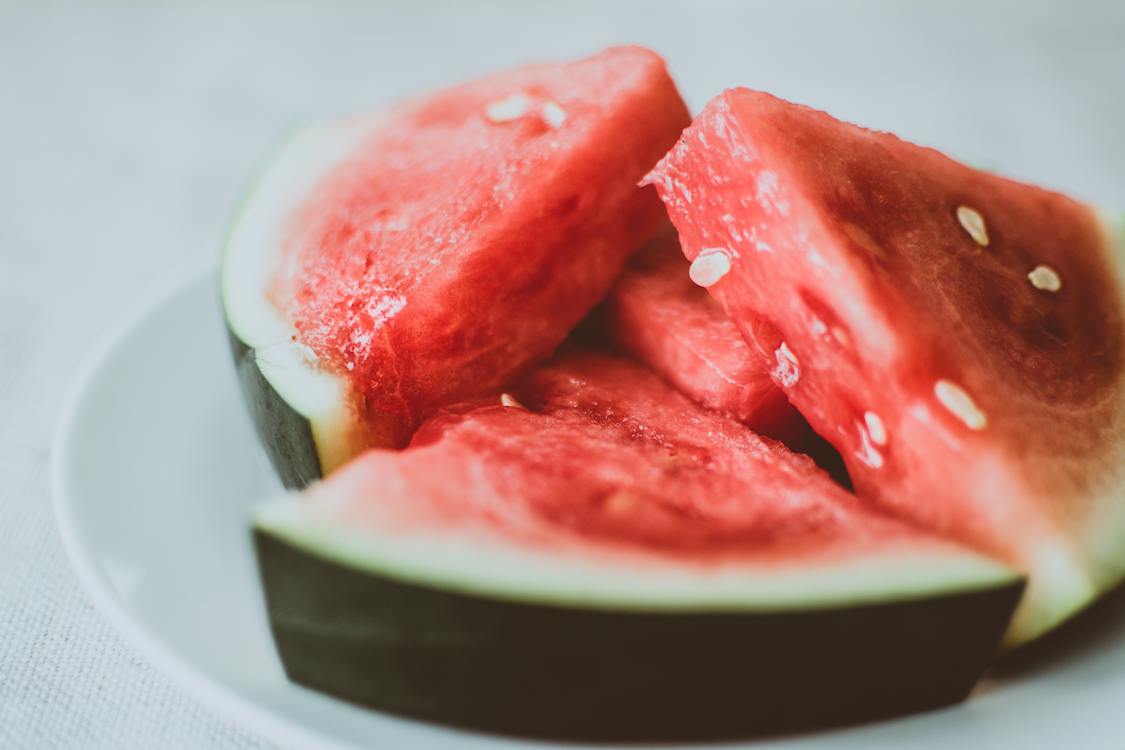
Watermelon
Summer’s favorite fruit is rich in citrulline, an amino acid known to relax and dilate your blood vessels in much the same way as erectile dysfunction drugs do.
Just because food doesn’t have scientific properties declaring it helpful for your libido doesn’t mean it has no libidinous effect on you. The placebo effect is when a substance with no medical effects has a positive benefit on people’s
health simply because people believe it’s good for them. So, when it comes to aphrodisiacs, if you find a certain food item sexy, it can’t hurt to indulge a little.