

ADVERTISEMENT

Traditional pandesal, to the rescue!

How our favorite breakfast bread can save dollars, reduce imports, and help farmers

Published Feb 1, 2024 01:30 am

At A Glance

  • Our mad dash to the bread bag ensured that the pandesal was still hot and not soggy from the steam of freshly-baked bread.
2.jpg
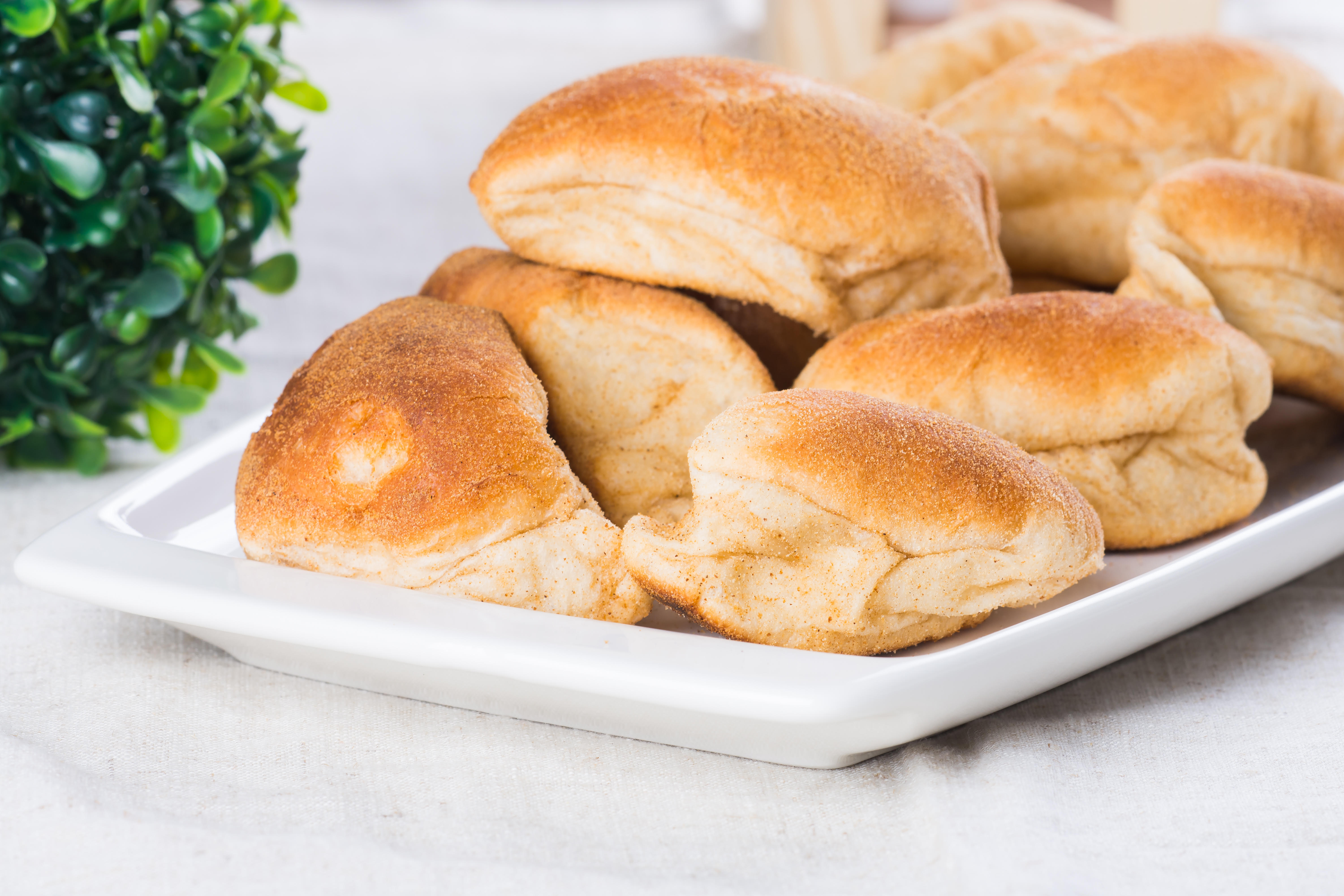
FILIPINO BREAKFAST STAPLE No Filipino breakfast is complete without hot, fresh pandesal

Every barrio in the Philippines has a community bakery, its own panaderya that supplies freshly baked pandesal from dawn to midnight.

Growing up at the south end of Pulang Lupa in Las Piñas, we were awakened daily by the honking of the pandesal delivery bicycle, which sent us kids rushing to our front yard where the day’s ration of pandesal was carefully nestled atop a gumamela bush, out of reach of dogs, cats, chicken, and other free-range creatures.

Our mad dash to the bread bag ensured that the pandesal was still hot and not soggy from the steam of freshly-baked bread. We paid for the bread by leaving money in a paper bag atop the gumamela bush every Sunday morning. We never lost a single bag.

Pandesal was the breakfast staple in our five-generation household. There was no dietary precaution against pandesal raising the blood sugar of my grandparents and great-grandparents.

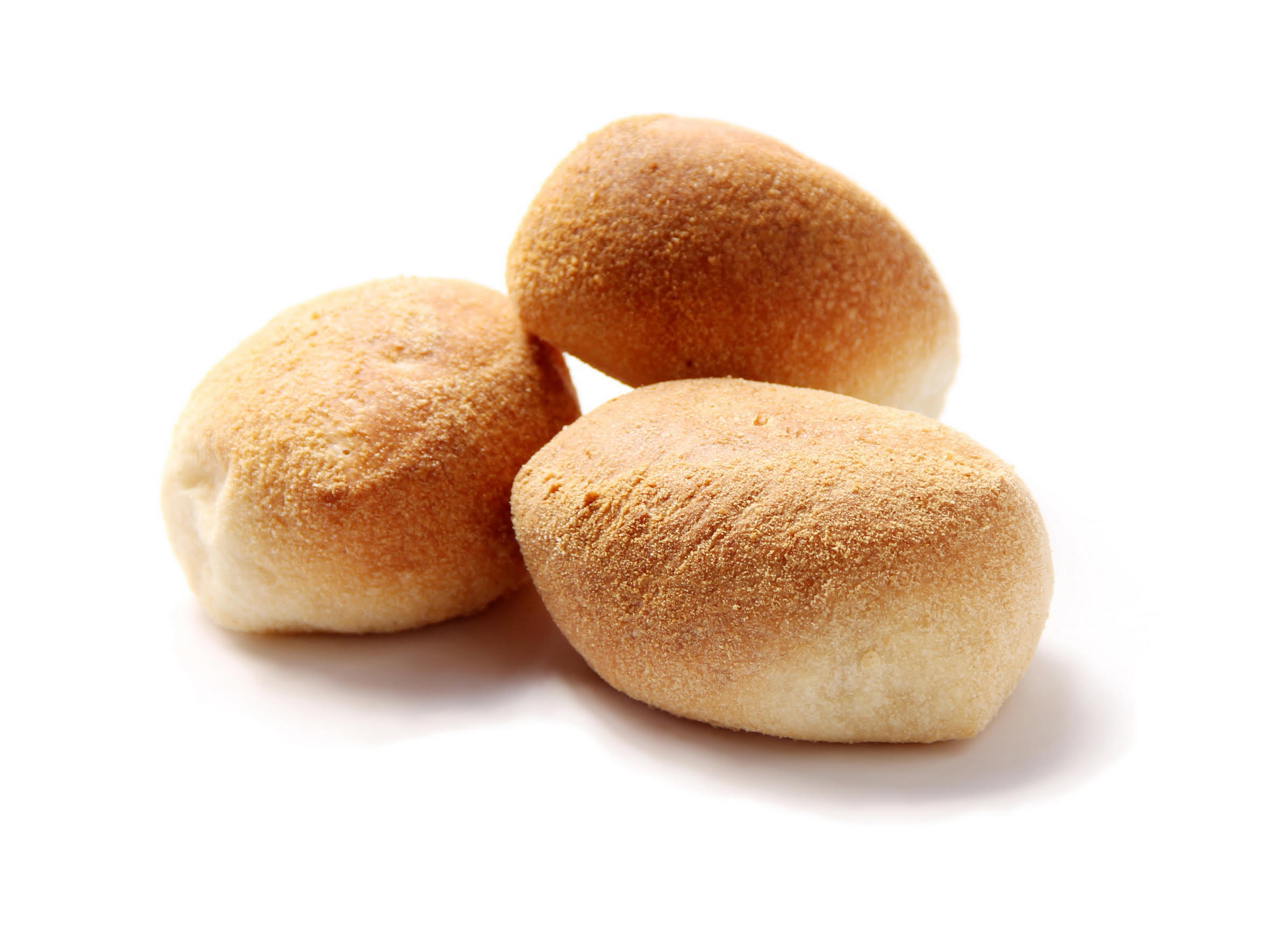
The old pandesal recipe saw drastic changes, especially during the hot “pandesal” craze. The staple shrank, was tinted with yellowish food color, and sweetened.

Community bakers, according to Lucito Chavez, president of the Asosasyon ng Pilipinong Panadero (APP), are pushing for the nationwide adoption of a “standardized pandesal” formula, using less sugar to avert future price increases.

The standardized formula will return pandesal (salty bread) to its traditional recipe.
1.jpg

The pandesal currently being sold by both community and industrial bakeries, Chavez explained, has deviated significantly from the traditional formula, requiring a huge portion of sugar, which has recently become expensive.

Agricultural products like squash, camote, potato, sweet potato, carrot, malunggay, as well as ube, can be incorported to pandesal to as much as 25 percent. These local products face supply and quality challenges due to poor post-harvest capacity, lack of a robust cold chain infrastructure, and high transportation cost.

The United States Department of Agriculture (USDA) projects the Philippines will import 240,000 MT of refined sugar this crop year 2023-2024.

Tinapayan Festival, a community bakery which has been around for 40 years, introduced nutrient-packed, cost-efficient pandesal varieties that solve the rising prices of fuel, sugar, and wheat. Use of bountiful vegetable harvest in pandesal is a novel and practical solution for farmers’ seasonal problems while providing nutritious and affordable bread. 

Related Tags

Sol Vanzi Manila Bulletin Lifestyle
ADVERTISEMENT
.most-popular .layout-ratio{ padding-bottom: 79.13%; } @media (min-width: 768px) and (max-width: 1024px) { .widget-title { font-size: 15px !important; } }

{{ articles_filter_1561_widget.title }}

.most-popular .layout-ratio{ padding-bottom: 79.13%; } @media (min-width: 768px) and (max-width: 1024px) { .widget-title { font-size: 15px !important; } }

{{ articles_filter_1562_widget.title }}

.most-popular .layout-ratio{ padding-bottom: 79.13%; } @media (min-width: 768px) and (max-width: 1024px) { .widget-title { font-size: 15px !important; } }

{{ articles_filter_1563_widget.title }}

{{ articles_filter_1564_widget.title }}

.mb-article-details { position: relative; } .mb-article-details .article-body-preview, .mb-article-details .article-body-summary{ font-size: 17px; line-height: 30px; font-family: "Libre Caslon Text", serif; color: #000; } .mb-article-details .article-body-preview iframe , .mb-article-details .article-body-summary iframe{ width: 100%; margin: auto; } .read-more-background { background: linear-gradient(180deg, color(display-p3 1.000 1.000 1.000 / 0) 13.75%, color(display-p3 1.000 1.000 1.000 / 0.8) 30.79%, color(display-p3 1.000 1.000 1.000) 72.5%); position: absolute; height: 200px; width: 100%; bottom: 0; display: flex; justify-content: center; align-items: center; padding: 0; } .read-more-background a{ color: #000; } .read-more-btn { padding: 17px 45px; font-family: Inter; font-weight: 700; font-size: 18px; line-height: 16px; text-align: center; vertical-align: middle; border: 1px solid black; background-color: white; } .hidden { display: none; }
function initializeAllSwipers() { // Get all hidden inputs with cms_article_id document.querySelectorAll('[id^="cms_article_id_"]').forEach(function (input) { const cmsArticleId = input.value; const articleSelector = '#article-' + cmsArticleId + ' .body_images'; const swiperElement = document.querySelector(articleSelector); if (swiperElement && !swiperElement.classList.contains('swiper-initialized')) { new Swiper(articleSelector, { loop: true, pagination: false, navigation: { nextEl: '#article-' + cmsArticleId + ' .swiper-button-next', prevEl: '#article-' + cmsArticleId + ' .swiper-button-prev', }, }); } }); } setTimeout(initializeAllSwipers, 3000); const intersectionObserver = new IntersectionObserver( (entries) => { entries.forEach((entry) => { if (entry.isIntersecting) { const newUrl = entry.target.getAttribute("data-url"); if (newUrl) { history.pushState(null, null, newUrl); let article = entry.target; // Extract metadata const author = article.querySelector('.author-section').textContent.replace('By', '').trim(); const section = article.querySelector('.section-info ').textContent.replace(' ', ' '); const title = article.querySelector('.article-title h1').textContent; // Parse URL for Chartbeat path format const parsedUrl = new URL(newUrl, window.location.origin); const cleanUrl = parsedUrl.host + parsedUrl.pathname; // Update Chartbeat configuration if (typeof window._sf_async_config !== 'undefined') { window._sf_async_config.path = cleanUrl; window._sf_async_config.sections = section; window._sf_async_config.authors = author; } // Track virtual page view with Chartbeat if (typeof pSUPERFLY !== 'undefined' && typeof pSUPERFLY.virtualPage === 'function') { try { pSUPERFLY.virtualPage({ path: cleanUrl, title: title, sections: section, authors: author }); } catch (error) { console.error('ping error', error); } } // Optional: Update document title if (title && title !== document.title) { document.title = title; } } } }); }, { threshold: 0.1 } ); function showArticleBody(button) { const article = button.closest("article"); const summary = article.querySelector(".article-body-summary"); const body = article.querySelector(".article-body-preview"); const readMoreSection = article.querySelector(".read-more-background"); // Hide summary and read-more section summary.style.display = "none"; readMoreSection.style.display = "none"; // Show the full article body body.classList.remove("hidden"); } document.addEventListener("DOMContentLoaded", () => { let loadCount = 0; // Track how many times articles are loaded const offset = [1, 2, 3, 4, 5, 6, 7, 8, 9, 10]; // Offset values const currentUrl = window.location.pathname.substring(1); let isLoading = false; // Prevent multiple calls if (!currentUrl) { console.log("Current URL is invalid."); return; } const sentinel = document.getElementById("load-more-sentinel"); if (!sentinel) { console.log("Sentinel element not found."); return; } function isSentinelVisible() { const rect = sentinel.getBoundingClientRect(); return ( rect.top < window.innerHeight && rect.bottom >= 0 ); } function onScroll() { if (isLoading) return; if (isSentinelVisible()) { if (loadCount >= offset.length) { console.log("Maximum load attempts reached."); window.removeEventListener("scroll", onScroll); return; } isLoading = true; const currentOffset = offset[loadCount]; window.loadMoreItems().then(() => { let article = document.querySelector('#widget_1690 > div:nth-last-of-type(2) article'); intersectionObserver.observe(article) loadCount++; }).catch(error => { console.error("Error loading more items:", error); }).finally(() => { isLoading = false; }); } } window.addEventListener("scroll", onScroll); });

Sign up by email to receive news.