







Give your liver the care that it deserves
Give your liver the care that it deserves
By Cheshire Que


Common illnesses and the top causes of deaths in the Philippines include diseases of the heart, lungs, kidneys, and diabetes. While liver cancer and other diseases of this organ don’t belong to the top list, it is important not to turn a blind eye on the factors that may lead to the increase in the prevalence of liver cancer, hepatitis, and other liver diseases. After all, most if not all, liver diseases are very much preventable.
The liver is a very hardworking organ. It is located in the upper right portion of the abdomen. It is known to be in charge of the body’s natural detoxification processes. Its function however isn’t limited to that. Did you know that it plays a role in the breakdown of fat and glucose or sugar; production of cholesterol and special proteins; immunity; and preventing you from being anemic and bleeding to death?
When your liver malfunctions, you’re in big trouble. Don’t wait for your liver cells or hepatocytes to get damaged. Here are some ways to give your liver all the love it deserves:
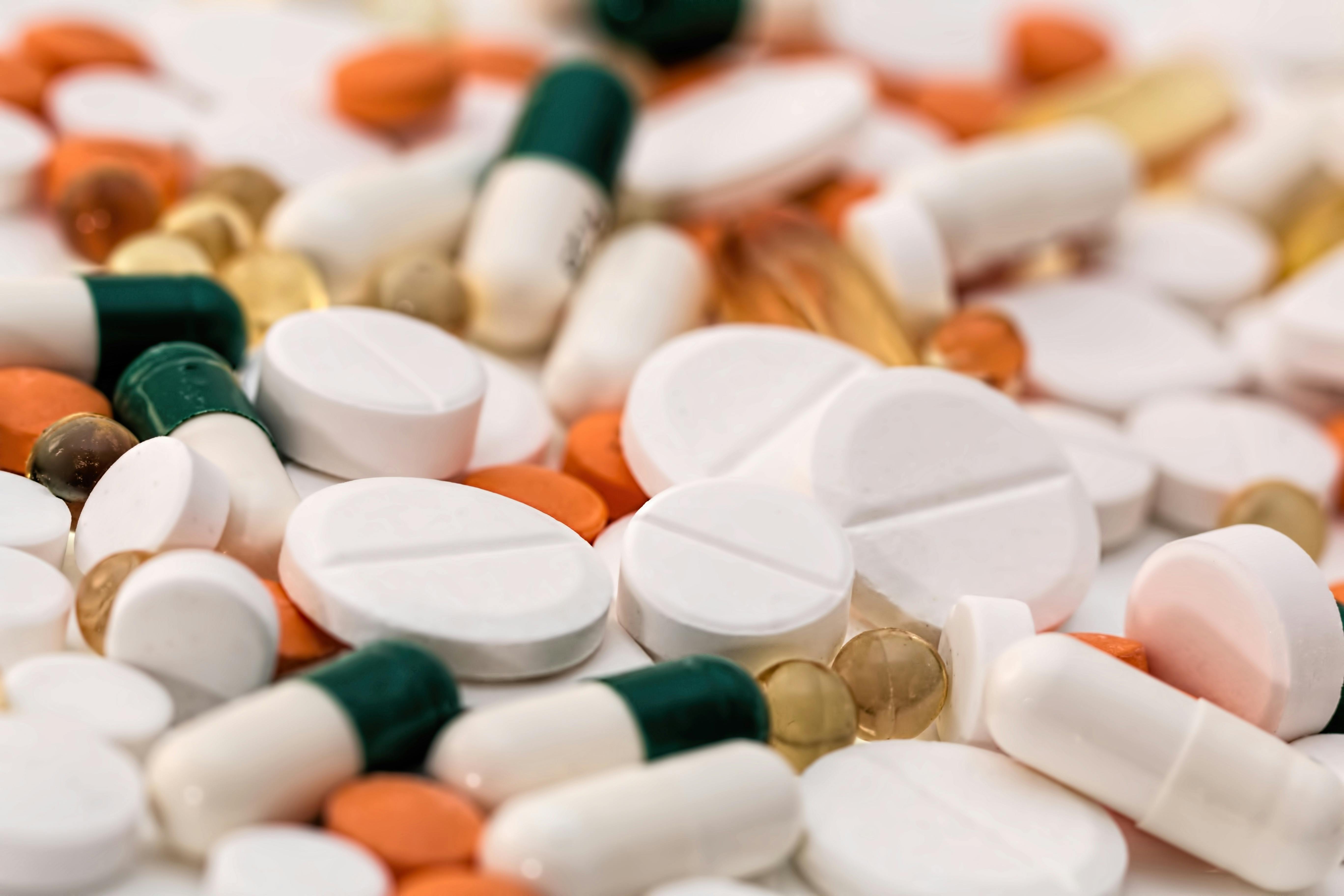
Don’t be a pill popper of hepatotoxic drugs or medicines that are toxic to the liver especially in high doses. Medicines are metabolized or broken down in the liver where they are inactivated and detoxified. Common medications that are hepatotoxic include over the counter paracetamol, also known as acetaminophen that is used to regulate temperature during febrile periods (fever) or as a pain reliever. Some antibiotics like amoxicillin and other drugs are also not liver friendly. Therefore, if you get a headache, try to ease it with natural remedies like drinking water (because dehydration can cause headaches), applying an ice pack or cold compress, taking a rest, and applying or inhaling essential oils. Medicine should be your last resort unless it is prescribed by your physician as in the case of antibiotics.
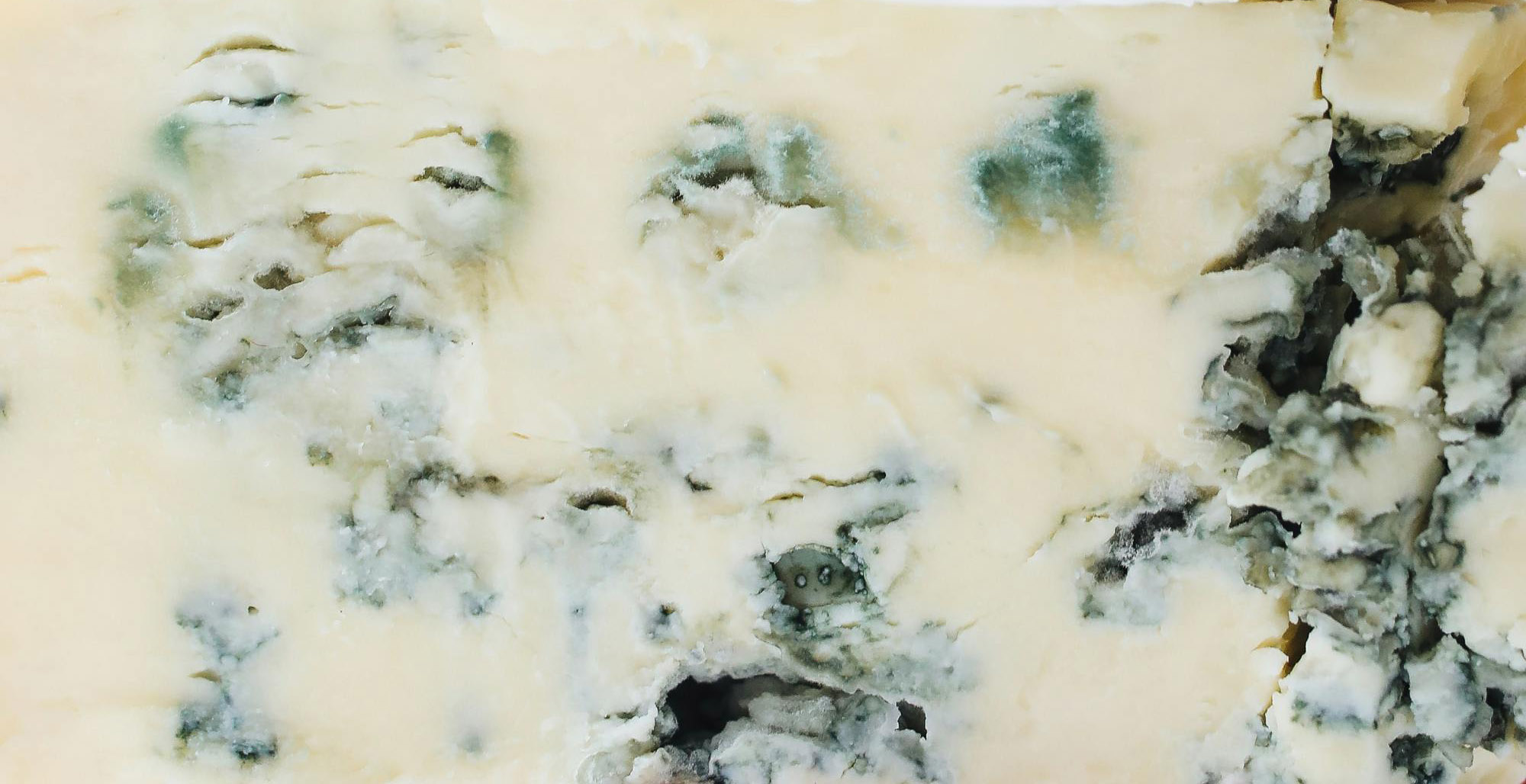
Avoid molds at all costs. Exposure to and ingestion of molds will damage your liver cells. Mycotoxins are produced by molds and can be present in food. It is humid all year round in the Philippines. Therefore, it’s common for molds to grow on food like bread, nuts, coffee beans, fruits, and other food stuff. In case you see a speck of mold on bread, the entire loaf must be discarded. You can’t get rid of the spores that may have spread in other parts that are unseen to the naked eye. Scraping it off and heating it up will not kill the mold. Don’t feel bad for throwing that moldy food. You will regret it if you make this a habit and you get liver cancer later on. When you find molds anywhere, check the rest of the food around the affected one.

Avoid alcohol. It is filtered by the liver. Each time the filtration occurs, some liver cells die. The liver however can miraculously regenerate new hepatocytes. Unfortunately, alcohol abuse can take its toll on the liver’s ability to form new cells and begin to malfunction. This could lead to fat accumulation known as alcoholic fatty liver disease. As the condition worsens, scarring of the liver may occur due to liver damage. This is known as cirrhosis, the end stage of liver disease.
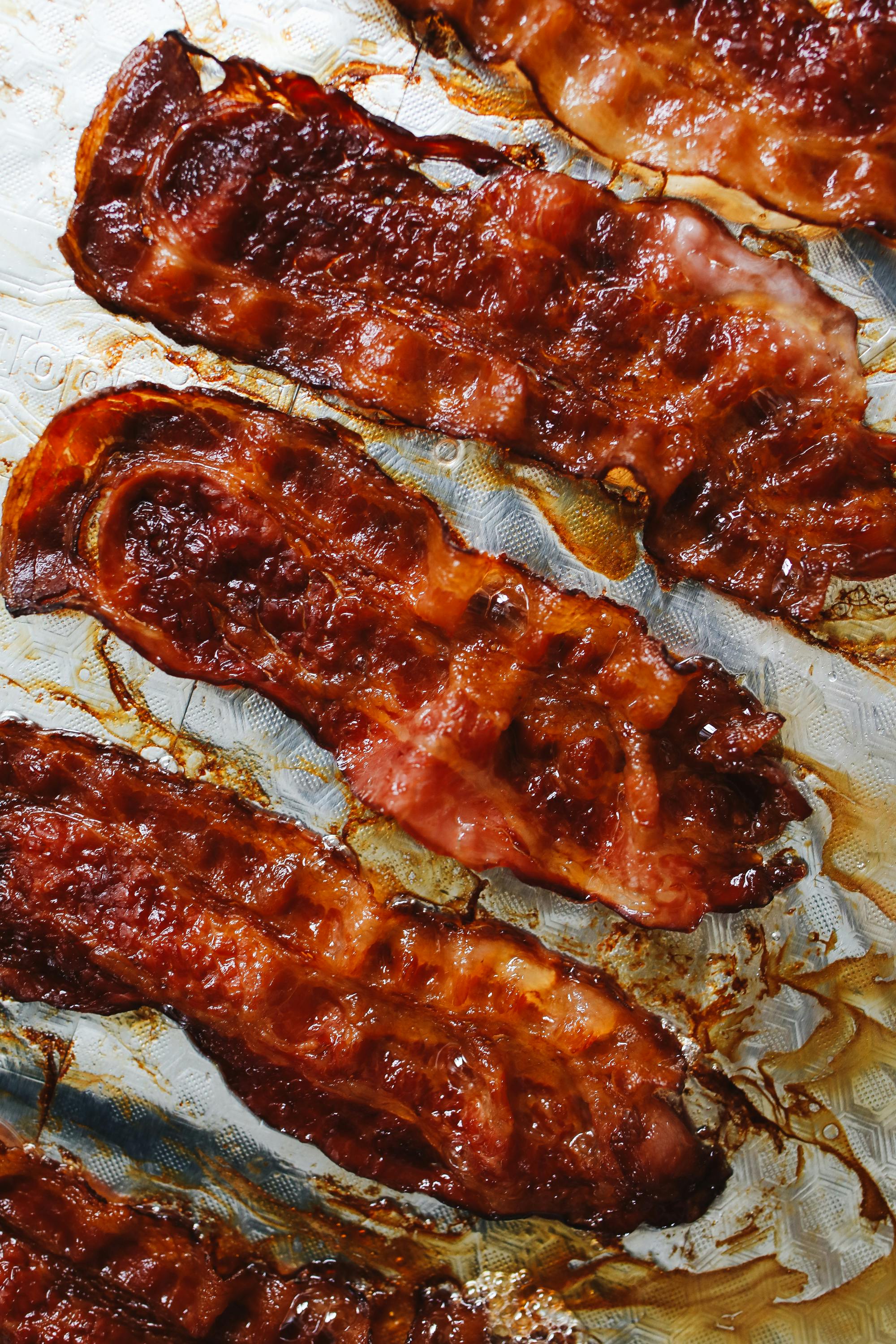
Watch your carb and fat intake. Carbohydrates from fresh fruits, vegetables, and whole grains like oats, quinoa, adlai, and brown/red/black rice are alright. Refined carbohydrates or simple sugars from too much white rice, bread, cookies, chocolates, sugary beverages can be converted into fat which can accumulate in the liver and cause non-alcoholic fatty liver disease. The liver plays a role in metabolizing carbohydrates by storing glycogen which can be used as energy when needed. Excess glycogen stores are harmful to the liver. The same goes with saturated fat and trans fat intake from fried foods, processed meats, pork, beef, butter, and other animal-based products like milk. These also increases bad cholesterol which contributes to the fat accumulation. Healthy fat sources include: nuts, seeds, oats, psyllium, soy, seaweed, fatty fish like tuna, salmon, and sardines.
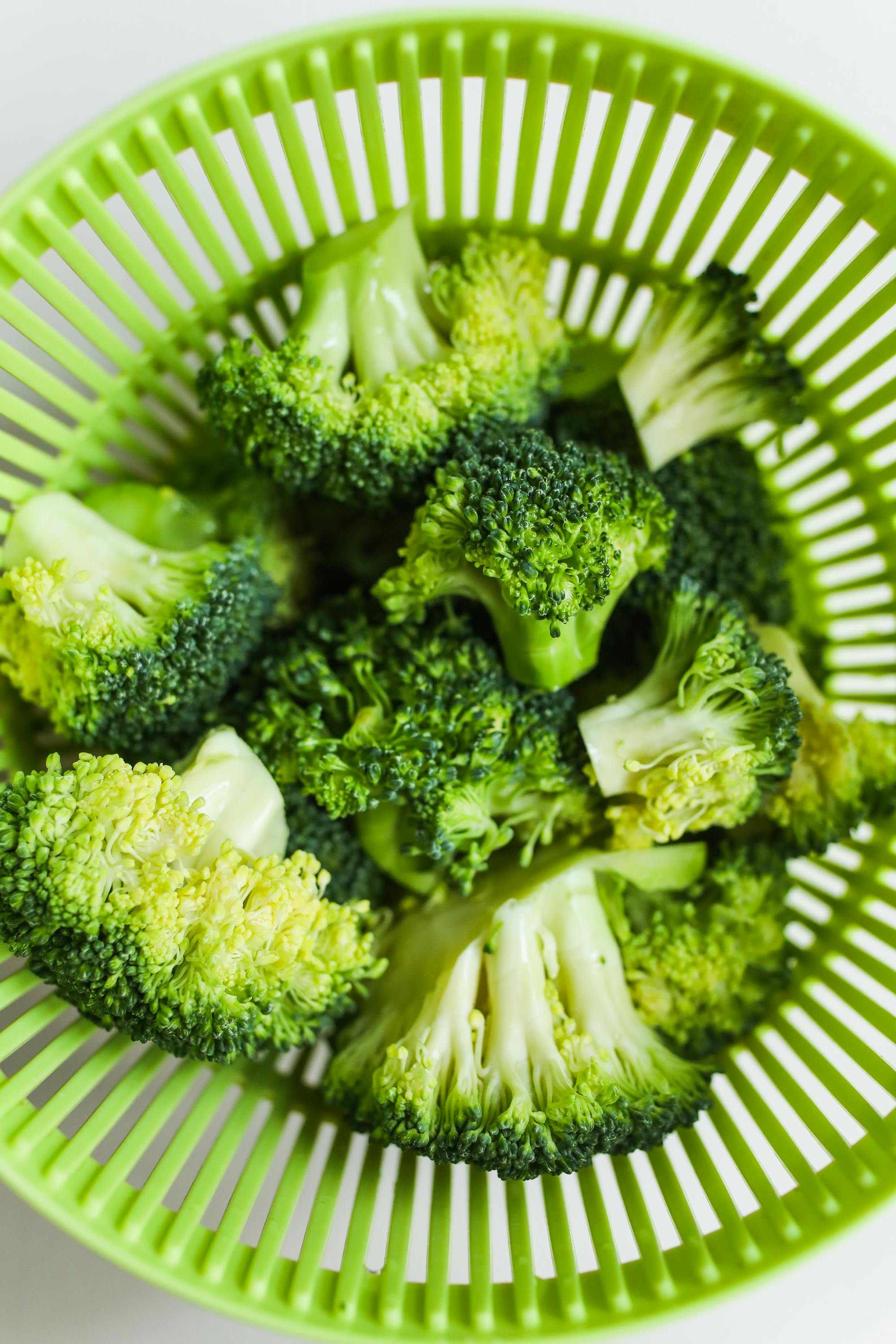
Regularly consume cruciferous vegetables like malunggay, broccoli, cauliflower, cabbage, Chinese cabbage, watercress, radish, kale, Brussels sprouts, arugula, mustard, turnip, and bokchoy. Cruciferous vegetables contain the plant chemical indole that studies have shown can alleviate non-alcoholic fatty liver disease.

Learn to manage stress and develop healthy coping mechanisms. While stress cannot be totally avoided, it is important to learn how to cope and to find rest and relaxation in between stressful situations. Stress can injure the liver through fluctuations in the oxygen supply to the cells, oxidative stress and inflammation of the liver, overproduction of stress hormones, overstimulation of liver cells, and other processes that render the liver generally weakened.

Aim to get quality sleep at night. Poor sleep quality and duration increases the risk of non-alcoholic fatty liver disease. Just the rest of the body, liver cells need to repair and regenerate. We do it best during sleep, therefore, if you are suffering from insomnia, learn how to practice sleep hygiene by having a downtime, disconnecting from gadgets, avoiding large meals and caffeine at least four hours before bedtime and the like.
January is liver cancer awareness month, why don’t you decide to begin to give your liver a lot more attention this time?
Banner image by pch.vector on Freepik