








At A Glance
- Philippine-made mayo is sweet, unsuitable for Western salads and sandwiches. To solve this problem and save my marriage, I learned to make mayonnaise
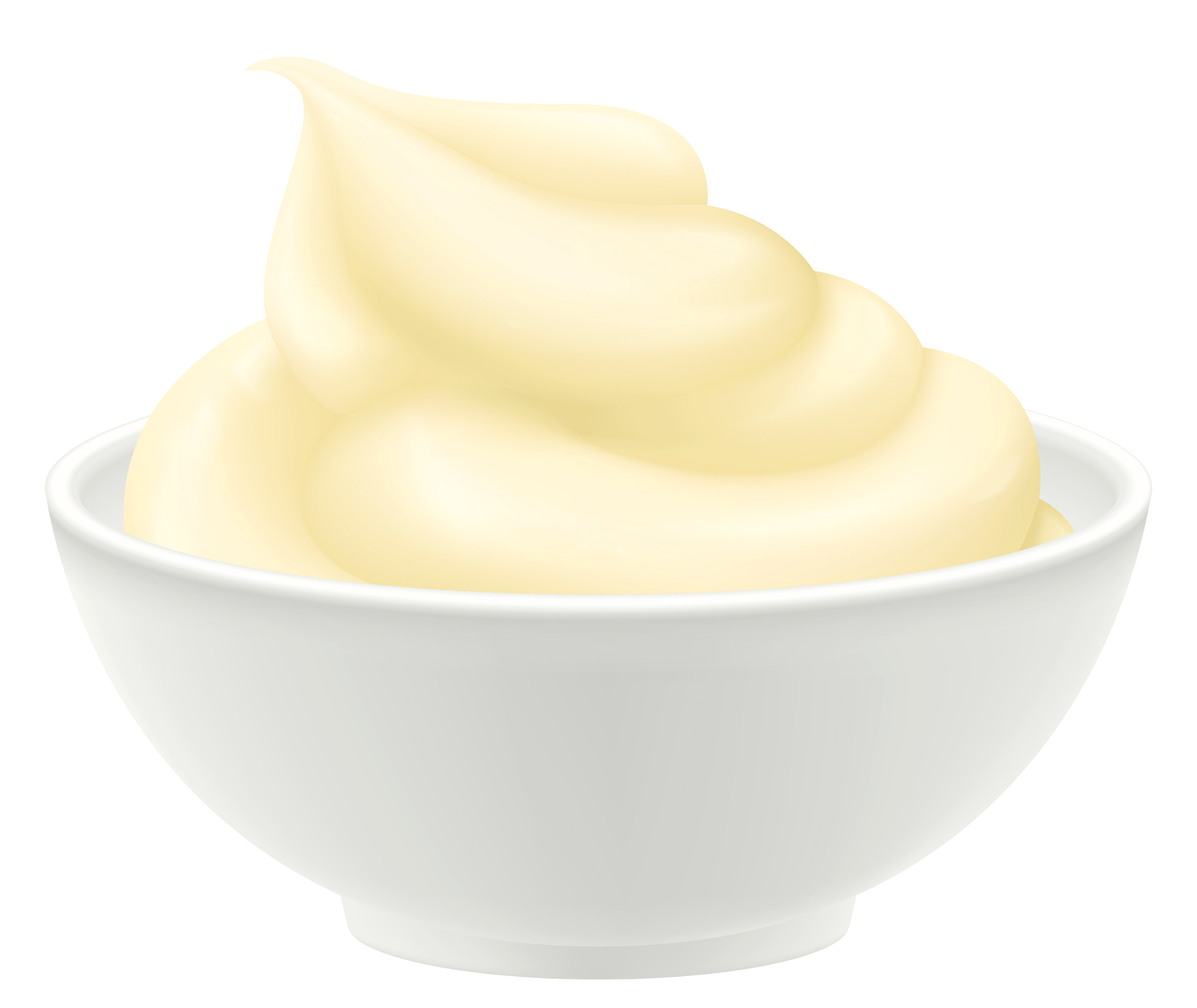
I married a man who could not live without mayonnaise, which was a big problem when we moved to Manila from Hong Kong. Philippine-made mayo is sweet, unsuitable for Western salads and sandwiches. To solve this problem and save my marriage, I learned to make mayonnaise. I saved a lot of money, too, as homemade mayo costs less than half the store-bought kind.
Mayonnaise is a cold sauce originating in French cuisine, an emulsion of raw egg yolks and vegetable oil. Plain mayonnaise is flavored with lemon juice, plus mustard or vinegar or both.
This thick, mild sauce serves as the base of dozens of variations, such as mayonnaise verte (with puréed green herbs), sauce rémoulade (with anchovies, pickles, and capers), sauce aïoli (a Provençal mayonnaise flavored with a great deal of garlic), and salad dressings such as Thousand Island and Russian dressings.
The etymology of the word mayonnaise is uncertain. It may be a corruption of moyeunaise, moyeu being an Old French word denoting the yolk of an egg. The French chef Antonin Carème said that it derived from the verb manier, meaning “to stir.”
Fail-proof mayonnaise
Using whole eggs instead of just the yolk, this homemade mayonnaise recipe is practically fail-proof and really easy.
I’ve used this mayonnaise recipe for more than 50 years. It is ultra creamy and so much more flavorful than anything you can buy at the store.
The whole process takes less than 10 minutes.
The ingredients to make mayo are simple.
Egg. You need to use an egg or more to make mayonnaise. If you are concerned about eating raw eggs, buy pasteurized eggs.
Mustard. Not everyone loves the flavor of mustard, but when it comes to making homemade mayonnaise, mustard is sort of a magical ingredient. Mustard adds flavor. It also helps to keep the mayonnaise stable. Along with the egg yolk, mustard helps emulsify the mixture, reducing the risk of our mayo curdling.
Vinegar or lemon juice. A little acid like wine vinegar, champagne vinegar, and lemon juice add incredible flavor to the mayonnaise. It also helps to stabilize the mixture. I use white vinegar for neutral flavor.
Neutral-flavored oil. By neutral flavored oil, I mean use an oil that is light in flavor. I use corn or canola oil. You can use olive oil, but it can be a little overpowering and expensive.
Equipment. Almost all homes these days have blenders or food processors. In the past, we used only a wire whisk, which left us with tired arms and strong biceps.
Keep ingredients at room temperature when making mayonnaise at home. If you’re not able to wait for the egg to come to room temperature, submerge it in lukewarm (not hot) water for a couple of minutes.
Making mayonnaise
Prepare your food processor or use the small bowl attachment that came with your food processor to make just one cup. Or use a blender. Break an egg into the machine and process for about 20 seconds.
Add mustard, vinegar, and salt then process for another 20 seconds.
Slowly add the oil, in tiny drops, until about a quarter of the oil has been added. Adding the oil very slowly is really important. If you were to pour it all in at once, you’d have scrambled soup. Taste and adjust with additional salt and vinegar or lemon juice.
Mayonnaise variations
This classic mayonnaise is wonderful as is, but you will love it even more with personal touches. A squeeze of lemon brightens things up a notch. Fresh herbs, roasted garlic, chipotle, Sriracha, or curry powder are all amazing options, as well.
Broken mayonnaise
When making mayonnaise, the worst, but not unfixable, thing that can happen is when the mixture breaks, leaving a curdled mess. Our recipe tries to prevent this a few ways. We use whole egg, which adds a little more liquid to the mix. Mustard acts as an emulsifier and we are careful to add oil in very slowly. Read on to see how you can rescue your broken mayo with mustard.
Eggs are essential for making mayonnaise. Risks of using raw eggs are low, but here’s what the CDC suggests you do to reduce the risks of using eggs. Keep eggs refrigerated at 40°F (4°C) or colder at all times. Only buy eggs from stores and suppliers that keep them refrigerated. Discard cracked or dirty eggs.
Mustard is important. You can make homemade mayonnaise without mustard, but the resulting mayo will lack an important flavor. Mustard is also added to encourage emulsification.
Homemade mayo will last as long as eggs would have lasted. Mayo will keep covered in the fridge up to a week, but it could last a little longer depending on the freshness of the eggs. Remember to keep the mayo jar covered in the refrigerator.
Not just for sandwiches
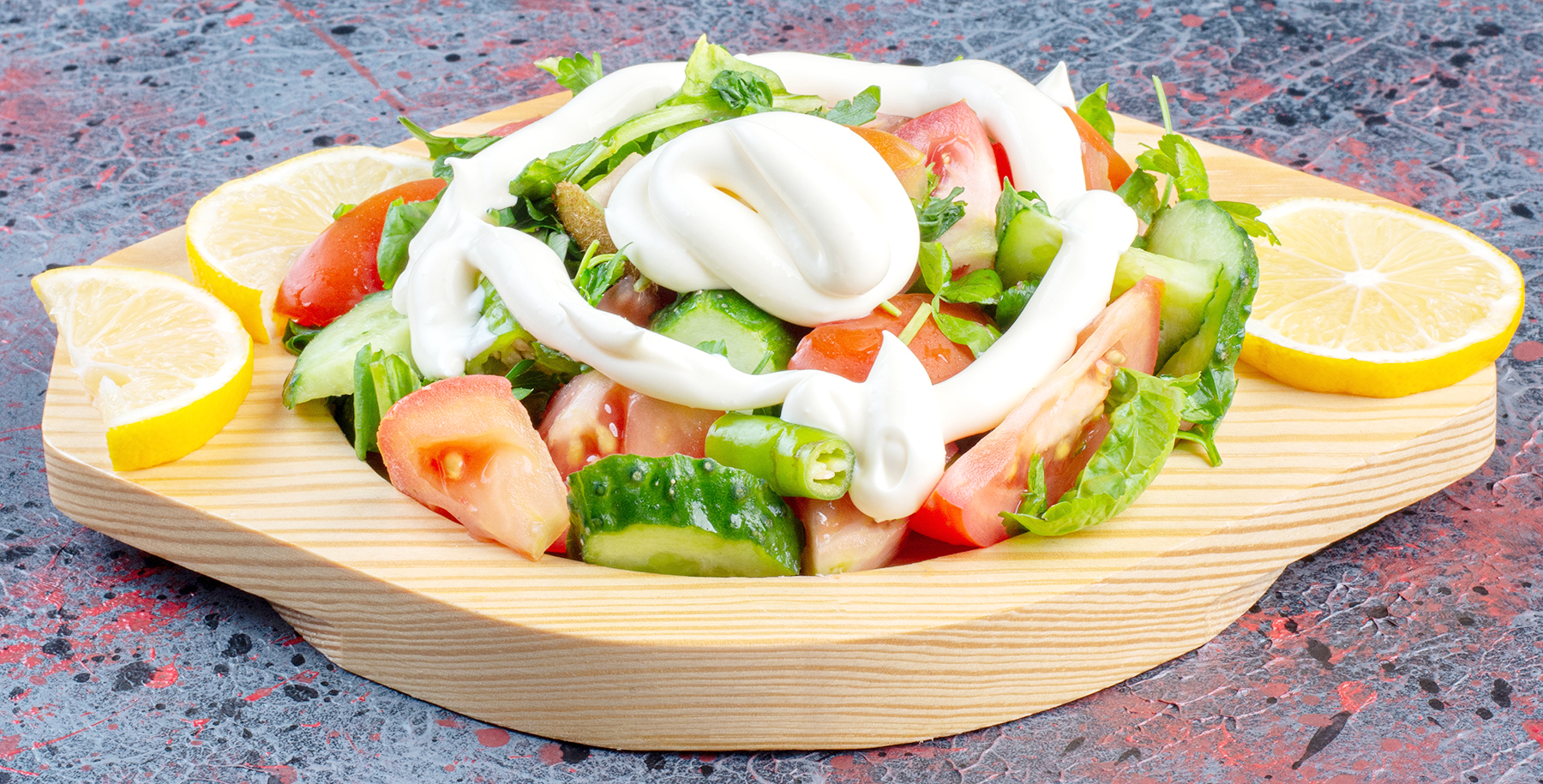
Homemade mayonnaise isn’t just for sandwiches! Use it to make delicious salads, such as potato salad, creamy coleslaw, or our broccoli salad. It’s absolutely perfect for making egg salad, tuna salad, or the family favorite chicken salad, all of which are perfect for make-ahead lunches or midnight snacks.
I use mayo as the base for creamy salad dressings: Blue cheese dressing, simple tartar sauce, or my favorite ranch dressing.
INGREDIENTS
Makes approximately 1 cup
1 large egg at room temperature
1 tablespoon mustard
1 tablespoon white vinegar
1/4 teaspoon salt, or to taste
1 cup (240 ml) corn oil or canola
1 teaspoon lemon juice (or calamansi)
If you have a large food processor, use the smaller bowl attachment that came with your processor so that the bowl is not too large for the amount of mayonnaise this recipe makes. Not using the smaller bowl can prevent the mayonnaise from emulsifying.
Scrape the sides and bottom of the bowl, turn the food processor on then begin to slowly add the oil in tiny drops until about a quarter of the oil has been added. This is critical for proper emulsification.
Once the mixture begins to thicken and emulsify, you can be a little less strict. With the processor on, continue to add oil slowly, in a very thin stream instead of drops of oil.
When all of the oil has been added, scrape the bottom and sides of the bowl and process for an extra 10 seconds. Add salt, lemon juice, or extra vinegar to taste.
if the mayo seems too thin, slowly stream in more oil with the processor running until thick.
You really should be able to fix broken mayo. Add about one teaspoon of mustard to a bowl then slowly beat the broken mayonnaise into the mustard until it becomes emulsified and creamy again (a tip from Julia Child). Another trick is to repeat the same process, but replace the teaspoon of mustard with an egg yolk.
Nutrition facts: The nutrition facts provided here are estimates. One serving equals one tablespoon.
NUTRITION PER SERVING Serving Ssze 1 tablespoon / Calories 126 / Protein 0 g / Carbohydrate 0 g / Dietary Fiber 0 g / Total Sugars 0 g / Total Fat 14 g / Saturated Fat 1 g / Cholesterol 12 mg