







PBBM suspends pass-through fees; cites ease of doing business


At A Glance
- Marcos says EO 41 ensures the smooth flow of products in the country.
- Marcos says EO 41 effectively lowers the transportation costs in delivering goods to different parts of the Philippines.
President Marcos said he ordered the suspension of the collection of pass-through fees on national roads to promote the ease of doing business in the country.
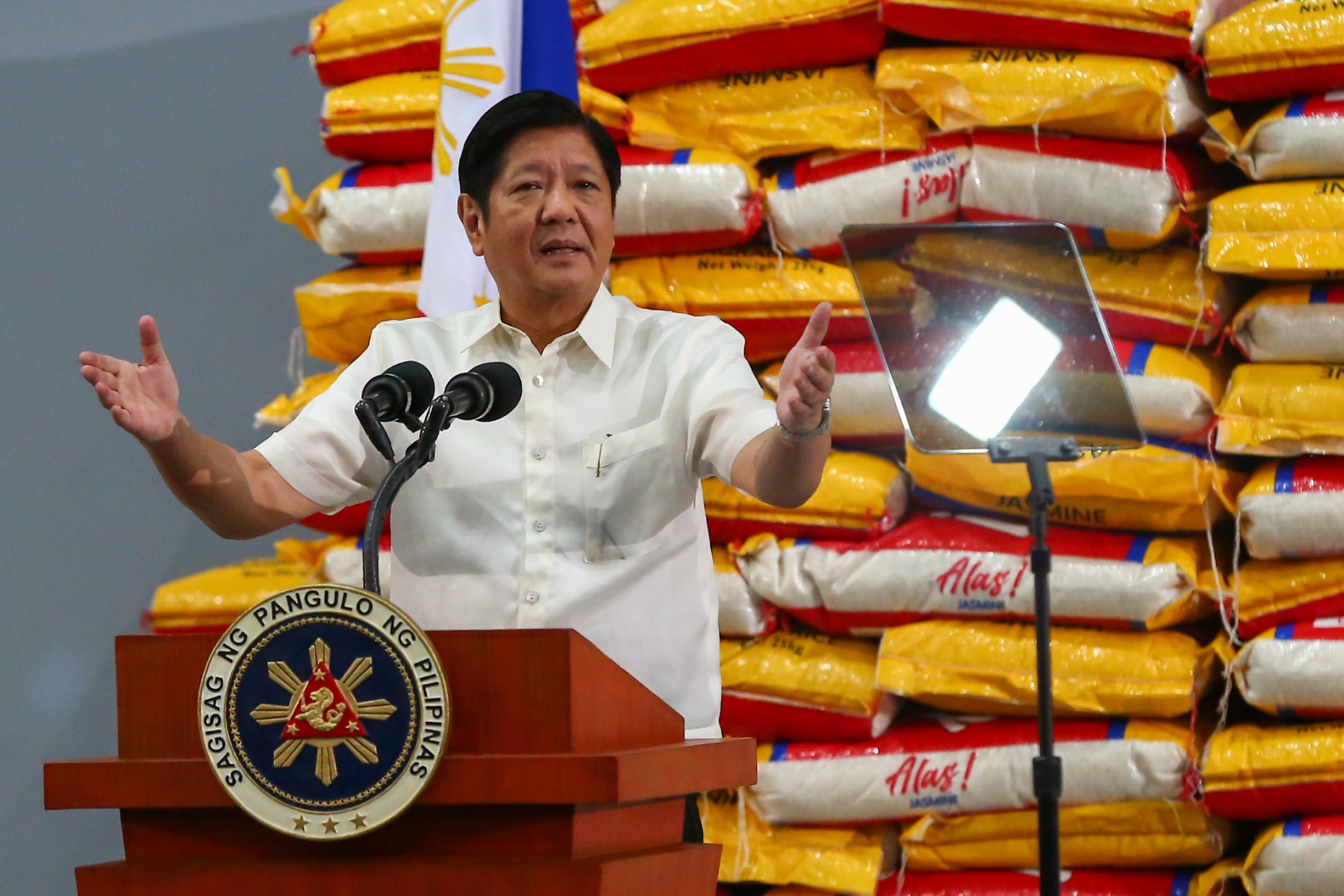
Marcos said this after Malacañang issued Executive Order (EO) No. 41 on Sept. 25, ordering local government units (LGUs) to suspend or discontinue the collection of some fees on roads they have not constructed or funded.
In an interview in Siargao, Surigao del Norte, on Sept. 29, the President said he issued EO 41 to ensure the smooth flow of products in the country.
"It's really about the ease of doing business and to simplify, again, the procedures that are required for the transporter to bring the produce, especially from the farm to market," he said.
Marcos said the order likewise lowers the transportation costs in delivering goods to different parts of the Philippines.
"We are doing this to ease the business and to lower the cost of transportation," he said.
"Kung dire-diretso ang truck sa kung saan siya pupunta talaga, mas mabilis, ibig sabihin, mas mura ang transportation (If the trucks will go straight to its destination, it would be faster and the transportation costs would be lower)," he added.
EO 41, made public on Sept. 29, prohibits LGUs from collecting toll fees and charges for all motor vehicles transporting goods or merchandise while passing through national roads and other roads not constructed and funded by them.
The local governments are "strongly urged" to suspend or discontinue the collection of fees such as but not limited to:
- Sticker fees
- Discharging fees
- Delivery fees
- Market fees
- Toll fees
- Entry fees
- Mayor's Permit fees
In his EO, President Marcos emphasized that the unauthorized imposition of pass-through fees significantly impacts transportation and logistics costs, which are often passed to consumers.