







The First Lady's gift to us may be our cultural awakening
First Lady of the Republic of the Philippines Louise "Liza" Araneta Marcos has just turned one year younger and so have many facets of Philippine culture.
By AA Patawaran


At A Glance
- Liza Araneta Marcos was born on August 21, 1959.
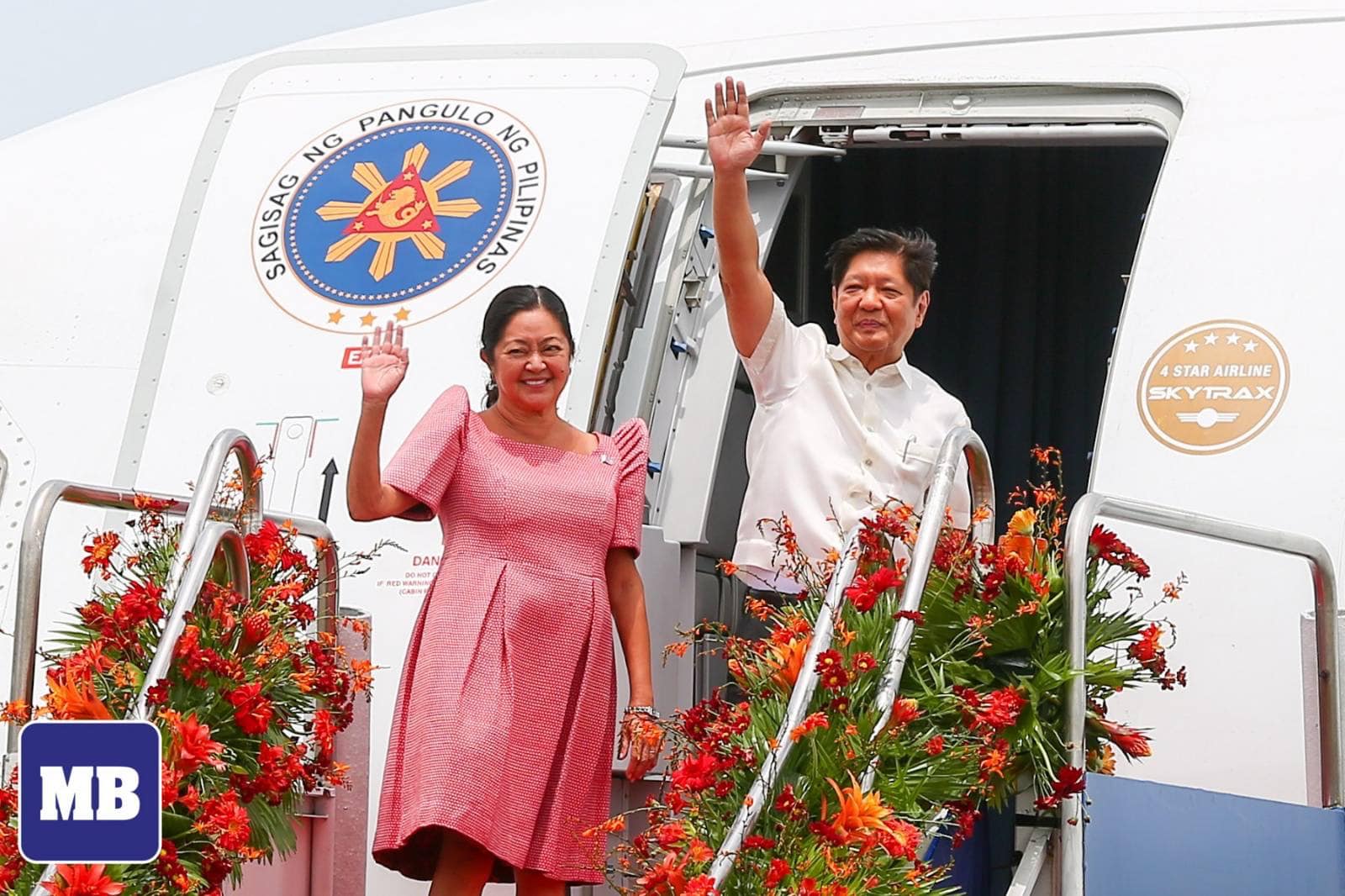
Louise “Liza” Araneta Marcos, First Lady of the Republic of the Philippines, LAM to those who have known her, has just turned one year younger, and so have many facets of Philippine culture.
It’s nice to have a lady in the house or, in this case, the palace. Although it isn’t addressed in the constitution, public service is inherent in the role of the First Lady, especially as Malacañan Palace serves both as the seat of government and the official residence of the presidential family.
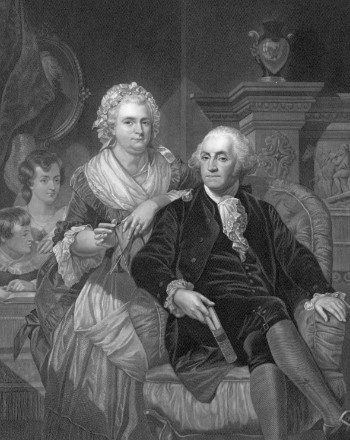
In an article published by the George W. Bush Library, the role is defined a “itself a social surrogate for many of the ceremonial functions of the Presidency.”
But the role, since George Washington referred to his wife in reverence as “Lady Washington,” has evolved beyond ceremonial surrogacy. To a people who looks to the presidency for hope, guidance, and help, the First Lady is also the alter ego of the chief executive, the compassionate ear, the shoulder to cry on, the tap on the back, and the champion of their most fervent dreams and causes.
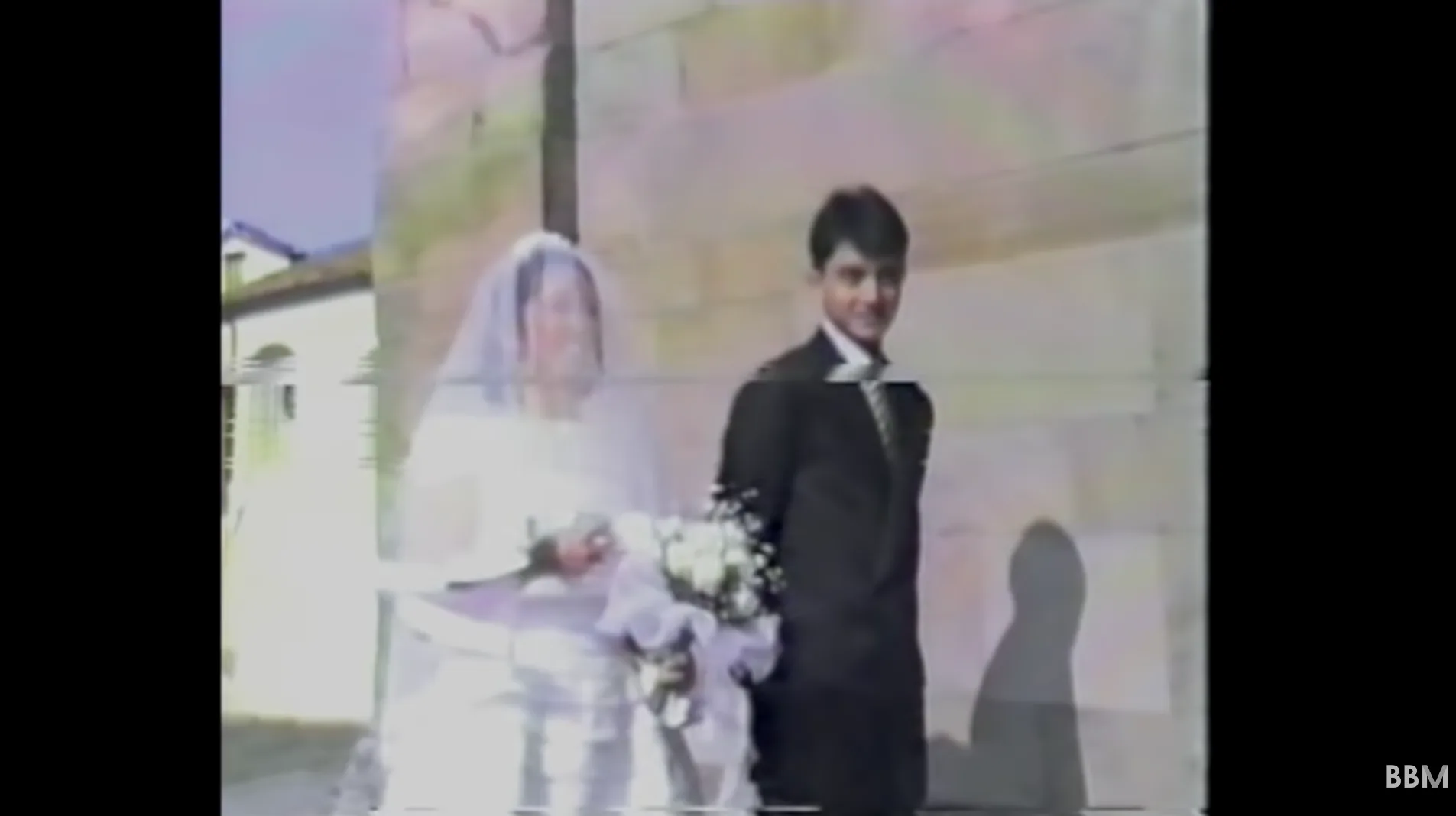
Even outside of her marriage, before she met her husband, President Ferdinand R. Marcos Jr. (PBBM), whom she met in New York in 1987 and married six years later in 1993 at the San Francesco Convent in Fiesole, Italy, LAM has always been a woman of her own, her “own role model,” as she would say on the presidential campaign trail in 2022.
Education is at the core of LAM’s personal advocacies. A lawyer, who once set up her own law firm, M & Associates, from which she had divested soon after her husband took his oath as President, she is a law professor. She has taught at various universities, including Far Eastern University, Mariano Marcos State University, Pamantasan ng Lungsod ng Maynila, Northwestern University, and St. Louis University.
Despite the sea changes in her personal life, she is still teaching Criminal Law at the West Visayas State University in Iloilo City. Inextricable from her embrace of the legal profession, she is serious about keeping her hat on as a “man for others,” a key principle in her Jesuit education.
Late last year, LAM also launched the Presidential Library on the second floor of the National Library of the Philippines, all to make sure that the public would have easy access to Malacañan’s priceless collection of books, such as books on Philippine culture and heritage and piles upon piles of law books, including first editions, which she was sure law students like she was would lust after. She is a staunch advocate of libraries, which she regards as indispensable tools in nation-building, serving as “a haven for students, researchers, members of the academe, and practically everybody, rich or poor, who wants to know more about our history and our country.”

No previous administration in recent history has been as keen on giving focus to culture and heritage, and that’s thanks to LAM, who doesn’t lose sight of these intangible treasures while her husband’s government is busy on the more “practical” issues of our time like poverty, food production, economics, and geopolitics.
Her many initiatives as First Lady are prompted by her personal, passionate belief in the preservation of Filipino culture. It was with her guidance that a full-scale cultural mapping of Ilocos Norte had been carried out, along with the refurbishment of Museo Ilocos Norte, first opened in 1999 as an initiative of PBBM when he was governor, in a former Tabacalera building, and the boost that has of late been given to inabel or Abel Iloco, a weaving tradition native to Northern Luzon.

In the Malacañan complex, she spearheaded the repurposing of three heritage mansions previously abandoned to the ravages of time. In so doing, not only in her desire to make the Filipino proud of their historic past, but also to keep the lessons of the past in mind, she has turned Bahay Ugnayan, a 19th-century home on J.P. Laurel Street donated by the Madrigal Family to the government before World War II, into a museum of memorabilia from her husband’s 2022 bid for the presidency, including the electoral protest documents involving his archrival on the “road to Malacañang,” former Vice President Leni Robredo, as well as a piece of barbed wire with a yellow ribbon tied to it as a symbol of People Power, which drove the Marcos family from the palace in 1986.
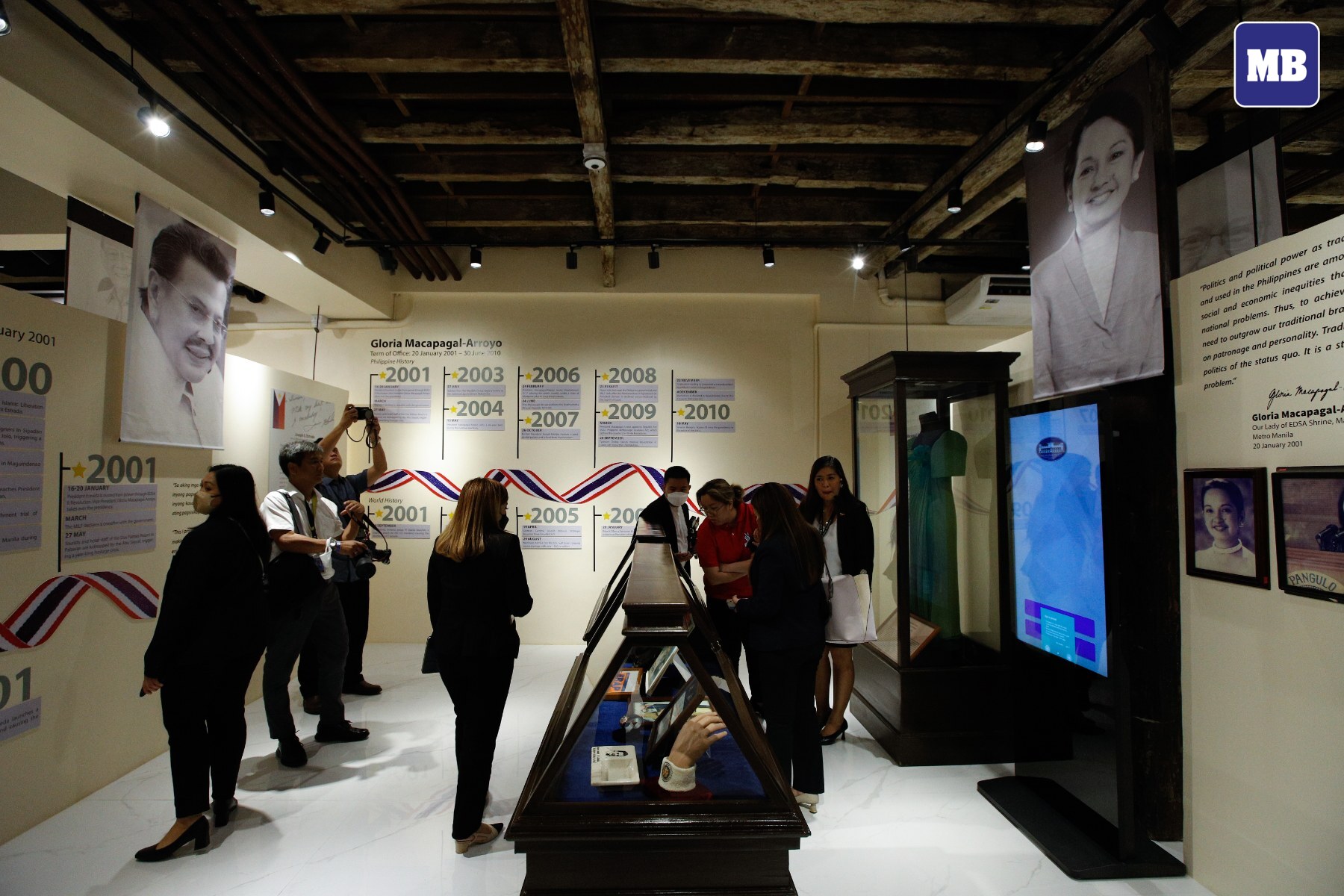
The Teus House, which once belonged to a Basque migrant, Valentin Teus Yrissari, who arrived in the country in 1847 as a 15-year-old with nothing but the shirt on his back and later became the primera de alkalde of the Ayuntamiento de Manila, is now the Presidential Museum, a rich, immersive walk through the lives and times of the 17 presidents of the Philippines, from 1998 to 2022, from Emilio Aguinaldo to PBBM.
Despite all the upheavals, the museum, with its Neo-Gothic blue and white façade and its wide piedra china-paved courtyard, stands as proud as the original owner must have been, who built it in the 1870s and whose descendants owned it until the late 1970s, when it was sold to the government through the efforts of former First Lady Imelda Romualdez Marcos.
The Goldenberg Mansion, next door to the Teus manse, near the San Miguel Church, was built by the Eugster family in the late 1800s. Soon after it was acquired by the auditor of the Supreme Court during the Spanish occupation, it became the residence of an admiral in the Spanish Navy from 1897 to 1898, after which it served as the Royal Navy Club until General Arthur MacArthur converted it into his home and headquarters. In 1908, it turned into a school building for the Philippine School of Commerce and, eight years later, in 1916, it housed the first session of the first Philippine senate. In later years, it turned into a nightclub and then the home of American businessman Michael Goldenberg, from whom Imelda Marcos purchased it in 1966 and later restored it with the help of national artist Leandro Locsin.

Such rich, colorful history cannot be left to rot away, so LAM drew the curtains to let the light of the new times in, so now the Goldenberg Mansion is home to the Goldenberg Series, a showcase of the vibrancy of Filipino culture, “from enthralling performances to enlightening exhibitions and educational programs,” according to a statement made by the Presidential Communications Office. The statement also said that “The Goldenberg Series serves as a stepping stone for emerging artists and cultural practitioners, providing them the opportunity to showcase their talents and contribute to the preservation and promotion of the country’s cultural identity.”
These three historical structures, though undergoing continued restoration, are part of the Malacañang Heritage Tours spearheaded by LAM to help drum up awareness and appreciation of Philippine heritage among the Filipino public.
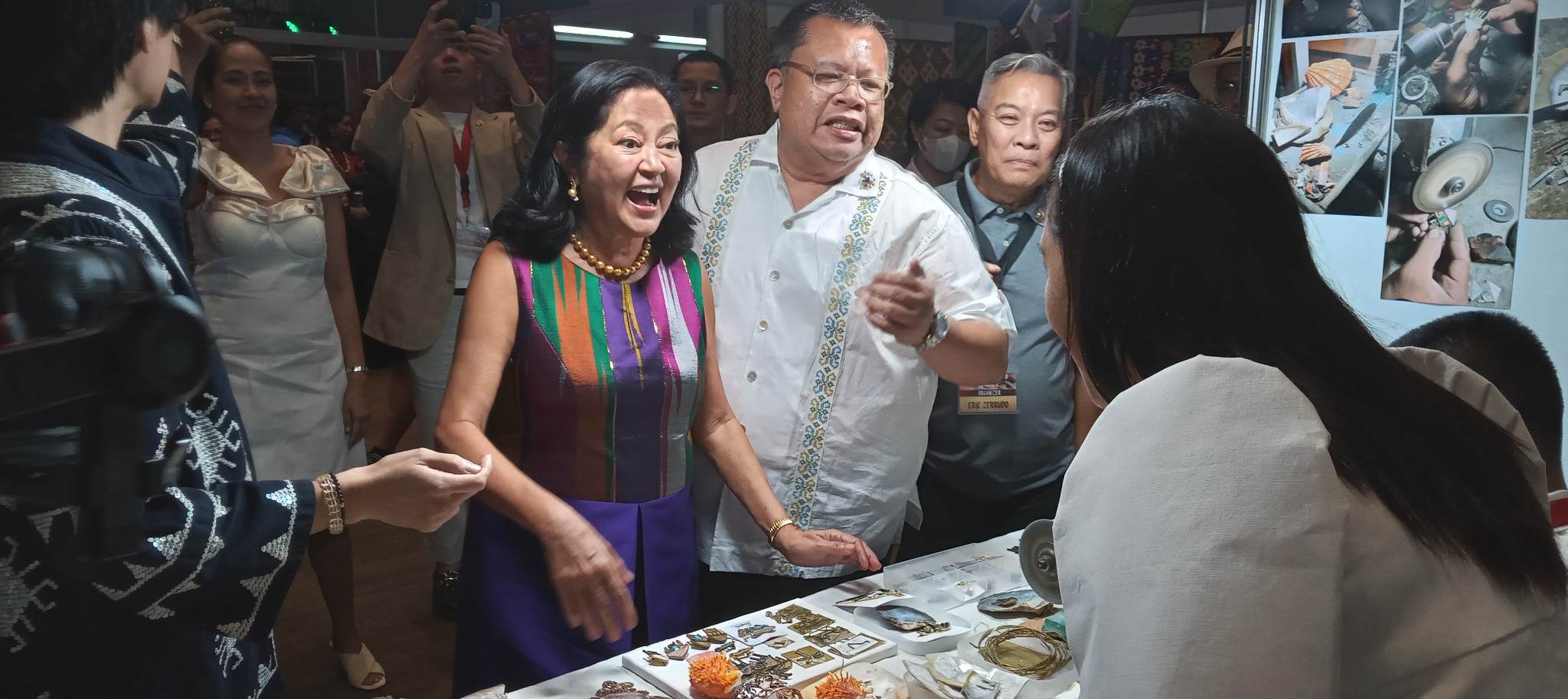
On the fashion front, one of her strong suits as a consistent champion of local fashion, LAM has upped the game for Filipiniana, giving many of our homegrown designers the opportunity not only to showcase their talents, but to reimagine the local dress, returning traditional and indigenous crafts like handweaving, embroidery, and beadwork to the forefront of what’s stylish for Filipinos today, young and old. LAM has many more projects, but not one to toot her own horn and one who is trying her very best to stay away from the limelight, they are mostly under wraps. We’ll know about them when they’re happening. Liza Araneta Marcos was born on Aug. 21, 1959.