







How to enjoy Noche Buena feast without 'overindulging'


As the holiday season approaches, we all know how much Filipinos enjoy preparing for the Noche Buena feast; however, a dietitian from the National Nutrition Council (NNC) urged the public to practice food moderation in order to avoid overconsumption and maintain good health.
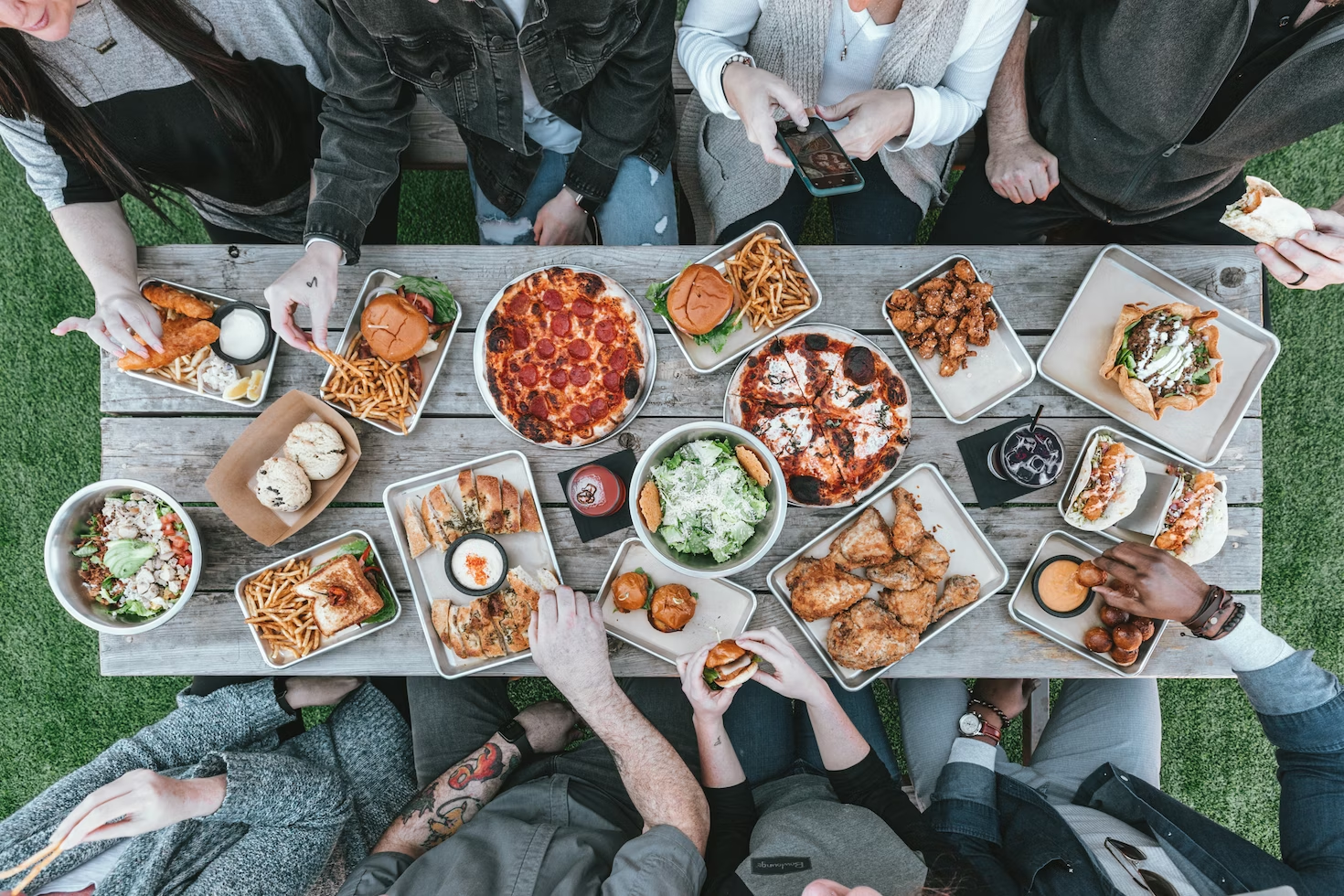
Food moderation is key
Pamela Diane Yanga, a registered dietitian nutritionist and media specialist at NNC, emphasized the value of "food moderation" for the forthcoming Noche Buena in a televised interview on Friday, Dec. 22, even though there are no set holiday eating guidelines.
She encouraged everyone to follow the “Pinggang Pinoy,” a visual food plate for Filipinos that shows the proper ratios of food groups for a balanced meal that satisfies the energy and nutritional needs of adults or a specific group.
This food tool has been developed by the Food and Nutrition Research Institute (FNRI) of the Department of Science and Technology (DOST), in collaboration with the World Health Organization (WHO), Department of Health (DOH), and the NNC, to help Filipinos with this concern.
Mindful eating, self-control matters
"Holiday foods are often high in fat, sugar, and sodium, leading to weight gain if uncontrolled," Yanga explained.
She suggested eating in moderation, choosing healthy foods like salad greens, and sticking to fruit instead of sugary drinks in order to maintain an energy balance.
"Choose healthier food items at the party. If there are salad greens, eat them, and as for the dessert, you can have healthier alternatives such as fruit. Instead of soft drinks and alcoholic beverages, you can just consume water," the dietitian said.
She also underscored the value of mindful eating, which is very important this holiday season, and encouraged the public to eat according to need and to only take food they can consume.
Proper handling, storing of food
Yanga also suggested alternative cooking methods like roasting or grilling to reduce fat content.
"Avoid getting burned because, based on the studies, there is an effect when we consume too much burnt or burned food," she said.
She noted that it would also help to remember to trim excess fat from meats and explore protein alternatives like fish or tofu because they are protein sources and reduce sugar and sodium intake.
Meanwhile, "when preparing the food, keep raw and cooked foods separate to avoid cross-contamination," she emphasized to ensure thorough cooking to eliminate harmful bacteria and properly refrigerate leftovers.
Moreover, cook the food items thoroughly to avoid "undercooked" and completely avoid the bacteria open to "foodborne illnesses."
The expert also stressed the importance of remembering the golden rule—"when in doubt, throw it out!"
Avoid overindulging
Given this, the dietitian pointed out that overindulging can lead to weight gain and increase the risk of non-communicable diseases like heart disease, diabetes, and cancer.
"Avoid overindulging to the point that the body consumes too much. Let's remember that the main role of food is to provide nourishment to our body," Yanga said.
Furthermore, the public should know their limited intake of “ma foods”—“maalat (salty),” “mataba (fatty),” and “matamis (sugary).”
Most importantly, the dietitian stressed the importance of exercising regularly for at least 30 minutes daily.
"Engage in some fun physical activities before, during, or after the festivities to help burn off those extra calories," she added.
RELATED STORY:
https://mb.com.ph/2023/12/15/doh-urges-public-to-practice-ligtas-na-christmas-guidelines-as-holiday-nears