

ADVERTISEMENT

Prevailing 'strong' El Niño comparable to severe event of 1997-1998 — DOST chief

Published Dec 12, 2023 08:57 am

The Department of Science and Technology (DOST) said the current strong El Niño phenomenon is "comparable" to the “worst” episode that occurred from 1997 to 1998.
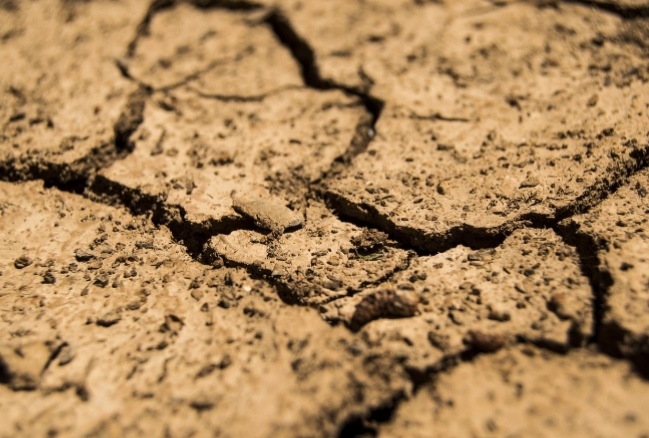
El Nino.jpg
Photo from Pixabay

In a televised briefing on Tuesday, Dec. 12, DOST Secretary Renato Solidum Jr. said plans and actions must be in place, citing the severity of the current El Niño as the worst occurrence.

"Strong ang indication ng El Niño, so we have to prepare. And if I recall, is it similar to the ‘97/’98 episode? Comparable to ‘97/’98 (The indication of El Niño is strong, so we have to prepare. And if I recall, is it similar to the ‘97/’98 episode? Comparable to ‘97/’98)," Solidum said.

The 1997 to 1998 El Niño phenomenon caused severe rainfall shortage which affected different regions globally including the Philippines in October of the said year when there were also reports from the World Health Organization (WHO) of sickness, deaths, and famine in most affected countries.

On Dec. 6, the DOST-PAGASA (Philippine, Atmospheric, Geophysical and Astronomical Services Administration) in its El Niño Advisory No. 6 stated there is a strong El Niño in the tropical Pacific which "further intensified."

The El Niño, which is near its peak in the coming months at sea surface temperature anomalies of more than 1.5 degrees centigrade, will likely continue until the second quarter of 2024, said DOST-PAGASA.

Moreover, it said by the end of May, 77 percent of the provinces in the country may experience drought while 7 percent may have dry spell conditions.

Related stories:

https://mb.com.ph/2023/11/22/20-luzon-areas-may-experience-dry-spell-by-end-2023-pagasa-1

https://mb.com.ph/2023/11/22/pagasa-confirms-strong-el-nino-1

Solidum said the phenomenon will have its effects on agriculture and wanted to make sure that the water, energy, and agriculture will not be affected too much.

"Because that was really an issue that was very instrumental in making sure that we really need to prepare for this kind of event," Solidum said.

"So that is the critical thing, we need to have food stocks and making sure that enough water and energy are available. So distribution is also a very crucial thing," he added.

Meanwhile, Solidum said that from April to May 2024, up to 41°C actual temperature could be experienced in Northern Luzon, while the heat index in Metro Manila may reach 38.3°C.

In lowland Luzon, 39.9°C will be the heat index while 39.5°C in Mindanao in April or May 2024.

Related Tags

DOST Secretary Renato Solidum Jr. department of science and technology El Niño
ADVERTISEMENT
.most-popular .layout-ratio{ padding-bottom: 79.13%; } @media (min-width: 768px) and (max-width: 1024px) { .widget-title { font-size: 15px !important; } }

{{ articles_filter_1561_widget.title }}

.most-popular .layout-ratio{ padding-bottom: 79.13%; } @media (min-width: 768px) and (max-width: 1024px) { .widget-title { font-size: 15px !important; } }

{{ articles_filter_1562_widget.title }}

.most-popular .layout-ratio{ padding-bottom: 79.13%; } @media (min-width: 768px) and (max-width: 1024px) { .widget-title { font-size: 15px !important; } }

{{ articles_filter_1563_widget.title }}

{{ articles_filter_1564_widget.title }}

.mb-article-details { position: relative; } .mb-article-details .article-body-preview, .mb-article-details .article-body-summary{ font-size: 17px; line-height: 30px; font-family: "Libre Caslon Text", serif; color: #000; } .mb-article-details .article-body-preview iframe , .mb-article-details .article-body-summary iframe{ width: 100%; margin: auto; } .read-more-background { background: linear-gradient(180deg, color(display-p3 1.000 1.000 1.000 / 0) 13.75%, color(display-p3 1.000 1.000 1.000 / 0.8) 30.79%, color(display-p3 1.000 1.000 1.000) 72.5%); position: absolute; height: 200px; width: 100%; bottom: 0; display: flex; justify-content: center; align-items: center; padding: 0; } .read-more-background a{ color: #000; } .read-more-btn { padding: 17px 45px; font-family: Inter; font-weight: 700; font-size: 18px; line-height: 16px; text-align: center; vertical-align: middle; border: 1px solid black; background-color: white; } .hidden { display: none; }
function initializeAllSwipers() { // Get all hidden inputs with cms_article_id document.querySelectorAll('[id^="cms_article_id_"]').forEach(function (input) { const cmsArticleId = input.value; const articleSelector = '#article-' + cmsArticleId + ' .body_images'; const swiperElement = document.querySelector(articleSelector); if (swiperElement && !swiperElement.classList.contains('swiper-initialized')) { new Swiper(articleSelector, { loop: true, pagination: false, navigation: { nextEl: '#article-' + cmsArticleId + ' .swiper-button-next', prevEl: '#article-' + cmsArticleId + ' .swiper-button-prev', }, }); } }); } setTimeout(initializeAllSwipers, 3000); const intersectionObserver = new IntersectionObserver( (entries) => { entries.forEach((entry) => { if (entry.isIntersecting) { const newUrl = entry.target.getAttribute("data-url"); if (newUrl) { history.pushState(null, null, newUrl); let article = entry.target; // Extract metadata const author = article.querySelector('.author-section').textContent.replace('By', '').trim(); const section = article.querySelector('.section-info ').textContent.replace(' ', ' '); const title = article.querySelector('.article-title h1').textContent; // Parse URL for Chartbeat path format const parsedUrl = new URL(newUrl, window.location.origin); const cleanUrl = parsedUrl.host + parsedUrl.pathname; // Update Chartbeat configuration if (typeof window._sf_async_config !== 'undefined') { window._sf_async_config.path = cleanUrl; window._sf_async_config.sections = section; window._sf_async_config.authors = author; } // Track virtual page view with Chartbeat if (typeof pSUPERFLY !== 'undefined' && typeof pSUPERFLY.virtualPage === 'function') { try { pSUPERFLY.virtualPage({ path: cleanUrl, title: title, sections: section, authors: author }); } catch (error) { console.error('ping error', error); } } // Optional: Update document title if (title && title !== document.title) { document.title = title; } } } }); }, { threshold: 0.1 } ); function showArticleBody(button) { const article = button.closest("article"); const summary = article.querySelector(".article-body-summary"); const body = article.querySelector(".article-body-preview"); const readMoreSection = article.querySelector(".read-more-background"); // Hide summary and read-more section summary.style.display = "none"; readMoreSection.style.display = "none"; // Show the full article body body.classList.remove("hidden"); } document.addEventListener("DOMContentLoaded", () => { let loadCount = 0; // Track how many times articles are loaded const offset = [1, 2, 3, 4, 5, 6, 7, 8, 9, 10]; // Offset values const currentUrl = window.location.pathname.substring(1); let isLoading = false; // Prevent multiple calls if (!currentUrl) { console.log("Current URL is invalid."); return; } const sentinel = document.getElementById("load-more-sentinel"); if (!sentinel) { console.log("Sentinel element not found."); return; } function isSentinelVisible() { const rect = sentinel.getBoundingClientRect(); return ( rect.top < window.innerHeight && rect.bottom >= 0 ); } function onScroll() { if (isLoading) return; if (isSentinelVisible()) { if (loadCount >= offset.length) { console.log("Maximum load attempts reached."); window.removeEventListener("scroll", onScroll); return; } isLoading = true; const currentOffset = offset[loadCount]; window.loadMoreItems().then(() => { let article = document.querySelector('#widget_1690 > div:nth-last-of-type(2) article'); intersectionObserver.observe(article) loadCount++; }).catch(error => { console.error("Error loading more items:", error); }).finally(() => { isLoading = false; }); } } window.addEventListener("scroll", onScroll); });

Sign up by email to receive news.