







PAGASA confirms 'strong' El Niño


The Philippine Atmospheric, Geophysical and Services Administration (PAGASA) on Wednesday, Nov. 22 said a "strong" El Niño is now prevailing.
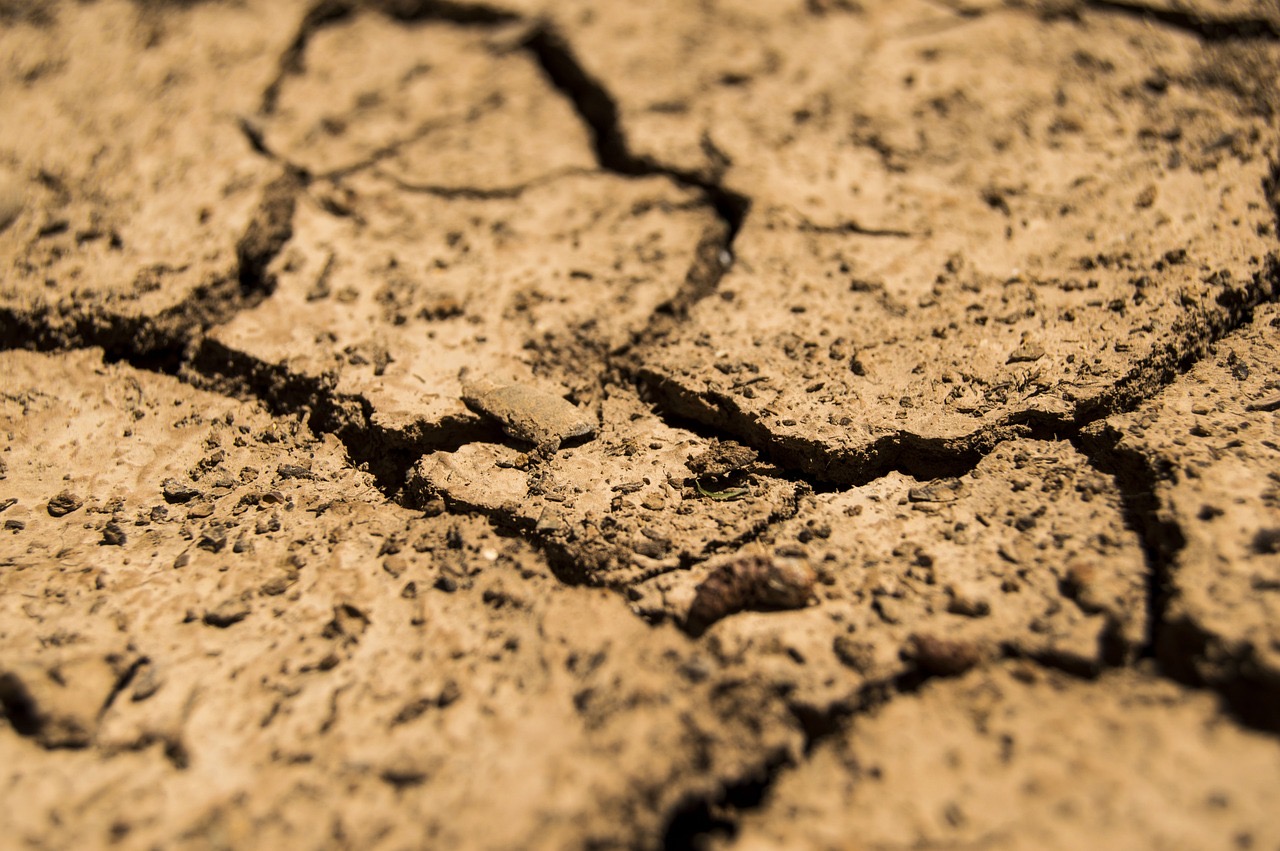
This means that the effect of El Niño on the country may be more severe and last longer.
Citing the PAGASA’s El Niño Advisory No. 5, Climatology and Agrometeorology Division-Climate Monitoring and Prediction Section (CAD-CLIMPS) Senior Weather Specialist Rusy Abustillas said the sea surface temperature anomalies (SSTAs) have reached more than 1.5°C, which means that El Niño has reached the "strong" category.
PAGASA said El Niño increases the potential to have "below-normal" rainfall condition, which may cause dry spells and drought in the country.
Meanwhile, the country will experience the peak intensity of El Niño between November 2023 and January 2024, it pointed out.
PAGASA added that the El Niño phenomenon may persist until the first quarter of 2024.