

ADVERTISEMENT

The ugly facts of eating disorders

As we age, we become more conscious of our looks and physique. Peer pressure is one of the most common reasons to strive for a better appearance.

Published Nov 9, 2023 07:00 am

By Athena Trifonia Rueda-Tiglao, RND, MAEd 

A healthy body comes with a healthy state of mind. The power of the brain depends on the kind and amount of food we take in daily. Ultimately, how we look at it will vary based on our psychological state of mind. 

One of my favorite topics on weight management for discussion is “Eating Disorders Due to Psychological Problems.” Let me share my insights on three types of these eating disorders. 

The issues may have started during puberty, when one undergoes body changes. Some have good body shapes while others not due to various physiological factors. 

As we age, we become more conscious of our looks and physique. Peer pressure is one of the most common reasons to strive for a better appearance. Several have just gone through relationship breakups, matrimonial divorces, or even the death of their loved ones. These conditions are experienced as we mature, leading to anxiety and depression. The hypothalamus, which controls the hormones, becomes greatly affected. 


This results in these eating disorders. 
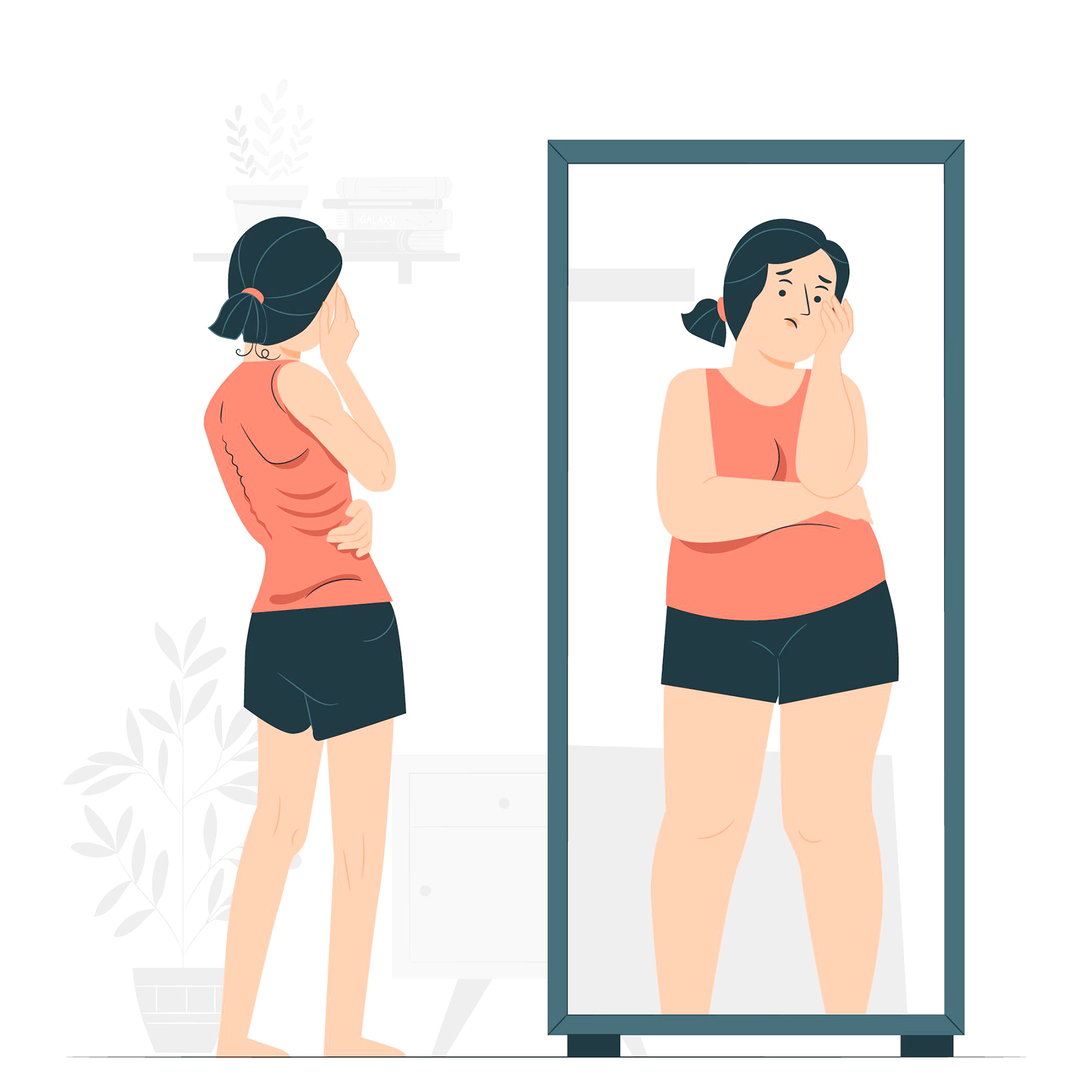
Anorexia.jpg

Anorexia

This is characterized by having a severe fear of gaining weight. It is the condition where one thinks they are gaining poundage despite being underweight. They believe that gaining even just to attain their ideal body would make them look ugly. Their obsession to remain thin resorts to fasting, excessive workouts, and taking laxatives or diuretics. Their mindset tells them that “slim is in.” 
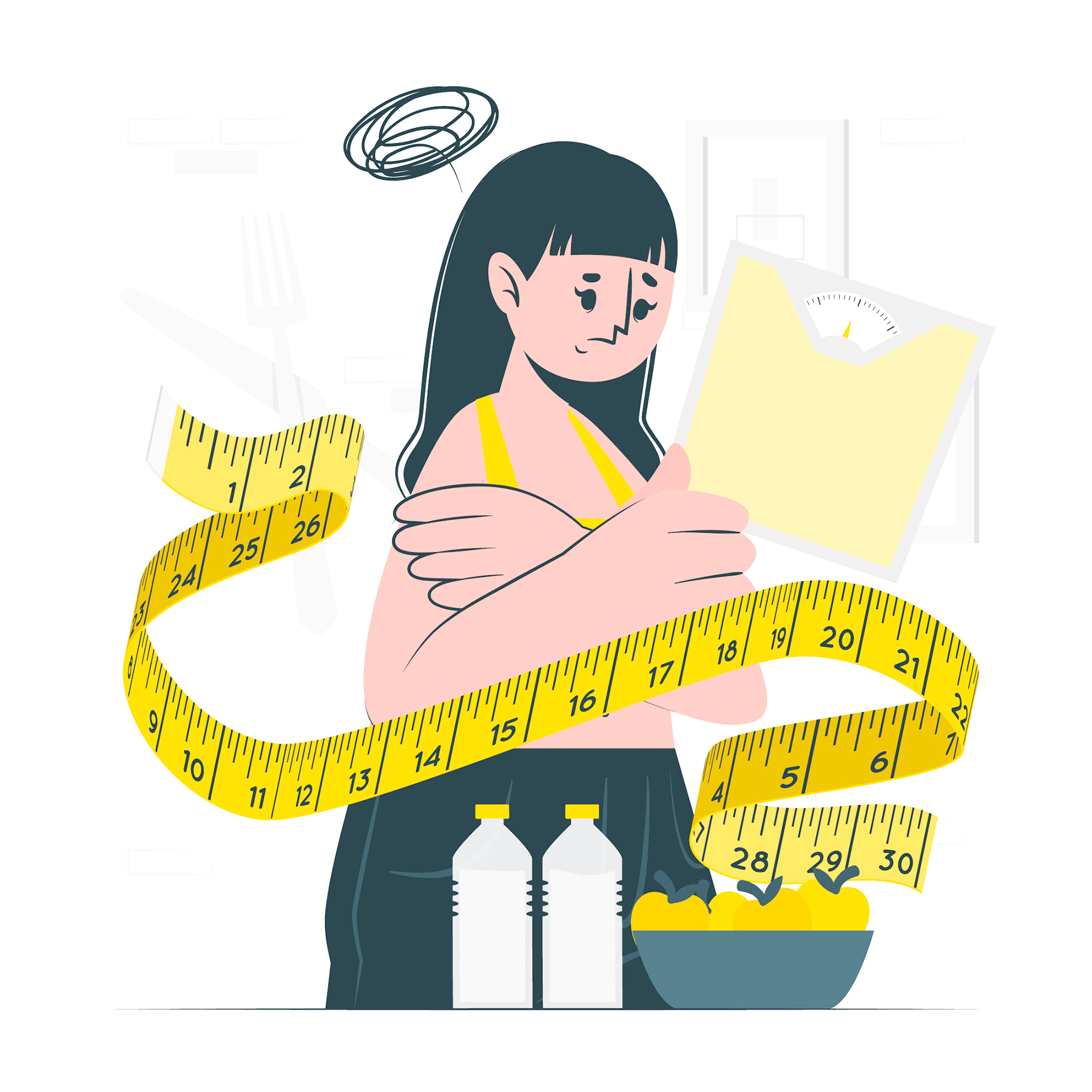
Bulimia Nervosa.jpg

Bulimia Nervosa

Believe it or not, you may not distinguish the looks of the one having this disorder. They look like anyone with just a regular physique. Similar to anorexia, they also have the fear to gain weight but because of their uncontrollable appetite, they will definitely give in to their cravings. But on one condition: They have to get rid of those calories through forced vomiting, purging, and excessive exercise. 
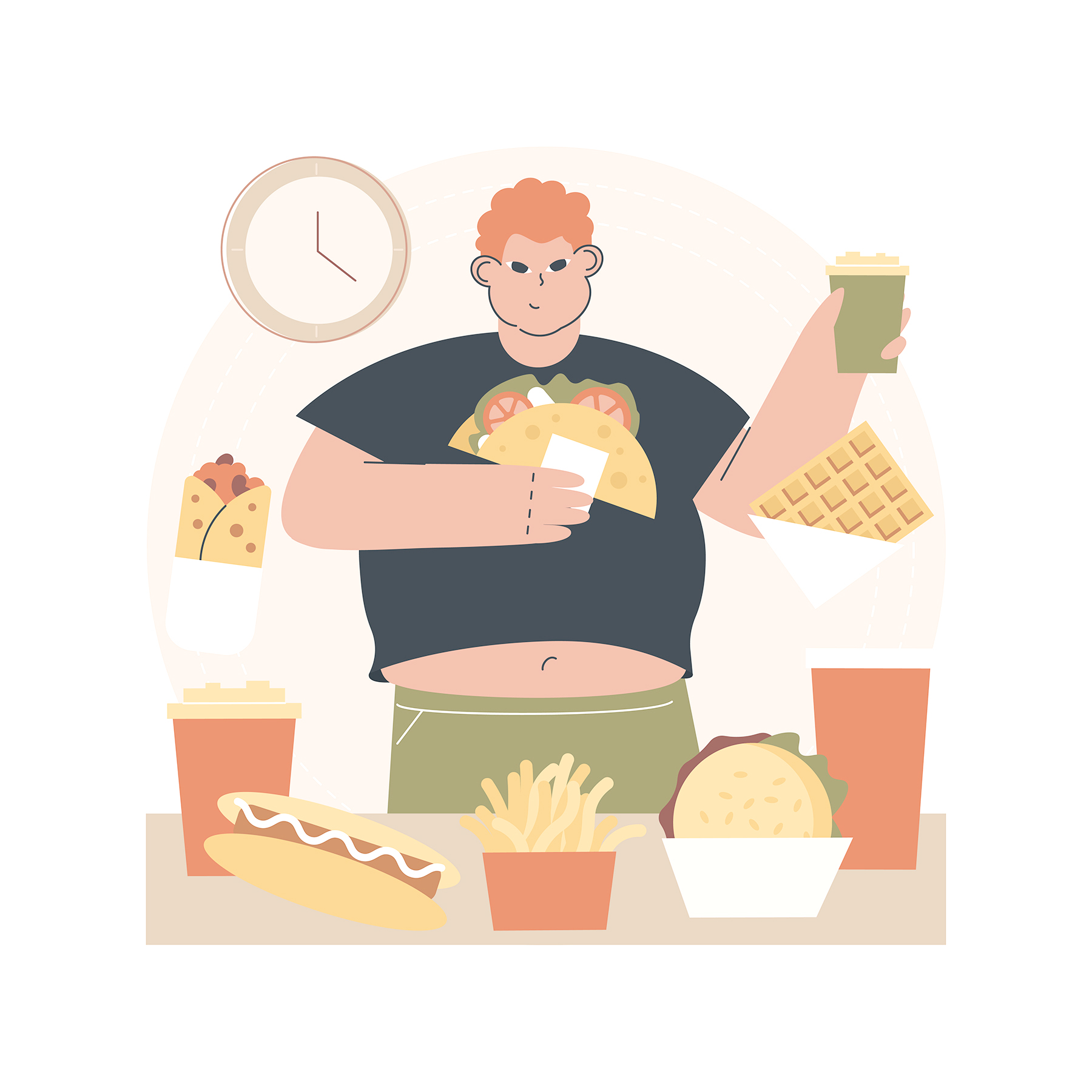
Binge-eating.jpg

Binge-eating Disorder

A lot of people unconsciously do this whenever they eat. They have the mentality not to eat in bulk because it will make them gain weight. Instead, they will just eat finger foods or small snacks as often as they like anytime and anywhere, while watching TV, doing their homework, or just merely chatting with their friends. 


All three disorders call for diet counseling and psychotherapy. Medical and nutritional treatment might be of great help, too.


But the best would be to extend a caring heart, which will make them feel they belong and are loved. Serve them with appetizing meals that will brighten up their days. Be a support system that shares about having a positive perception in life.

A variety of healthy food choices will certainly nourish their brains with hearty meals and beautiful thoughts. Remember the saying: You are what you eat. Stay fit and healthy!

REGIST~1.JPG

The author, a registered nutritionist-dietitian, is a culinary nutritionist and associate professor at the School of Hotel, Restaurant, and Institution Management (SHRIM) of De La Salle- College of Saint Benilde Manila (DLS-CSB). 


Related Tags

eating disorder De La Salle-College of Saint Benilde
ADVERTISEMENT
.most-popular .layout-ratio{ padding-bottom: 79.13%; } @media (min-width: 768px) and (max-width: 1024px) { .widget-title { font-size: 15px !important; } }

{{ articles_filter_1561_widget.title }}

.most-popular .layout-ratio{ padding-bottom: 79.13%; } @media (min-width: 768px) and (max-width: 1024px) { .widget-title { font-size: 15px !important; } }

{{ articles_filter_1562_widget.title }}

.most-popular .layout-ratio{ padding-bottom: 79.13%; } @media (min-width: 768px) and (max-width: 1024px) { .widget-title { font-size: 15px !important; } }

{{ articles_filter_1563_widget.title }}

{{ articles_filter_1564_widget.title }}

.mb-article-details { position: relative; } .mb-article-details .article-body-preview, .mb-article-details .article-body-summary{ font-size: 17px; line-height: 30px; font-family: "Libre Caslon Text", serif; color: #000; } .mb-article-details .article-body-preview iframe , .mb-article-details .article-body-summary iframe{ width: 100%; margin: auto; } .read-more-background { background: linear-gradient(180deg, color(display-p3 1.000 1.000 1.000 / 0) 13.75%, color(display-p3 1.000 1.000 1.000 / 0.8) 30.79%, color(display-p3 1.000 1.000 1.000) 72.5%); position: absolute; height: 200px; width: 100%; bottom: 0; display: flex; justify-content: center; align-items: center; padding: 0; } .read-more-background a{ color: #000; } .read-more-btn { padding: 17px 45px; font-family: Inter; font-weight: 700; font-size: 18px; line-height: 16px; text-align: center; vertical-align: middle; border: 1px solid black; background-color: white; } .hidden { display: none; }
function initializeAllSwipers() { // Get all hidden inputs with cms_article_id document.querySelectorAll('[id^="cms_article_id_"]').forEach(function (input) { const cmsArticleId = input.value; const articleSelector = '#article-' + cmsArticleId + ' .body_images'; const swiperElement = document.querySelector(articleSelector); if (swiperElement && !swiperElement.classList.contains('swiper-initialized')) { new Swiper(articleSelector, { loop: true, pagination: false, navigation: { nextEl: '#article-' + cmsArticleId + ' .swiper-button-next', prevEl: '#article-' + cmsArticleId + ' .swiper-button-prev', }, }); } }); } setTimeout(initializeAllSwipers, 3000); const intersectionObserver = new IntersectionObserver( (entries) => { entries.forEach((entry) => { if (entry.isIntersecting) { const newUrl = entry.target.getAttribute("data-url"); if (newUrl) { history.pushState(null, null, newUrl); let article = entry.target; // Extract metadata const author = article.querySelector('.author-section').textContent.replace('By', '').trim(); const section = article.querySelector('.section-info ').textContent.replace(' ', ' '); const title = article.querySelector('.article-title h1').textContent; // Parse URL for Chartbeat path format const parsedUrl = new URL(newUrl, window.location.origin); const cleanUrl = parsedUrl.host + parsedUrl.pathname; // Update Chartbeat configuration if (typeof window._sf_async_config !== 'undefined') { window._sf_async_config.path = cleanUrl; window._sf_async_config.sections = section; window._sf_async_config.authors = author; } // Track virtual page view with Chartbeat if (typeof pSUPERFLY !== 'undefined' && typeof pSUPERFLY.virtualPage === 'function') { try { pSUPERFLY.virtualPage({ path: cleanUrl, title: title, sections: section, authors: author }); } catch (error) { console.error('ping error', error); } } // Optional: Update document title if (title && title !== document.title) { document.title = title; } } } }); }, { threshold: 0.1 } ); function showArticleBody(button) { const article = button.closest("article"); const summary = article.querySelector(".article-body-summary"); const body = article.querySelector(".article-body-preview"); const readMoreSection = article.querySelector(".read-more-background"); // Hide summary and read-more section summary.style.display = "none"; readMoreSection.style.display = "none"; // Show the full article body body.classList.remove("hidden"); } document.addEventListener("DOMContentLoaded", () => { let loadCount = 0; // Track how many times articles are loaded const offset = [1, 2, 3, 4, 5, 6, 7, 8, 9, 10]; // Offset values const currentUrl = window.location.pathname.substring(1); let isLoading = false; // Prevent multiple calls if (!currentUrl) { console.log("Current URL is invalid."); return; } const sentinel = document.getElementById("load-more-sentinel"); if (!sentinel) { console.log("Sentinel element not found."); return; } function isSentinelVisible() { const rect = sentinel.getBoundingClientRect(); return ( rect.top < window.innerHeight && rect.bottom >= 0 ); } function onScroll() { if (isLoading) return; if (isSentinelVisible()) { if (loadCount >= offset.length) { console.log("Maximum load attempts reached."); window.removeEventListener("scroll", onScroll); return; } isLoading = true; const currentOffset = offset[loadCount]; window.loadMoreItems().then(() => { let article = document.querySelector('#widget_1690 > div:nth-last-of-type(2) article'); intersectionObserver.observe(article) loadCount++; }).catch(error => { console.error("Error loading more items:", error); }).finally(() => { isLoading = false; }); } } window.addEventListener("scroll", onScroll); });

Sign up by email to receive news.