








#MINDANAO
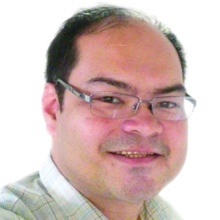
The first-ever investiture of the new president of the University of the Philippines (UP), Angelo Jimenez, took place recently at the UP Mindanao campus in Mintal, Davao City.
This event marks a milestone in the history of the premier state university. It is also the first time that a Mindanaoan has taken its helm. He is also the first former student regent, or representative of the student body in the university’s Board of Regents, to assume the presidency.
As an alumnus of the state university, I am aware of the vast internal and external networks of expertise the school can bring to solve contemporary problems and spur innovation in Mindanao. Many communities in Mindanao, particularly in its hinterlands, will need empowering enterprises to build the opportunity to be part of larger sustainable socio-economic development efforts.
Apart from developing talent to serve the nation, one of the less discussed roles of the university is to be a research innovator, a bringer of new, useful knowledge to the larger community. Exploring new ideas and concepts to pursue this goal is one of the foremost reasons for enshrining academic freedom. Developing new solutions to the often complicated chronic and emergent problems will require intense debate and discussion in this regard. It will require distilling ideas and concrete proposals from mere emotional sentiment.
This includes the capacity to search for new ideas and approaches without the shackles of prejudice that often hamper thought. It may also mean courageously putting forward these ideas in the public sphere without fear of ridicule, even if it may hold a mirror to some within the dominant intellectual elites, thoughtfully examining the “safe spaces” they aggressively protect and the biases or intellectual baggage they often expect everyone to carry.
This capability to be the nation’s thought leader is a key component of the shared value it creates for every Filipino stakeholder and taxpayer that contributes to its annual budget. This is the long game it must continue to play.
These include helping craft policies and programs with and for government agencies and developing technologies and approaches for inclusive development. UP has done much in this regard and must continue to do so.
Its role also involves assisting the larger economy and community, through enterprises by sharing their innovations in technology, skills, and capabilities to help them grow and transition in the ever-changing socio-economic landscape. Recent efforts by the UP Mindanao school of management to assist local businesses in Davao to develop strategic plans are commendable.
It will also mean that some academic departments of the university engage their collective knowledge by making available to the larger public the findings of key research activities, new ideas, and innovations especially those that can shed light on current constraints. Some areas include food and nutritional security, value-adding in agriculture, responsible mining, sustainable forestry, public health, cleaner production and manufacturing, upholding cultural heritage and diversity, and the well-being of families and local communities.
Many global universities publish these on social media platforms in formats easy for non-academics like me to digest and consider. There is a longer list of areas that I am sure you as a reader would like to add.
I am confident that expanding these and other efforts will be part of the UP agenda under its new president over the coming years. Mindanao is where these efforts will bear their finest fruits that can be shared with the rest of the country.