Pollinators play a vital role in the reproduction of plants by transferring pollen from the male parts of flowers to the female parts, enabling fertilization and the production of fruits and seeds. Without pollinators, many plants would struggle to reproduce and could even face extinction. In...
Tomato plants can benefit from artificial pollination, especially in greenhouse settings where natural pollinators may not be present or sufficient. (Martinez Gonzalez/Pexels) Pollination is the process by which pollen grains from the male part of a flower are transferred to the female part of the...
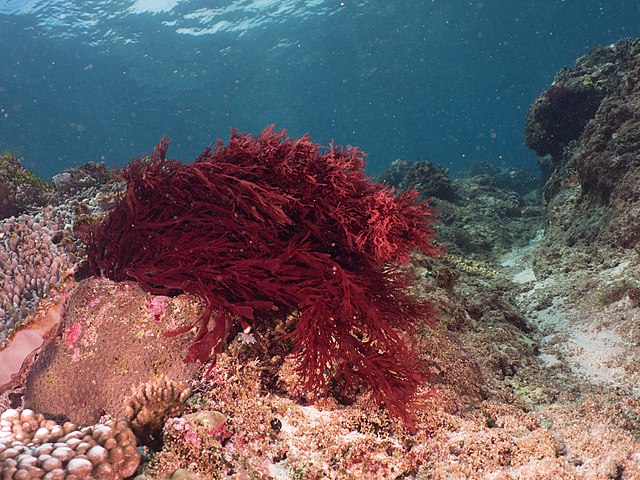
Photo by Rickard Zerpe from Wikimedia Commons . Pollination is not limited to plants on land. A new study shows that a red type of algae, Gracilaria gracilis , uses tiny crustaceans to disperse its sex cells in what looks like to be the aquatic version of pollination. The findings of this study...
Pollination of crops can take place in a variety of ways, either with the help of the wind, insects, or human hands. As strange as it may seem, according to a study, an electric toothbrush can help in pollination and be an effective booster of crop yields. Tomatoes and chilies are some plants...
The effects of the climate crisis, habitat loss, and pesticide use are the main contributors to the decline in the number of wild pollinators. Photo by Pexels from Pixabay. Because of this, growers have used “managed pollinators'' like commercial bumblebees to aid in their crop pollination....
Aside from bringing life to nature, butterflies, bees, and other pollinators play an essential role in keeping plants thriving. Some plants only attract certain types of pollinators, but others attract them all. Pollination takes place when pollen is carried from a flower’s stamen (male...