BAGUIO CITY – The City Health Services Office (CHSO) here will require establishments to implement pest control measures as a condition for obtaining or renewing business permits. Engr. Albert Pay-an, head of the CHSO Environmental Health and Sanitation Division (EHSD), said in an interview on...
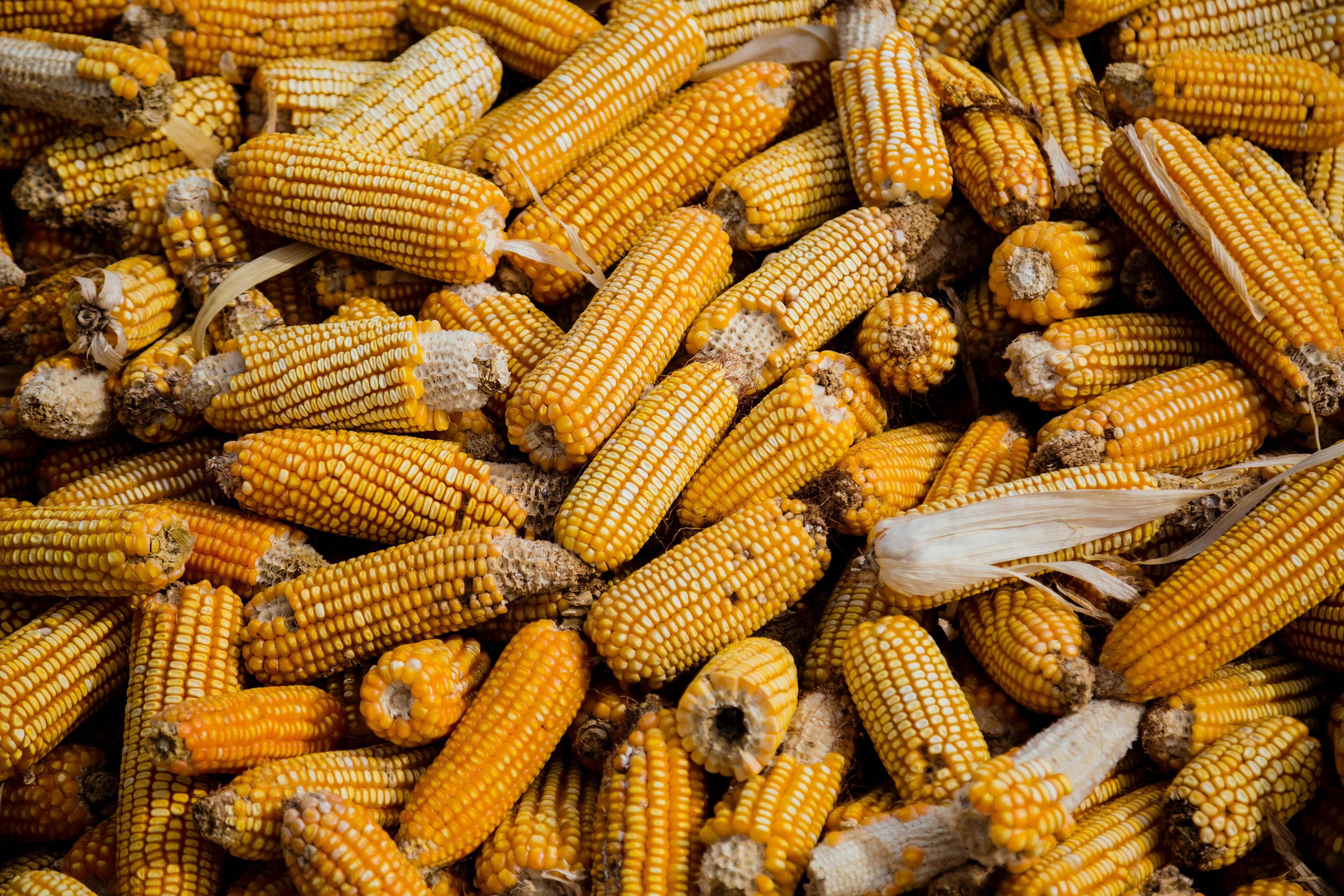
Corn (Livier Garcia/Pexels) Corn is a major crop in the Philippines, providing many people with food, feed, and income. However, the presence of aflatoxin poses a significant threat to both human health and the agricultural industry. Aflatoxin is a naturally occurring mycotoxin produced by certain...
Tools in shed (Rudy and Peter Skitterians/Pixabay) Proper sanitation and the thorough cleaning of tools and equipment are considered essential in maintaining a healthy and productive agricultural environment, as it directly impacts the health and productivity of agricultural operations. Farmers and...
Are you a gardener or someone who loves growing vegetables in your backyard? If so, you may have encountered various diseases and pests that can harm your precious plants. Fortunately, there are several common household products that can help you manage and prevent diseases in your vegetable...
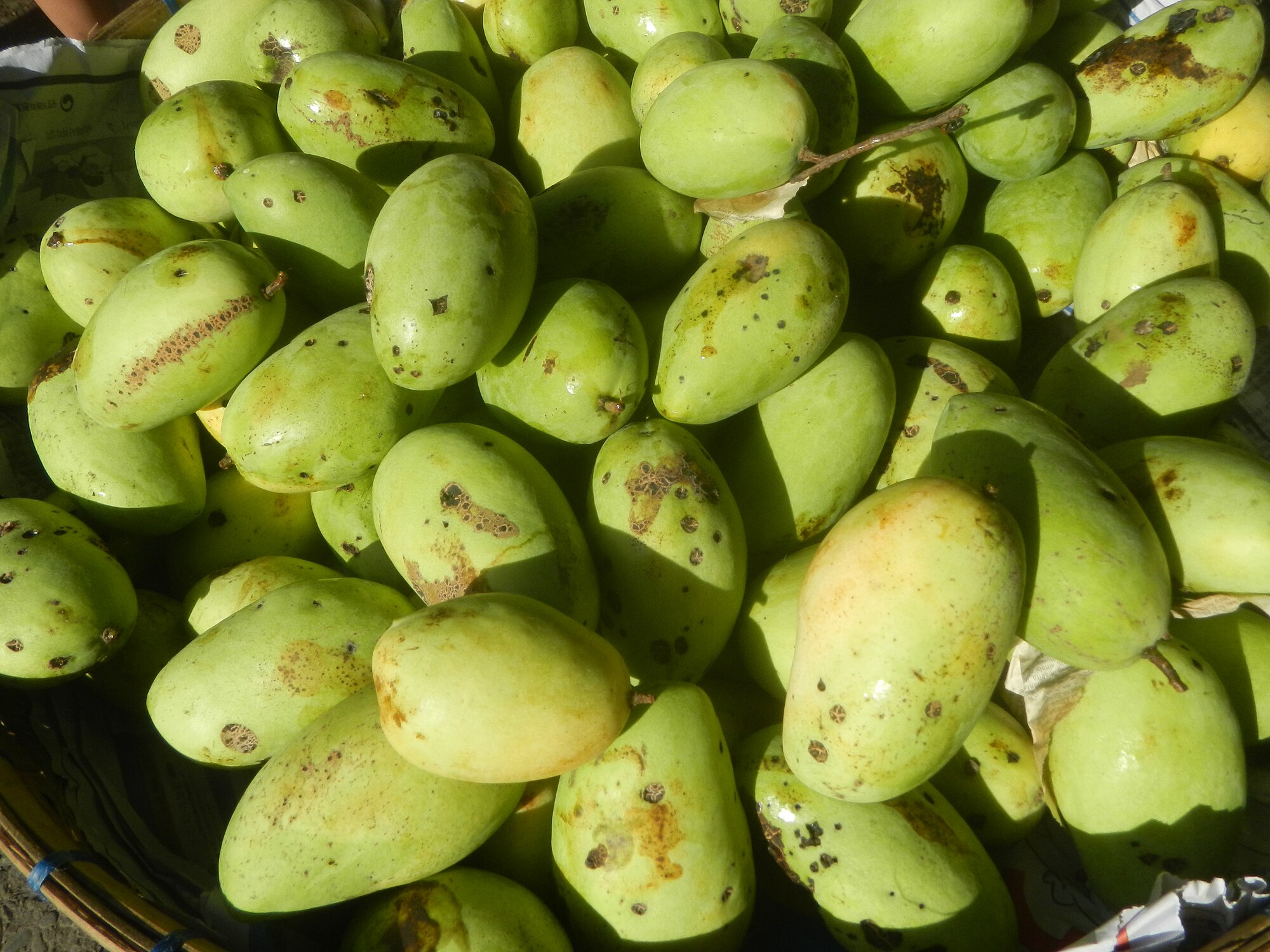
Cecid fly damage on mango fruits. (Judgefloro/Wikimedia Commons) The cecid fly (*Procantarinia spp*.), is a significant pest that affects mango trees in the Philippines. The cecid fly belongs to the Cecidomyiidae family and is commonly referred to as mango midge, leaf gall midge, gall fly, or mango...
Pest management is a critical aspect of farming and gardening, as pests and diseases can significantly impact crop health and productivity. To make informed decisions and implement effective pest management strategies, valuable tools such as the disease triangle can be used as a reference. This...
Rice black bug (*Scotinophara coarctata*), locally known as itim na atangya, alitangya, or nangisit a bangaw (Ilokano), is a major pest of rice. Aside from destroying rice plants and causing severe crop loss, they are also notoriously known for their foul odor when they swarm around lamp posts...
By Eleanore O. Hatta If there is one animal that is dreaded by both rural farmers and urban gardeners, it would be the ordinary yet potentially harmful rat. Why are rats given such a negative image? The most common reason is that rats eat crops from both farms and gardens. No, rats don’t eat...
According to the Fertilizer and Pesticide Authority of the Philippines (FPA), “pesticides are any substance or product intended to control, prevent, destroy, repel, or mitigate any pest directly or indirectly.” Legally, all commercial pesticides are required to have a label to inform the buyers...
(Photo by Felixioncool/Pixabay) By JAMES TABABA The previous article discussed the chemical practices of pest control, its risk, and why it is the last resort in implementing Integrated Pest Management.This article talks about the use of biotechnology and the regulatory laws in IPM. READ:...
By JAMES TABABA In the previous article, the biological management practices for pest control were discussed. Here, the potential risk of chemical pesticide misuse will be explained. Other chemical methods of pest control besides pesticides will be also introduced. READ: Introduction to Integrated...
What started out as a small company in the business of pest and termite management, Pest Science Corporation has steadily grown to be the trusted, first ISO-IMS certified pest control company in the Philippines. Sailing strong through both turbulent and calm waters of the industry, the company was...