Despite the dismal first-quarter growth mostly weighed down by world trade uncertainties, the Economist Intelligence Unit (EIU) sees the Philippine economy outperforming the region in 2025. "We will maintain our forecast of 6.1-percent growth this year, accelerating from 5.7 percent in 2024, making...
Another 25-basis-point (bp) interest rate cut by the Bangko Sentral ng Pilipinas (BSP) is widely expected at its monetary policy meeting next month, as inflation slides and economic growth weakens. In a May 9 report, Deutsche Bank Research said the lower-than-expected 5.4-percent gross domestic...
While the Philippine economy’s growth missed the lower end of the government’s six to eight percent target, the Department of Budget and Management (DBM) said the growth across major sectors further fuels the agency’s confidence in achieving the full-year growth goal. “The fact that all...
Malacañang said the recent poverty and food insecurity numbers are concrete signs that President Marcos ' anti-poverty programs are delivering results. File photo Communications Undersecretary Claire Castro said this after the latest OCTA Research survey showed that the number of Filipino...
Private sector economists have slashed their gross domestic product (GDP) growth forecasts for the Philippines to as low as five percent, citing the drag from shrinking exports and the broader impact of a global trade slowdown. Singapore-based UOB has substantially shaved its full-year growth...
Department of Trade and Industry (DTI) Secretary Cristina Roque said the 5.4 percent economic growth in the first quarter of the year is a testament to the economy’s “robust resilience,” fueled by strong consumer spending and industry contributions. Roque, who heads the government agency...
Robust government spending ahead of the May 12 elections likely sped up economic growth in the first quarter, despite private consumption largely being in wait-and-see mode as Filipinos save up, according to the research arm of global financial giant Deutsche Bank. In a May 3 report received by...
Singapore-based DBS Bank Ltd. expects a "resilient" first-quarter economic growth for the Philippines amid easing domestic inflation, despite global uncertainties wrought by the United States ' (US) tariff spree. In a May 5 report, DBS Group Research chief economist Taimur Baig and senior...
Inflation would likely fall to a five-year low in 2025, providing policy space for more interest rate cuts supportive of economic growth, according to the think tank Capital Economics. "We expect GDP [gross domestic product] growth in the Philippines to remain relatively strong in 2025, helped by...
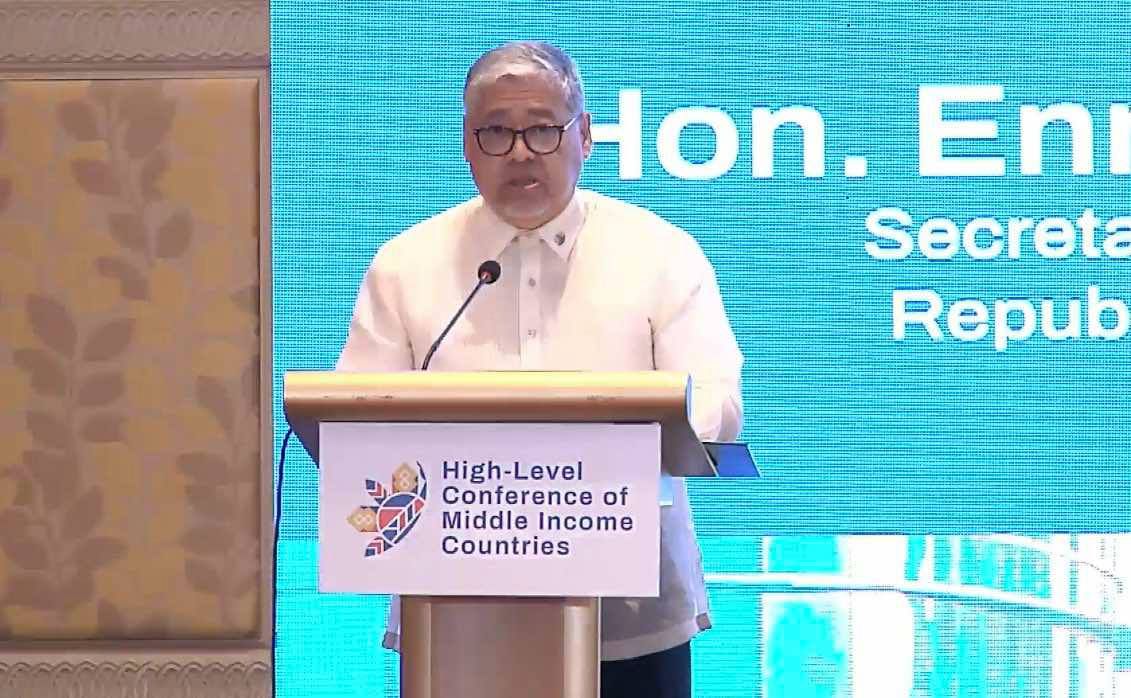
Department of Foreign Affairs (DFA) Secretary Enrique Manalo on Monday, April 28, underscored the need for middle-income countries (MICs) like the Philippines to adhere to the international rules-based order to fulfill its potential of becoming “pacemakers” of the global economy and...
Amid a looming global trade war, the World Bank slashed its 2025 and 2026 growth forecasts for the Philippines to levels that would bring two-year economic expansion to their slowest pace post-pandemic. According to the Washington-based multilateral lender’s East Asia and Pacific Economic Update...
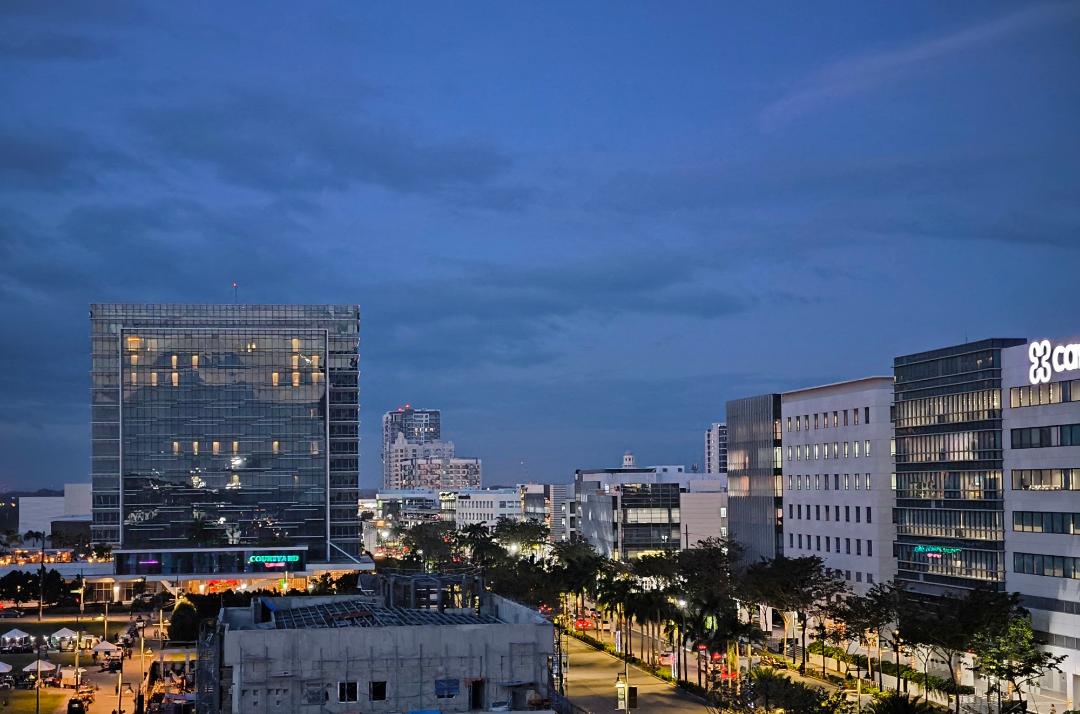
ILOILO CITY – The Gross Domestic Regional Product (GRDP) of Western Visayas region dropped to P641.76 billion in 2024 from the P1 trillion in 2023 without Negros Occidental province. MORE buildings at Iloilo Business Park in Iloilo City. (Tara Yap) The Philippines Statistics Authority recorded an...