Senate Majority Leader Francis Tolentino has filed a bill penalizing foreign interference in the Philippines amid recent incidents indicating possible espionage in the country. Senate Majority Leader Francis Tolentino has filed a bill setting penalties for foreign interference in the Philippines....
The Department of Foreign Affairs (DFA) said it is taking any indication of espionage operations by foreign nationals in the country seriously, saying it stands ready in joining efforts with other government agencies in dealing with it. (Photo courtesy of DFA) In a statement on Thursday, Jan. 23,...
Cagayan de Oro City 2nd district Rep. Rufus Rodriguez Citing recent events, Cagayan de Oro City 2nd district Rep. Rufus Rodriguez says the House of Representatives must swiftly approve his two bills that seek to expand the definition of espionage and...
China warned the Philippines to stop peddling the “Chinese spy” tag as its authorities arrested last week a suspected Chinese “sleeper agent” involved in espionage activities in military and police sites. Chinese Foreign Ministry spokesperson Mao Ning (Photo from Ministry of Foreign Affairs...
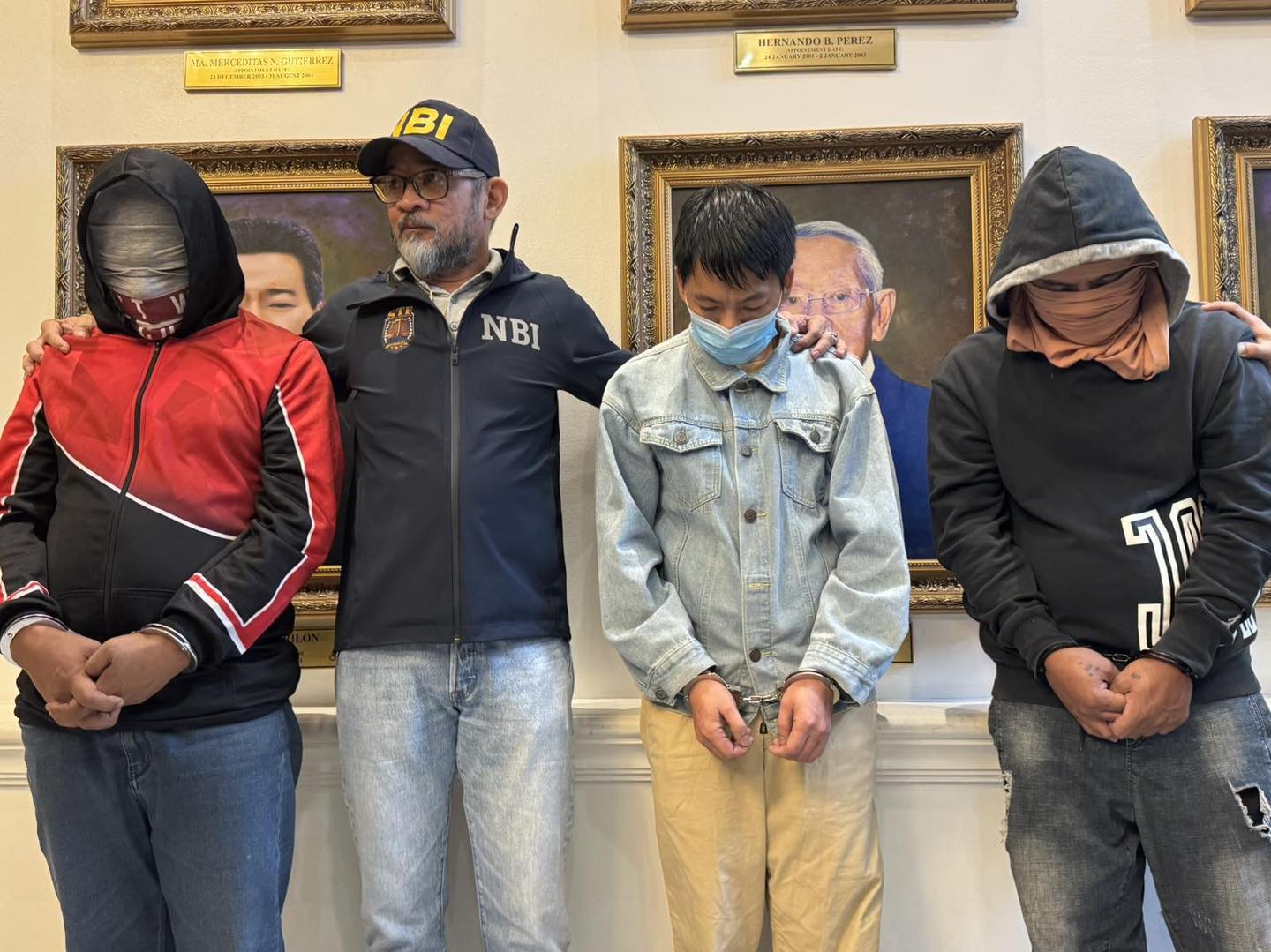
A suspected Chinese spy and his two Filipino cohorts were presented by the National Bureau of Investigation (NBI) on Jan. 20, 2025, following their arrest in Makati City. (Photo: Armed Forces of the Philippines) The National Security Council (NSC) called on lawmakers Tuesday, Jan. 21, to...
Cagayan de Oro City 2nd district Rep. Rufus Rodriguez A ranking congressman who has been critical of China over the West Philippine Sea (WPS) issue has filed a bill penalizing espionage or spying not only in times of war but also during...
At least four Philippine government agencies were persistently targeted by hackers conducting cyber espionage operations across Southeast Asia which are believed to be sponsored by the Chinese government, a cybersecurity company based in the United States has revealed. Civilian boats deliver...
A rare, wide-scale, cyberespionage malware now targets users in Southeast Asia, mostly in the Philippines. Already, the advanced persistent threat (APT) campaign victimized 1,400 users in the Philippines, some of which were government entities, according to experts of cybersecurity firm Kaspersky....