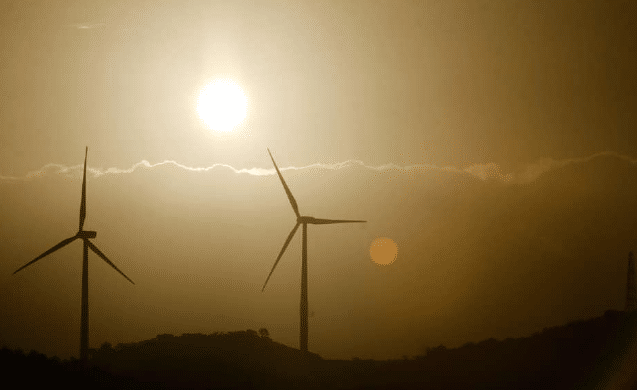
The Renewable Energy Act was passed in 2008 as an attempt to promote clean and indigenous sources of power. The energy sector, however, has yet to achieve the 100 percent electrification target, as well as to significantly increase the share of renewable energy in the power mix. Whether...
In less than two months, the 2022 National Elections will take place. Supporters of candidates in national and local positions are getting louder on social media and the ground. However, concrete platforms to address the prevailing climate and environmental crises are yet to be discussed in full...
The Philippines is an archipelago of over 7,600 islands, making climate change impacts non-linear and complex. The multitude of languages and cultures across the islands make the communication of such impacts an even greater challenge. While reliable evidence-based information about climate change...
As we have seen with the Covid-19 pandemic, varying levels of coping capacity determine the overall wellbeing of societies, populations, and sectors that are better equipped to manage such systemic disruptions. More vulnerable systems face threats of near-total collapse or are left severely...
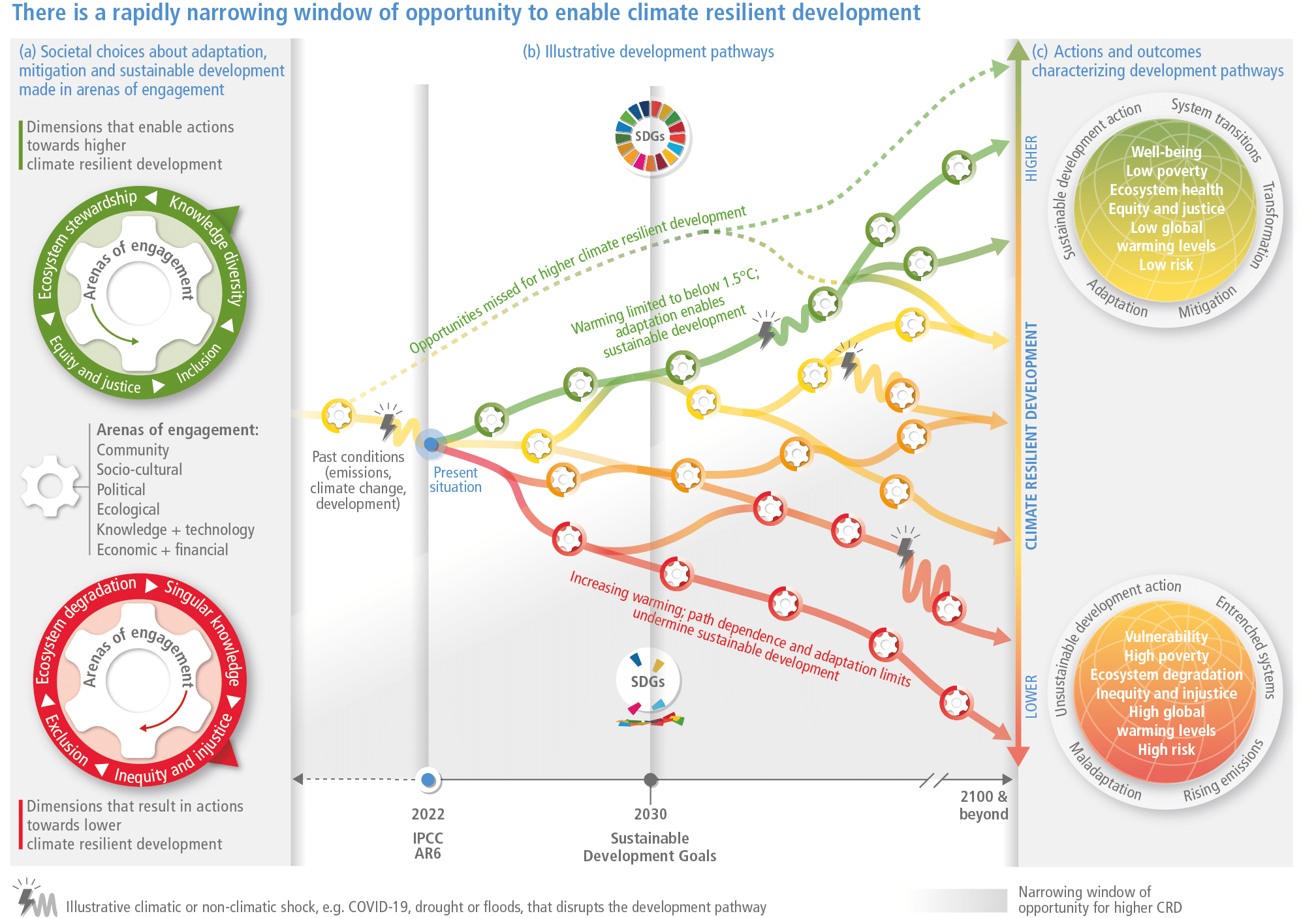
On Feb. 28, 2022, the Intergovernmental Panel on Climate Change (IPCC) released the second of its three-part Sixth Assessment Report (AR6). The Working Group II (WG2) contribution to the AR6 focuses on Impacts, Adaptation, and Vulnerability as it provides an assessment of the vulnerability of...
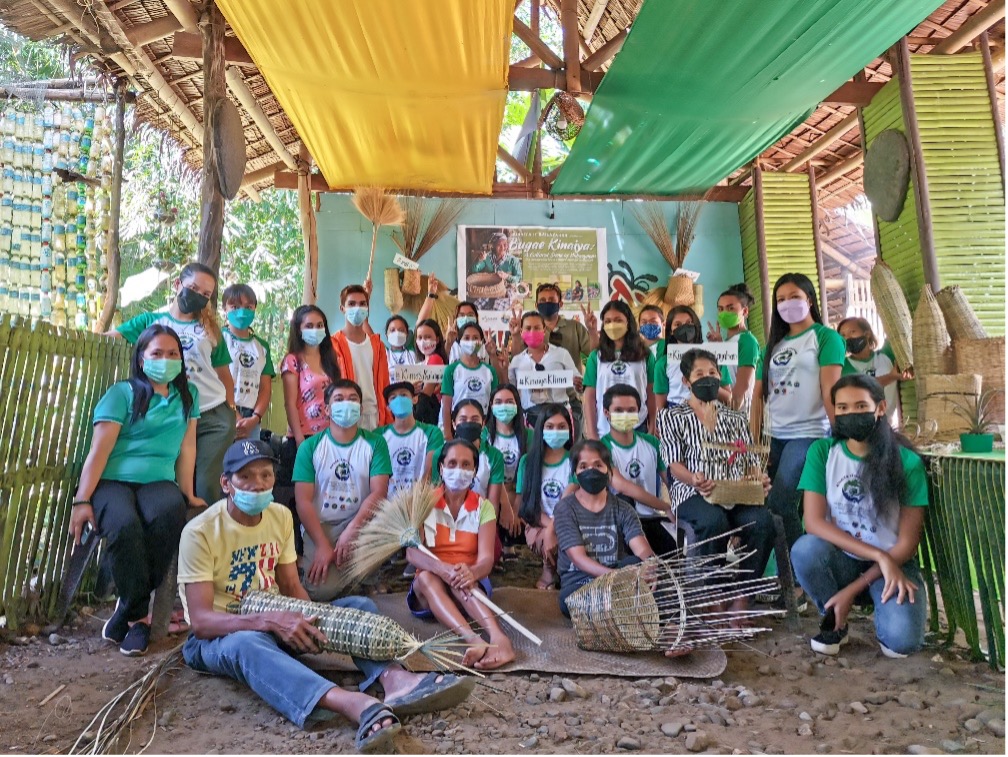
Empowering local communities starts with appreciating and valuing their indigenous knowledge, systems, and practices (IKSP) to get them involved and to collaborate. Through the campaign “Kinaiya it Kailayahan: The Role of Indigenous Knowledge Systems and Practices of Nabaoynons in Malay, Aklan in...
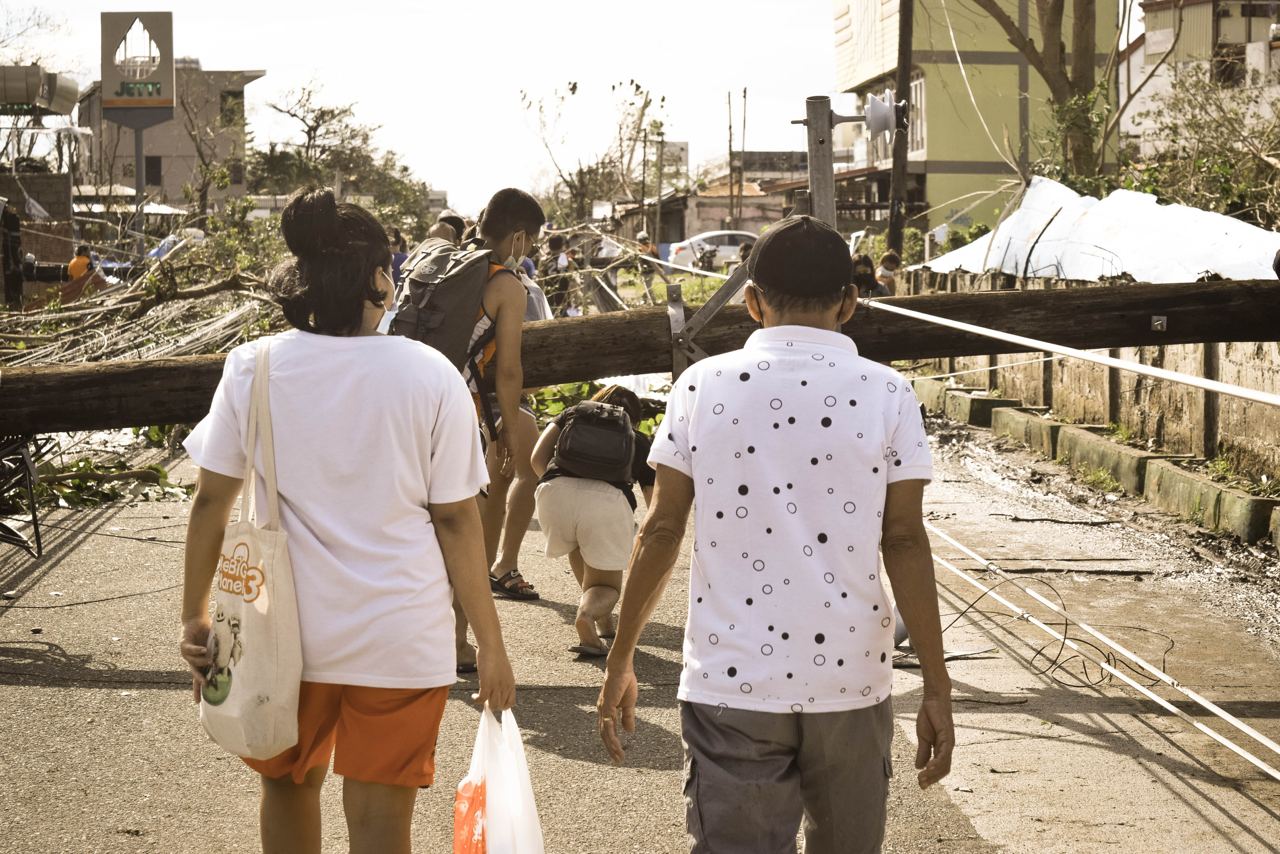
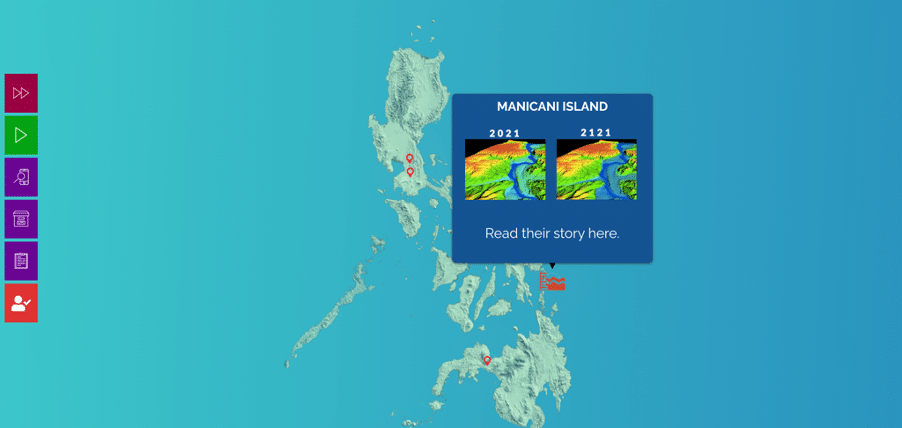
In 2013, when Typhoon Yolanda hit the Philippines, it made its first landfall in a small island called Sulu-an, a few kilometers off the coast of Guiuan, Eastern Samar. While most people know of Yolanda’s destruction in Tacloban and other major cities in the Visayas, most Filipinos have not heard...
Last November 2021, at the 26 th United Nations Climate Change Conference, world leaders came together to discuss the future of the planet and the target to keep global temperature rise within 1.5 degrees Celsius by the end of the century. Today, the Earth is 1.2 degrees Celsius warmer than it was...
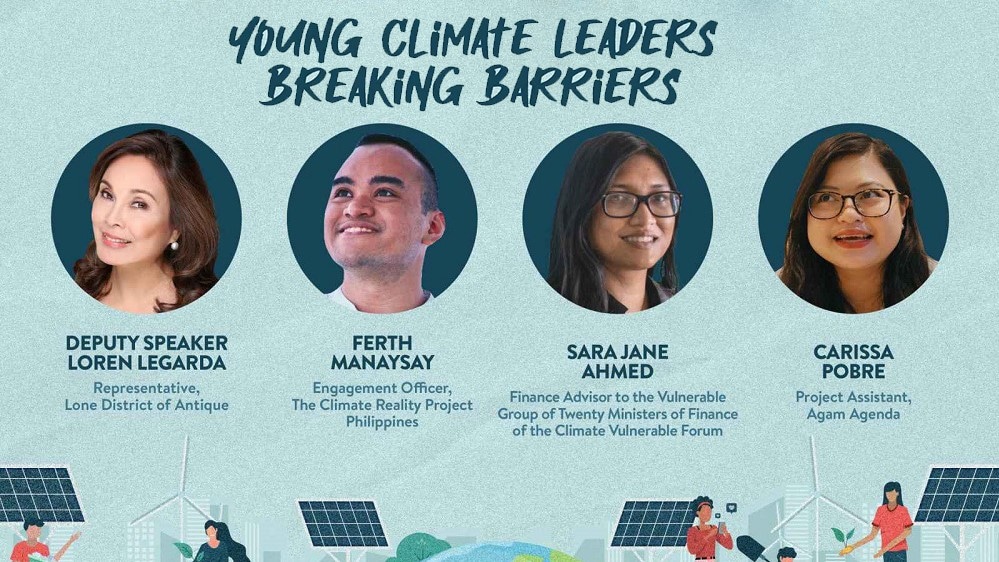
‘When Is Now?’ is a platform of stories, poems, photography, and other art forms that aim to spread awareness on climate crisis and demand climate justice Young Climate Reality Leaders shared their experiences in engaging with various communities and critical decision-makers as part of climate...
For better or for worse, online shopping and social media usage have skyrocketed since the pandemic started. Aggravated by social isolation and the monotony it brings, what used to be viewed as a luxury is now the norm—purchasing products and goods, from the most basic to the most frivolous, are...
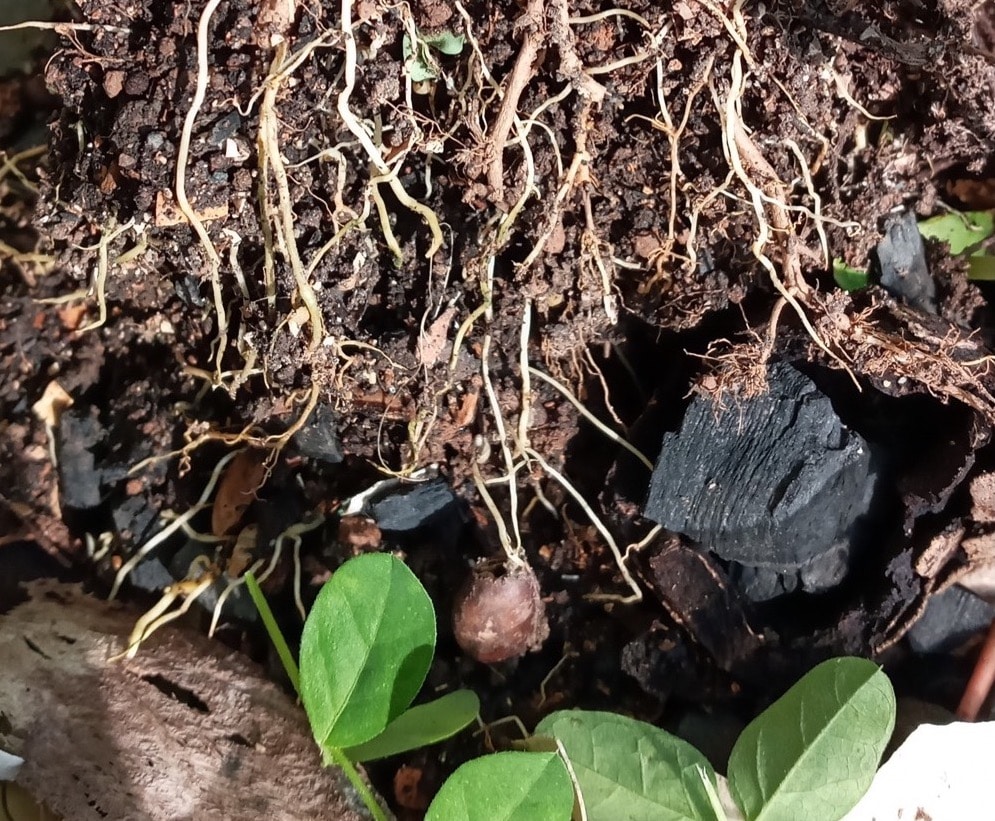
How can Filipino farmers deal with global fertilizer shock and climate change, and continue to feed us? Last week, the European Union’s earth observation program Copernicus released new data that 2021 was the fifth warmest year on record, with the last seven years as the hottest years while...
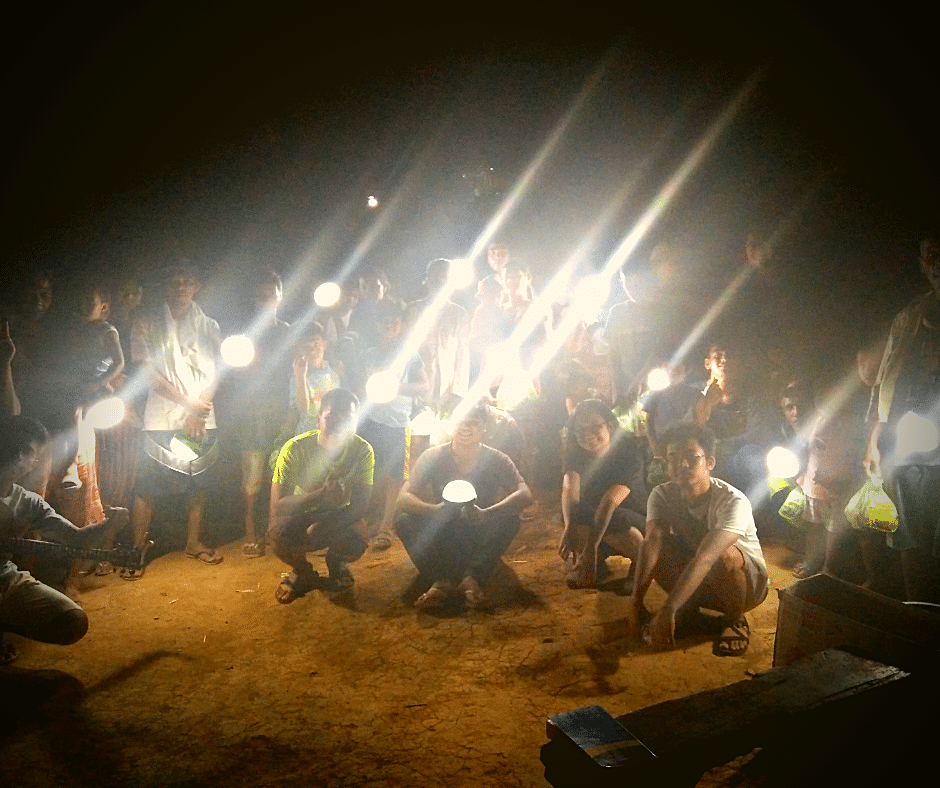
Imagine living your life with no lights, no phones, and no internet connection. As tragic as it may sound, this is the reality of about 1.6 million Filipino households and around 12,000 sitios (small communities) in the country with no access to electricity. These unelectrified communities are part...