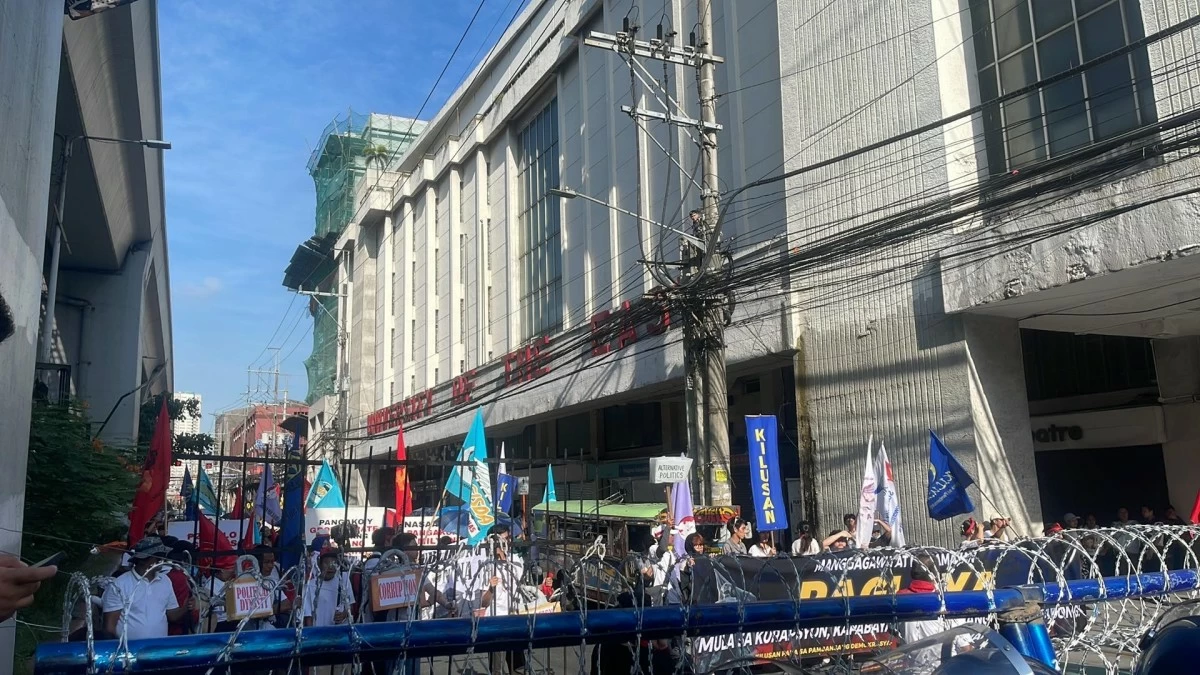
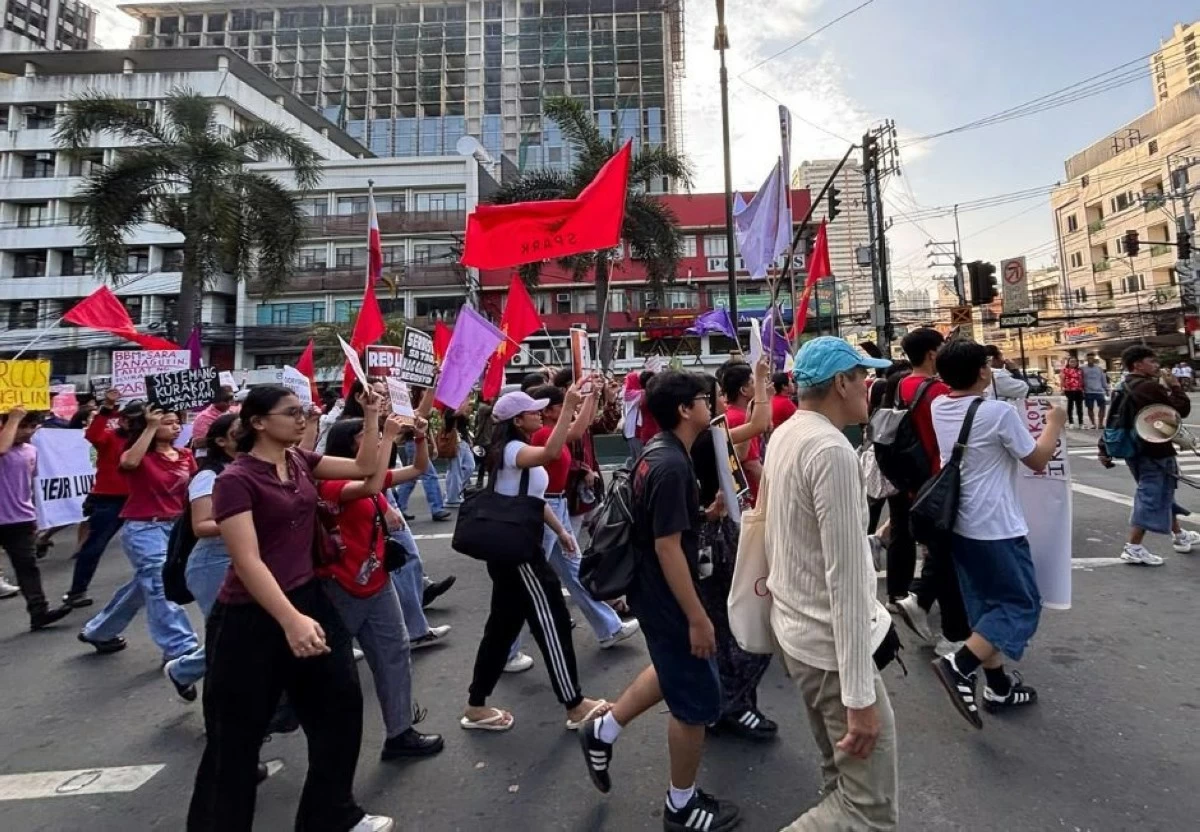
Several groups held a protest along Recto Avenue in Manila on the morning of Sunday, Nov. 30 , denouncing corruption and calling for the resignation of President Ferdinand Marcos Jr. and Vice President Sara Duterte. The protesters intended to march toward Mendiola and Malacañang, but they were...
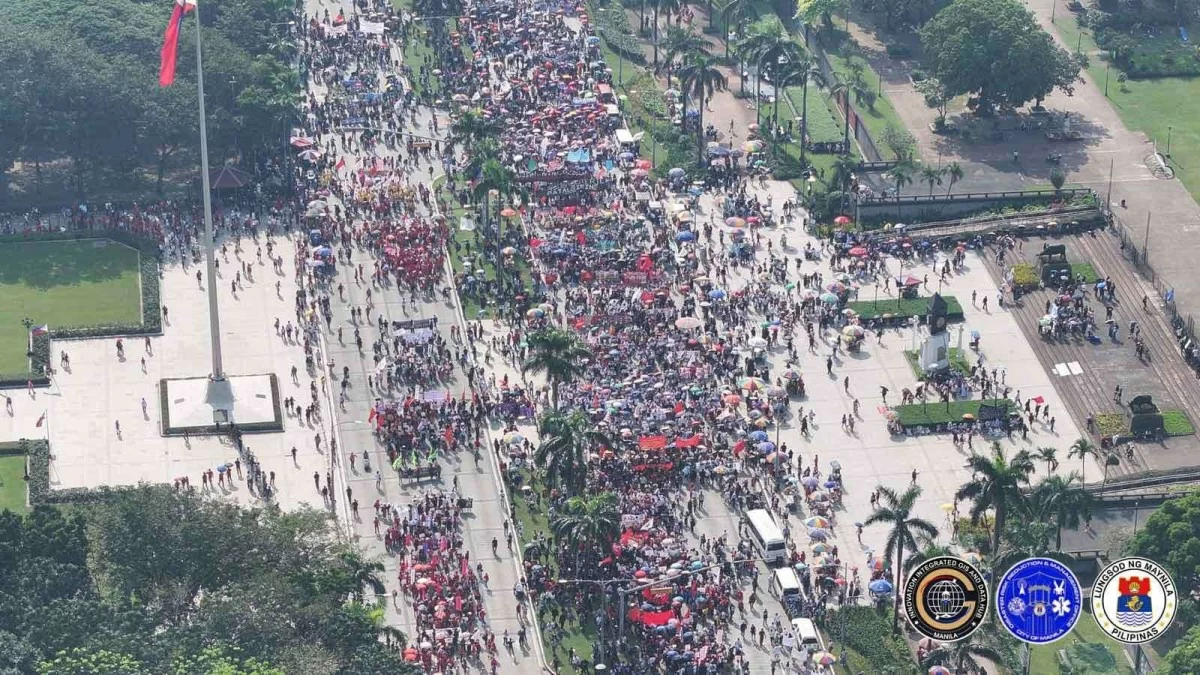
Crowds at the Luneta Park continue to gather for various activities, spreading across different parts of Manila, including Financial Road, Maria Orosa Street, and Liwasang Bonifacio. According to the Manila Disaster Risk Reduction and Management Office (MDRRMO), using drone surveillance and...
Several activist groups expressed frustration over Manila Police District 's restrictions on protests in Luneta Park, citing the absence of a permit on Nov. 30. The Manila Police District (MPD) said, “Doon po kasi sa Liwasang Bonifacio malaya po sila mag-ingay doon at hindi po namin sila...
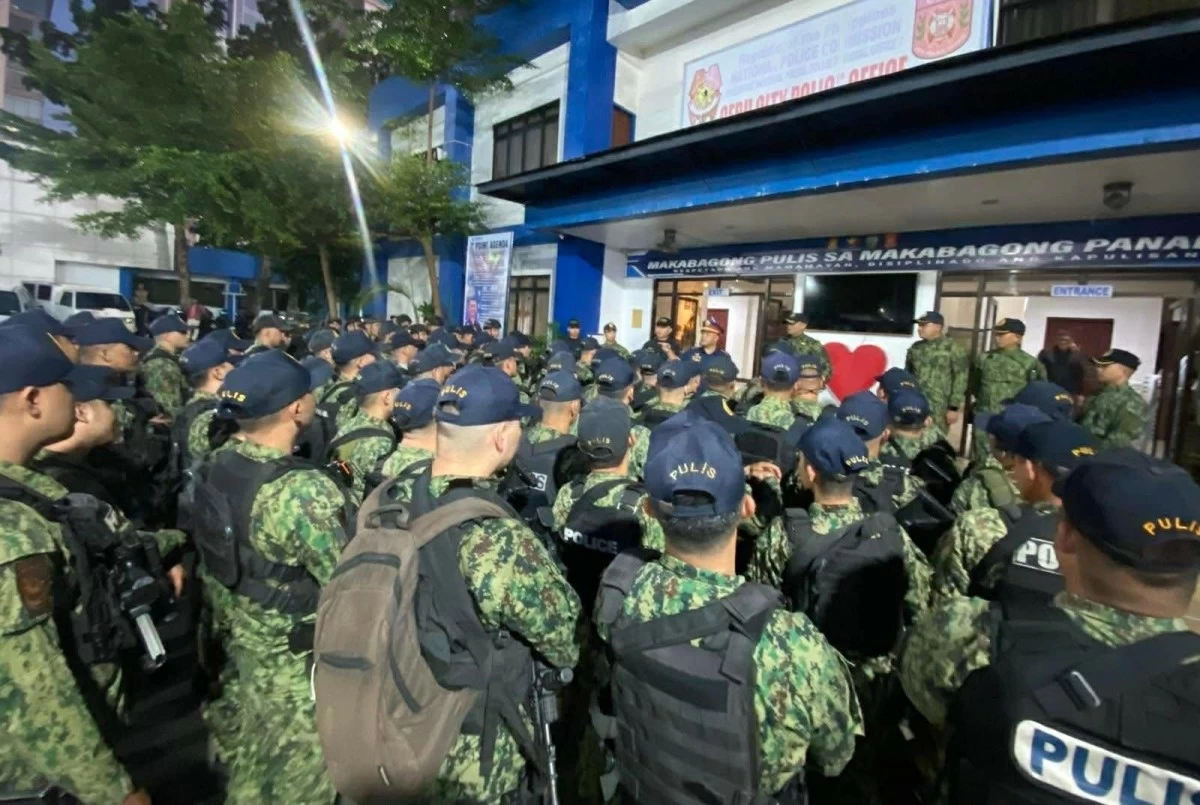
CEBU CITY – Police will be on heightened alert for a prayer-march rally that will be participated by various groups here on Sunday, Nov. 30. The event, called the Sugboanong Pakigbisog Kontra Korapsyon (SuPaKK), is anticipated to attract at least 5,000 participants, who will gather at Fuente...
The Philippine Red Cross (PRC) on Saturday, November 29, announced a full-scale operational readiness plan ahead of the second “Trillion Peso March for Truth and Accountability,” as tens of thousands are expected to converge at the Quirino Grandstand in Manila and the EDSA Shrine in Quezon...
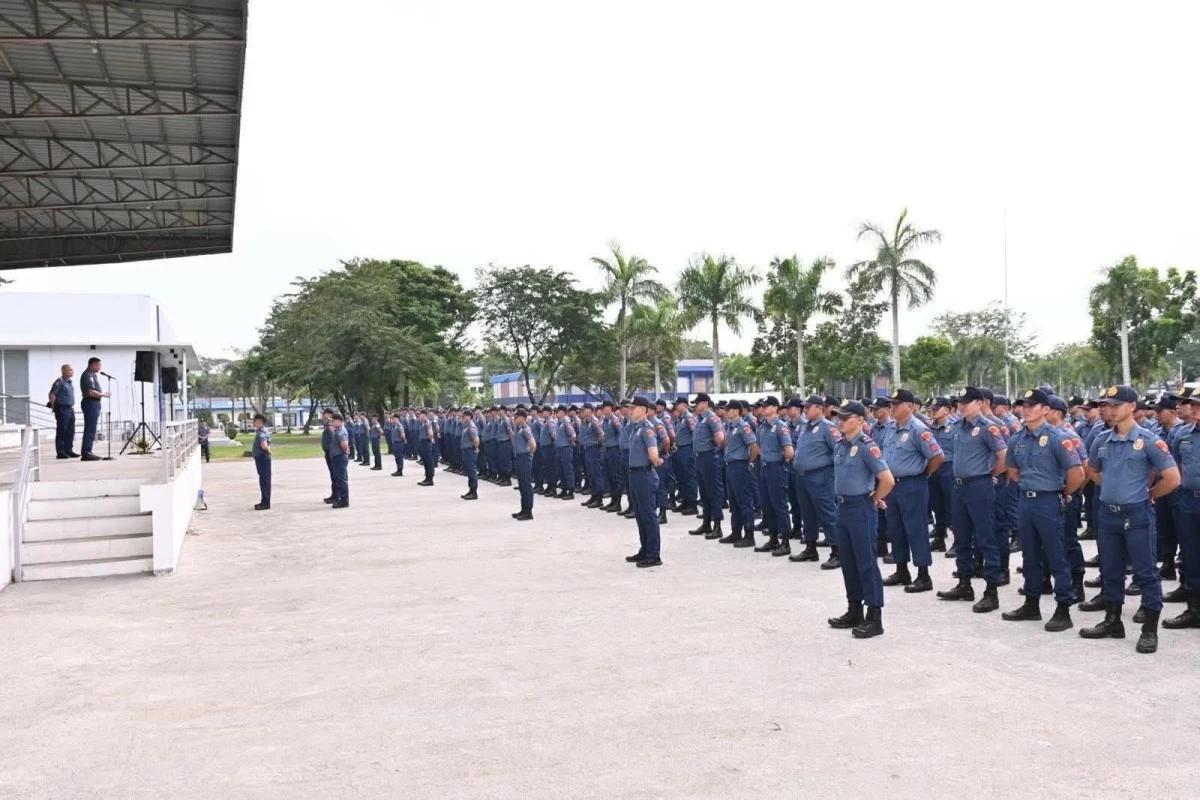
TACLOBAN CITY – Over 3,000 police officers have been deployed to secure the Trillion Peso March in Eastern Visayas region on Nov. 30. Police Regional Office-8 director Police Brig. Gen. Jason Capoy said they are on full alert since Nov. 28 to strengthen operational readiness across Eastern...
The Police Regional Office-2 is on full alert for the Trillion Peso March 2.0 on Sunday, Nov. 30, in the Cagayan Valley region. The Reactionary Standby Support Force (RSSF) is on standby and ready for immediate deployment. PRO-2 chief Polic Brig. Gen. Antonio P. Marallag Jr. said Cagayan Valley...
The Manila Police District (MPD) on Friday, Nov. 28, issued a traffic advisory announcing road closures and rerouting schemes for the “Trillion Peso March,” an anti-corruption protest set on Sunday, Nov. 30, which is expected to draw a large crowd. MPD said starting at 12:01 a.m. on Nov. 30,...
BACOLOD CITY – Although no major threats have been detected, the Police Regional Office-Negros Island Region (PRO-NIR) has placed its forces on heightened alert and is preparing 2,000 personnel to ensure public safety in the Trillion Peso March 2.0 on Sunday, Nov. 30. Police Lt. Col. Joem Malong,...
The Quezon City Police District (QCPD) vowed to exercise maximum tolerance during the Trillion Peso March on Sunday, Nov. 30, at the People Power Monument. “The QCPD will exercise maximum tolerance to ensure the rights of participants are respected but will also enforce zero tolerance against any...
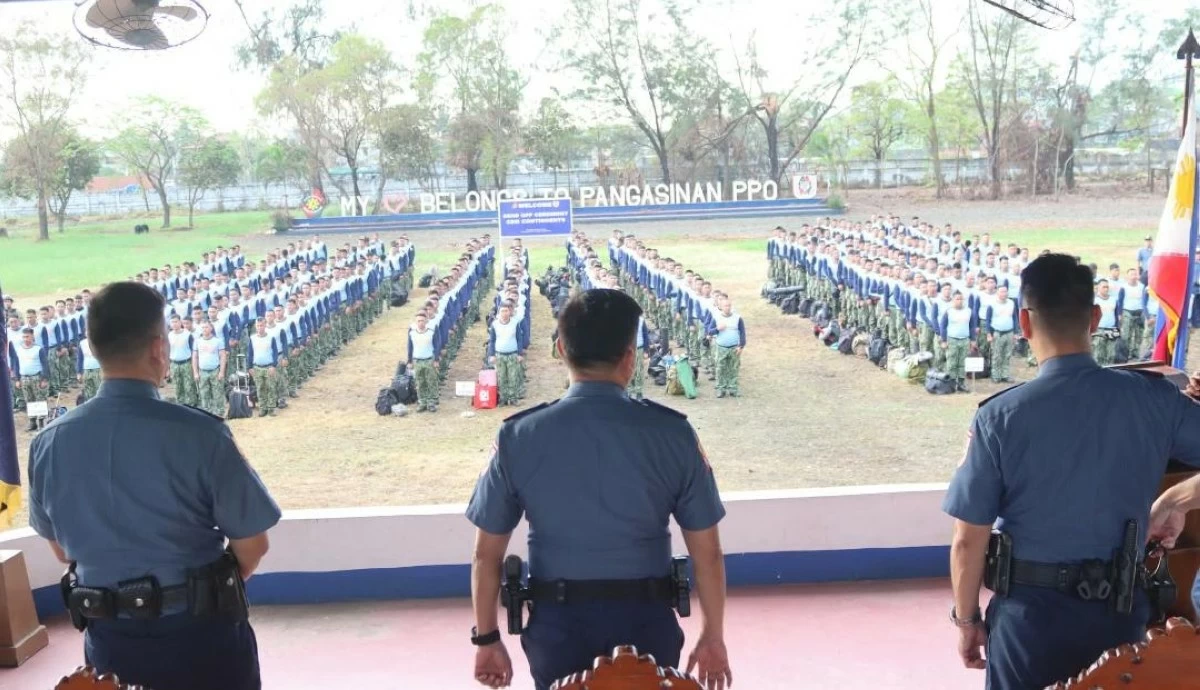
More than 2,000 Police Regional Office-3 personnel will assist the National Capital Region Police Office in securing the Trillion Peso March 2.0 in Metro Manila on Nov. 30. PRO-3 chief Police Brig. Gen. Ponce Rogelio I. Peñones Jr. said 2,000 make up the Civil Disturbance Management (CDM)...
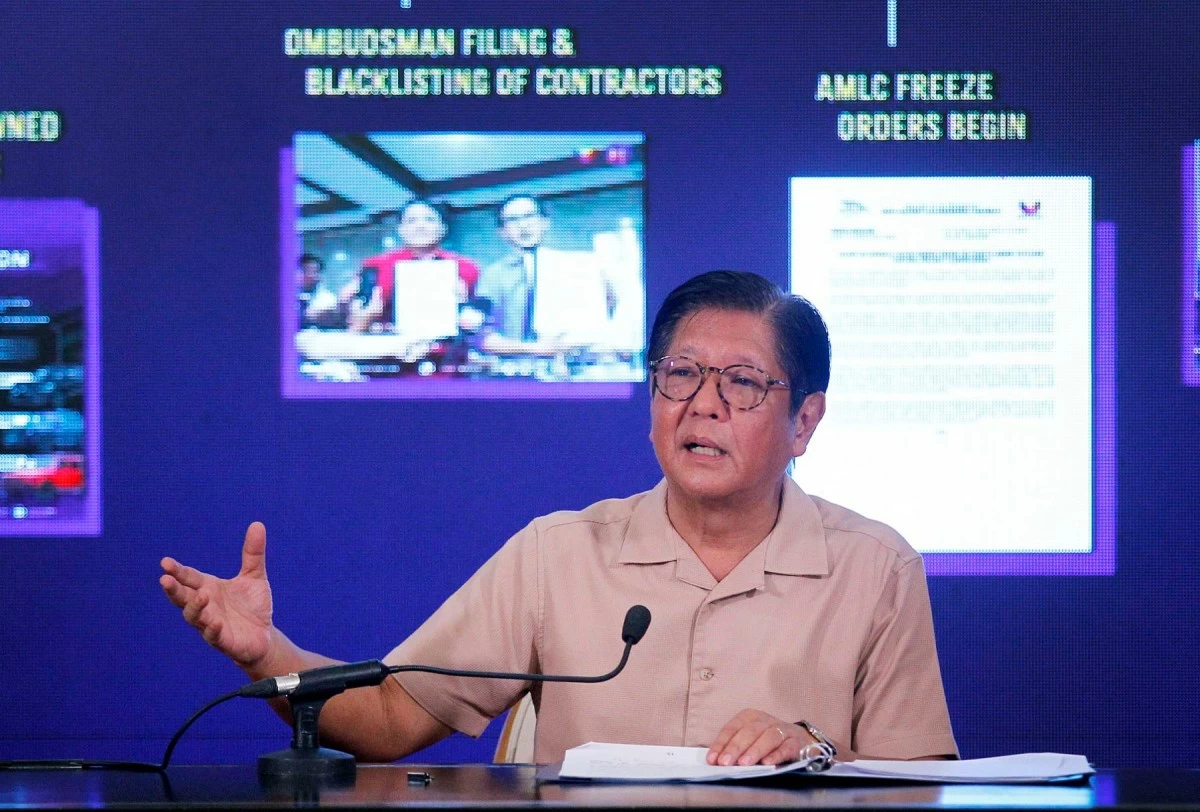
President Marcos attributed the country’s slower third-quarter economic growth to climate disruptions and global headwinds, assuring that a surge in public spending would help restore momentum before the year ends. Marcos said this as the peso hit a record low of P59.17 to the US dollar on...