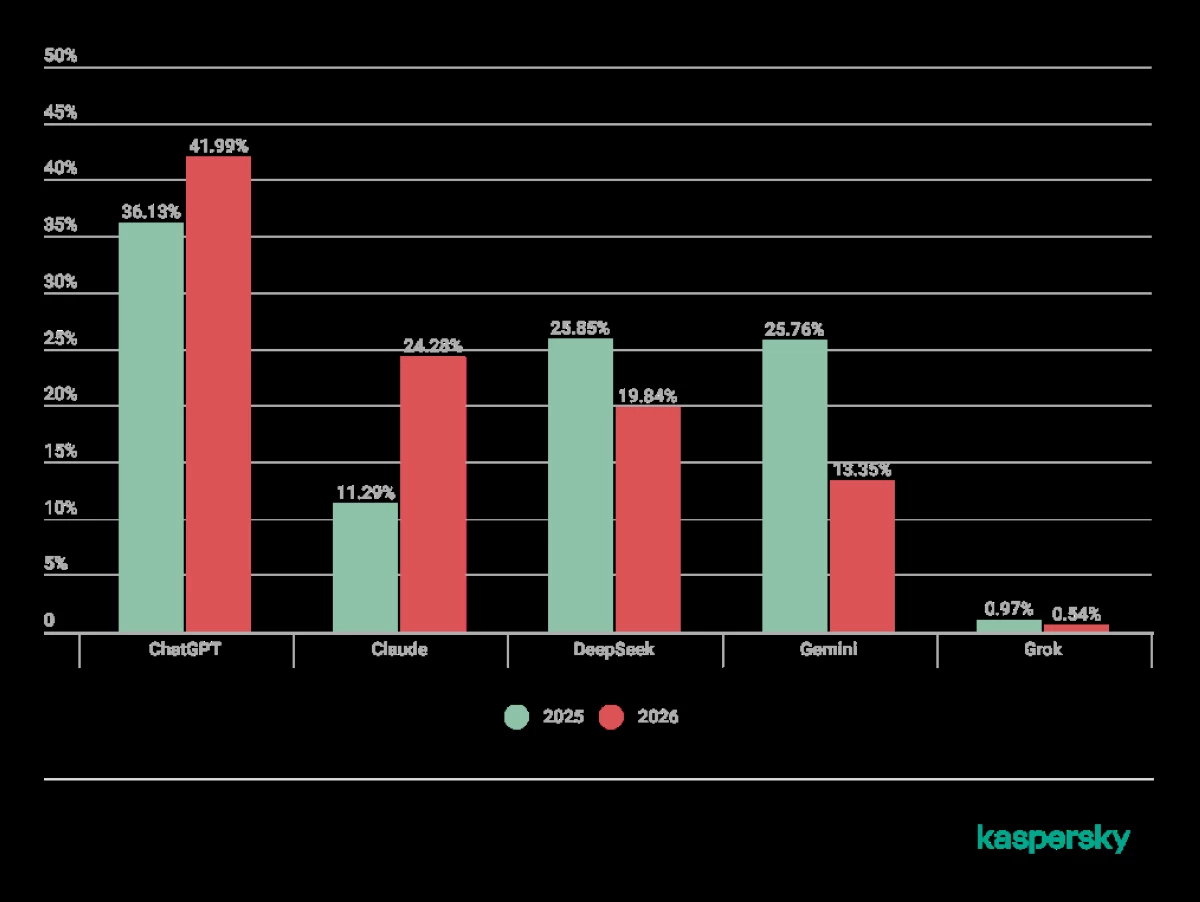
From January to April 2026, Kaspersky security solutions* detected more than 33,300 attacks on small and medium-sized businesses (SMBs), in which malicious or unwanted software for PCs were disguised as popular artificial intelligence (AI) services. This number has surged by almost five times when...
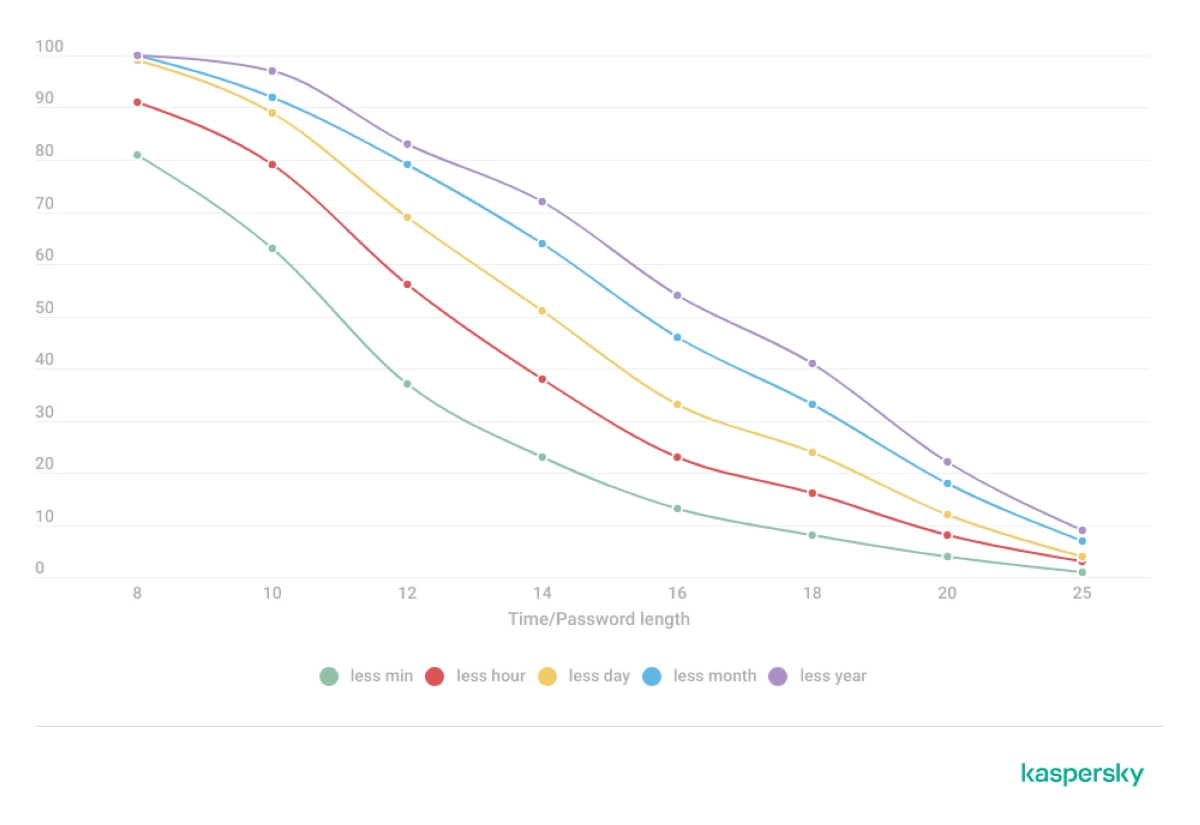
What are the chances that your password begins with [insert random jumble of letters/word in mixed cases] followed by [numbers]? Apparently, according to Kaspersky, this password structure is far more common than you may think. To mark the occasion of World Password Day, Kaspersky experts analyzed...
Kaspersky ICS CERT discovered a campaign targeting industrial organizations in the Asia-Pacific region. The attackers used legitimate cloud services to manage malware and employed a complicated multi-stage malware delivery scheme using legitimate software to avoid detection. As a result, they could...
According to Yeo Siang Tiong, general manager for Southeast Asia at Kaspersky, the NTC just announced that the registration of new and existing SIM cards will start on December 27. According to the IRR of the SIM Registration Law, mobile users in the country are required to input their personal...
In a post-pandemic hybrid-remote work setup, Bring Your Own Device (BYOD) has fast become a norm for many companies. During the first half of 2022, Kaspersky has detected five (05) types of vicious mobile malwares that potentially pose serious security threats to companies who practice BYOD. The...
A new global survey , conducted by Kaspersky, explores the role of performance in gaming and their attitudes towards it. A recent Kaspersky survey revealed that professional gamers stand for fair play and competition. According to the study, 68% of esports pros agree that using cheats is...
Done globally with 100 executives from SEA, Kaspersky’s study titled, “How business executives perceive ransomware threat” conducted last April, revealed the heightened awareness of business executives in Southeast Asia (SEA) about the sophisticated risks online. Data theft, alongside...
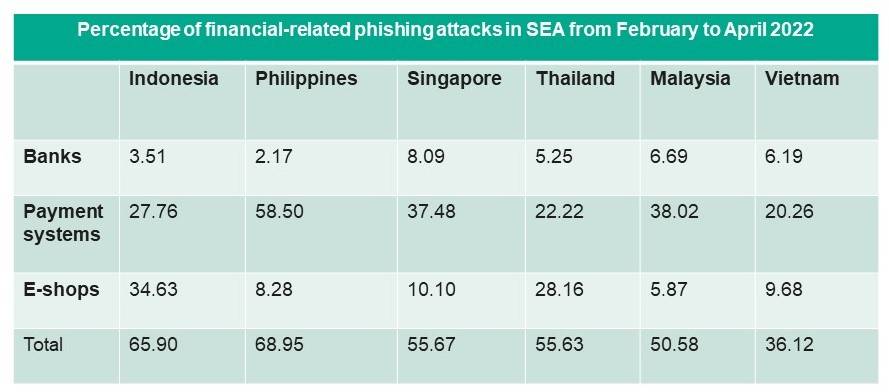
PH posts highest number of phishing in SEA - study By EMMIE V. ABADILLA The Philippines registered the highest number of phishing attempts in Southeast Asia (SEA) from February to April this year, with seven in 10 (68.95 percent) targeting finance-related transactions, according to a study. The...
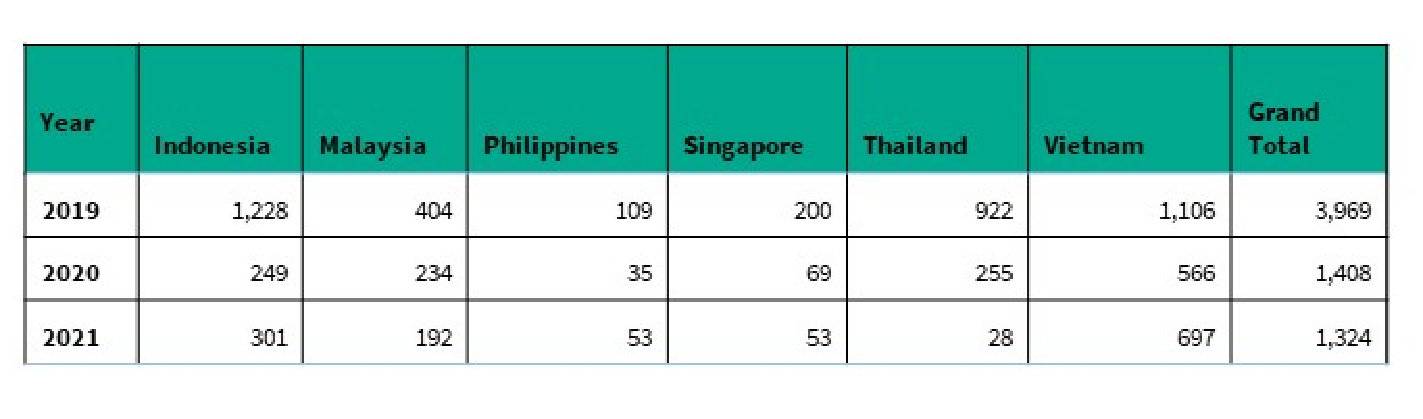
The number of mobile malware attacks in the Philippines, one of the world’s biggest mobile-using countries, dropped sharply in the past two years but users should not drop their guard, cybersecurity firm Kaspersky warned this week. Among Southeast Asian countries, the pattern of declining mobile...
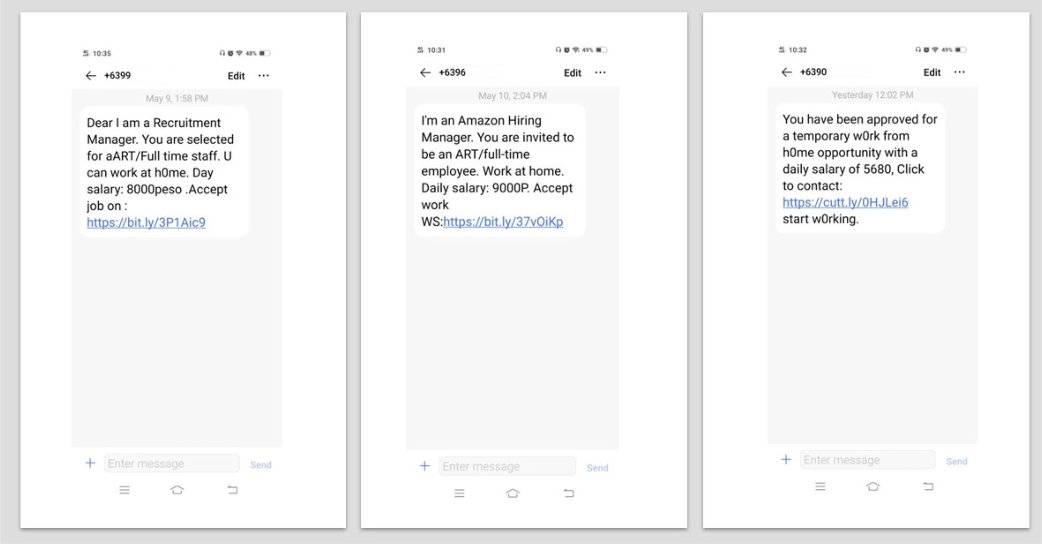
Cybercriminals target 3.13 million unemployed Filipinos and 7.42 million underemployed job-seekers to sell their personal information - name, birthday, phone number and email address, for $10 each on the dark web, according to cybersecurity firm. Kaspersky said that once these data are in the hands...
Most businessmen, nine-in-ten, think they can get back their hostaged data if they pay when attacked by ransomware. They will even cough up cash faster if they had been victimized before, according to a study. Specifically, business leaders in 88 percent of organizations previously attacked by...
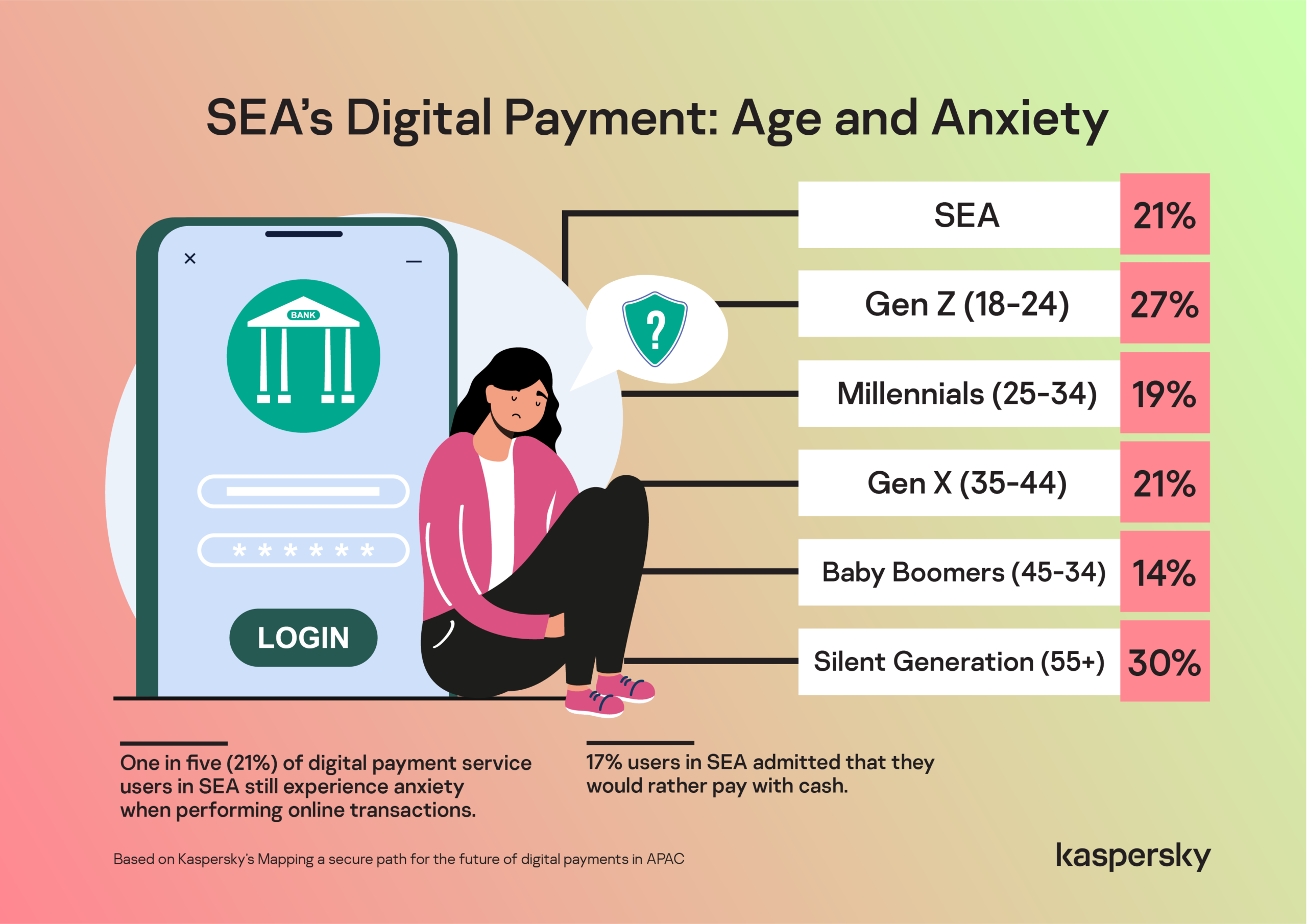
Kaspersky: 1 in 5 Filipinos still scared of paying online By EMMIE V. ABADILLA Many Filipinos, like most Southeast Asians, still get the jitters when paying online, according to the latest findings of cybersecurity firm Ksspersky. Both the oldest and the youngest generations find it scary to go...