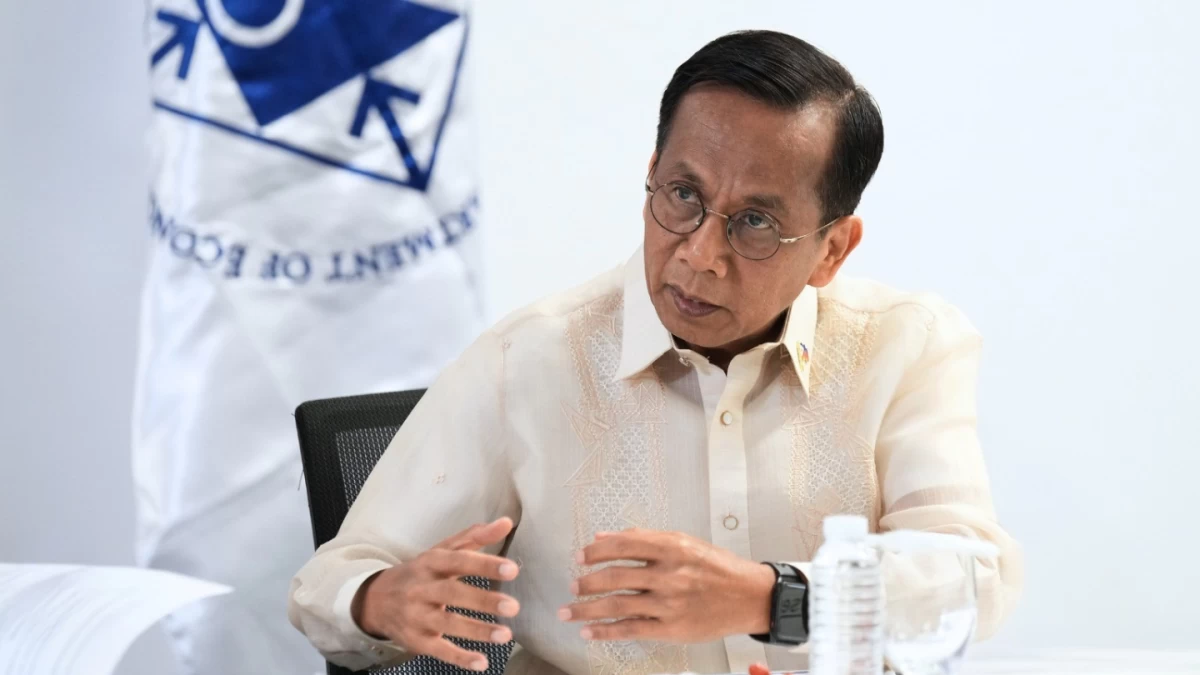
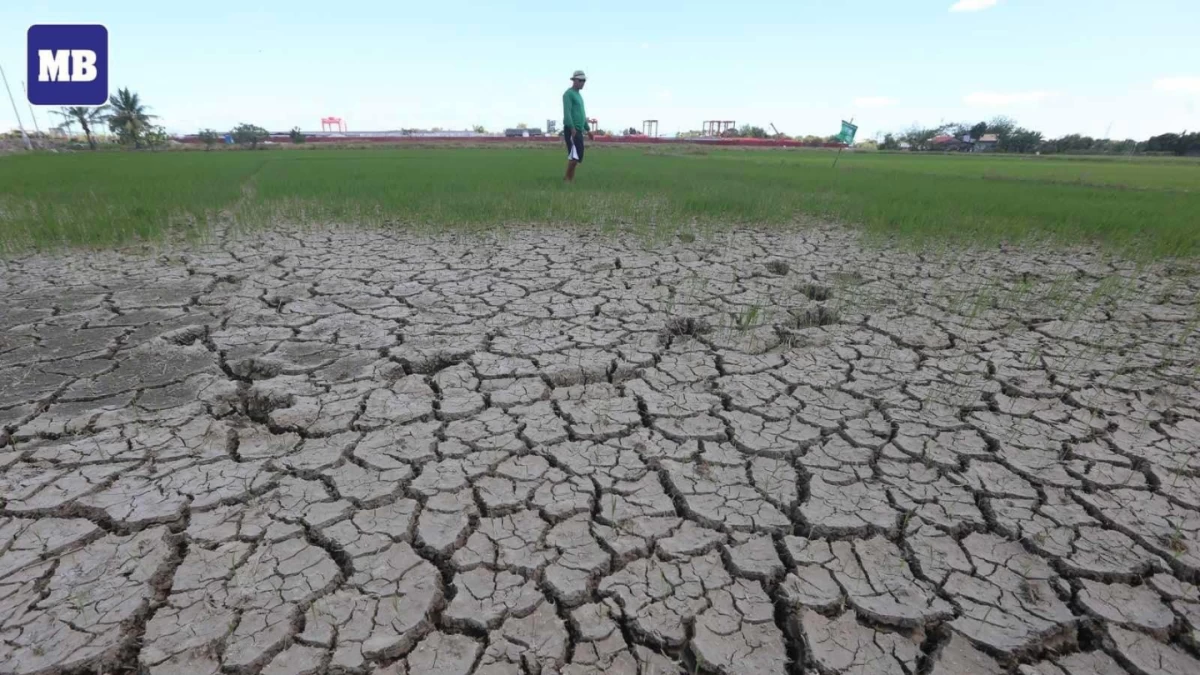
The Philippine economy could weaken further in 2026 as the prolonged war in the Middle East, governance concerns, and El Niño threaten growth while elevated inflation and borrowing costs cloud the outlook, the Department of Economy, Planning, and Development (DEPDev) warned. “The country’s...
The Philippines must push through political and economic reforms in the final two years of the Marcos Jr. administration to rebuild confidence and strengthen the economy’s growth potential, according to the country’s chief economist. During the Development Budget Coordination Committee (DBCC)...
The Philippines remains far from stagflation despite high inflation and sluggish economic growth, members of the Marcos Jr. administration’s economic team said, pushing back against Monetary Board Member (MBM) Benjamin E. Diokno’s characterization of the current situation as “stagflation...
The Philippines faces difficulty bringing inflation back within target as a strengthening El Niño threatens to damage crops and push food prices higher, with the country already posting the highest inflation rate in the region, according to Moody’s Analytics. In an Aug. 7 report, Moody’s...
The Philippine economy faces an uphill battle in the second half of 2026 after posting its weakest post-pandemic growth, with private sector economists warning that faster infrastructure spending, easing inflation, and stronger investor confidence will determine whether the country can meet the...
Amid both external and domestic challenges, the Philippines’ economic growth weakened further to a new post-pandemic low of 2.3 percent in the second quarter of 2026, the Philippine Statistics Authority (PSA) reported on Friday, Aug. 7. Gross domestic product (GDP) growth slowed from 2.8 percent...
The World Bank urged the Philippines to accelerate power sector reforms to lower electricity costs and reduce its dependence on imported fuel, saying cheaper and more reliable power has become critical to sustaining economic growth, attracting investments, and reducing poverty after the country’s...
Philippine economic growth likely picked up above the three-percent level in the second quarter, mainly on improved spending on public goods and services, with most private-sector economists expecting the economy to perform better than in the previous quarter despite lingering headwinds from...
A “triple threat” of crude oil prices topping $80 per barrel, Metro Manila’s ₱85 daily wage hike, and severe El Niño conditions could push third-quarter Philippine inflation back to levels seen during the height of the Middle East crisis and prompt the Bangko Sentral ng Pilipinas (BSP) to...
The Asian Development Bank (ADB) slashed its Philippine economic growth forecast to 3.8 percent this year, which, if realized, would be the country’s slowest post-pandemic expansion amid delayed investments, higher inflation, and risks from climate shocks. In its Asian Development Outlook (ADO)...
Think tank Capital Economics expects the Philippine economy to grow below the government’s downgraded targets over the next three years, warning that the country’s recovery would likely remain sluggish as weak confidence, tight fiscal policy, and the lingering impact of recent shocks weigh on...
Philippine bond yields posted one of the largest increases in emerging East Asia in recent months as the war in the Middle East fueled inflation, prompted tighter monetary policy, and heightened investor concerns over the country’s economic vulnerabilities, according to the Asian Development Bank...