The news of the country's debt nearing P15 trillion is undoubtedly alarming. It raises the question of why the government continues to borrow extensively, despite its significant indebtedness. While many Filipinos tend to avoid borrowing, viewing debt as inherently negative and a sign of poor...
Finance Secretary Ralph G. Recto has dismissed worries about the country's ballooning debt stock, affirming the government's capability to meet all maturing financial obligations. Recto said that the current total government debt, which amounted to P14.51 trillion as of November last year,...
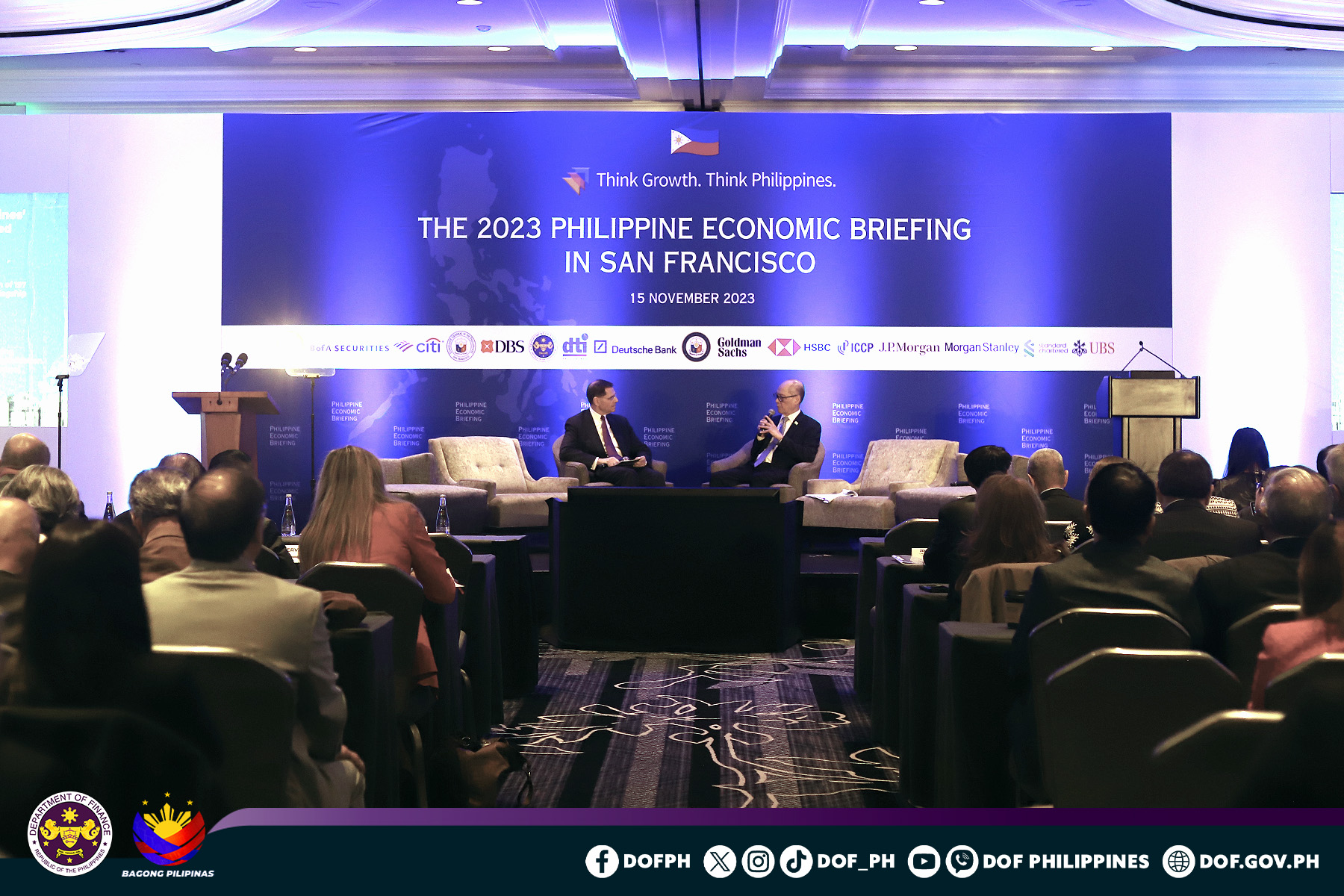
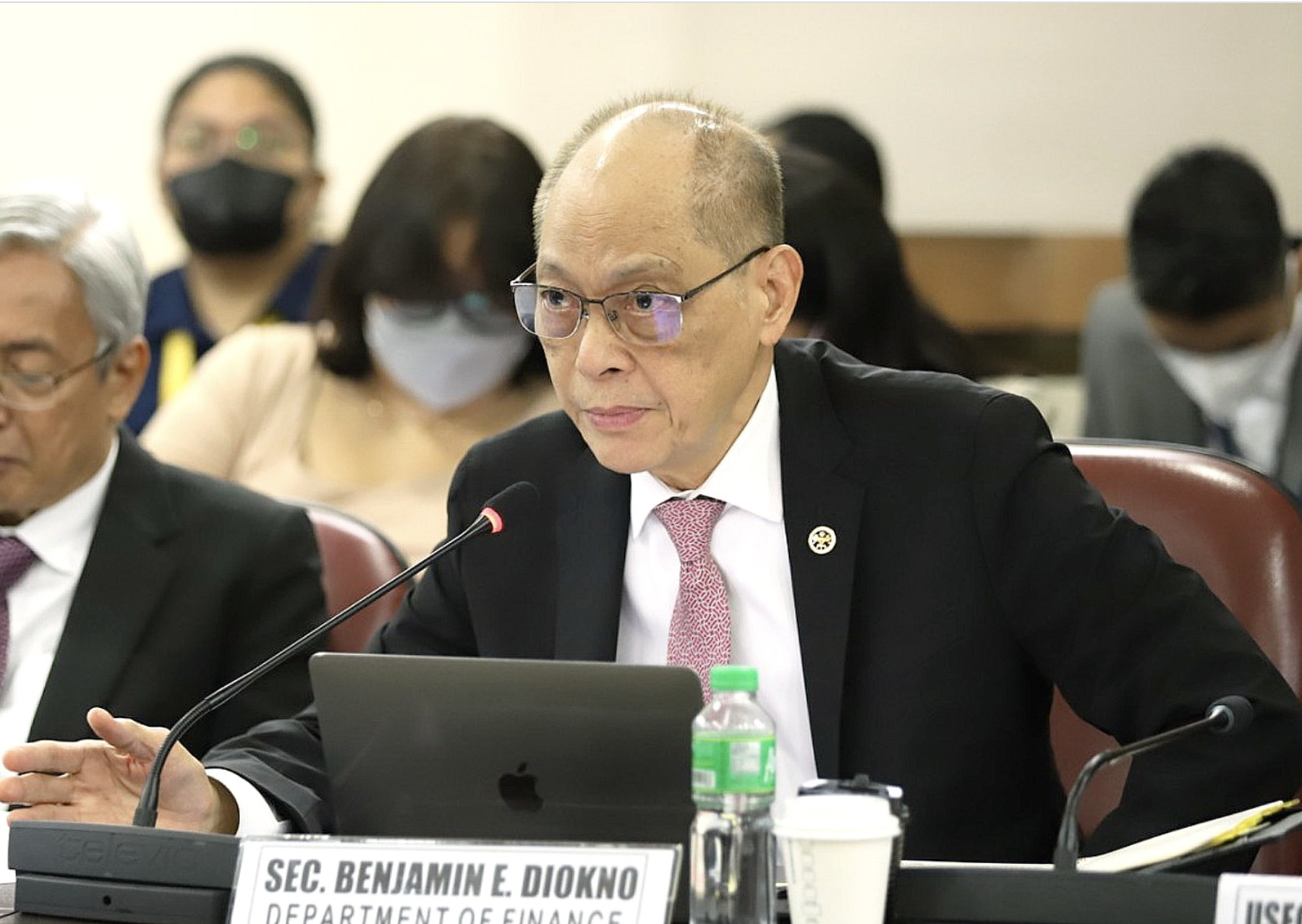
The target ratio for the country’s debt as a share of the gross domestic product (GDP) for the medium term is attainable, Department of Finance Secretary Benjamin E. Diokno said. In a panel discussion with the Philippines’ economic managers, Diokno said that the government’s target ratio will...
Department of Finance (DOF) Secretary Benjamin E. Diokno said that the government is firm on reducing the country’s budget deficit-to-gross domestic product (GDP) to three percent by 2028. This after credit rating agency Fitch Ratings noted the country’s general government deficit to narrow to...
Economists and financial experts have emphasized the importance of the debt-to-GDP ratio as a crucial economic indicator, surpassing the significance of the nominal amount of debt held by the government. Traditionally, the focus has been on the nominal amount of debt, which simply measures...
The country's debt ratio climbed to a 17-year high in the third-quarter this year as new government loans continued to pile up, data from the Bureau of the Treasury revealed. As of September 2022, the outstanding obligations of the national government as a share of gross domestic product (GDP) hit...
The World Bank said the Philippine government’s debt load remains manageable despite recent acceleration amid the prolonged pandemic. Even it has ballooned, Kevin Chua, World Bank senior economist noted that the government’s debts are mostly held by Filipino creditors, long-dated IOUs and...
The national government incurred more loans in January, bringing its debt above the P12-trillion mark for the first time, as the Philippines bogged down by prolonged Covid-19 pandemic. The Bureau of Treasury reported on Friday, March 4, that the government’s outstanding debt stood at P12.03...
Slightly below programmed The Duterte administration is likely incurred slightly lower than programmed budget deficit last year due to favorable revenue performance, the Department of Finance (DOF) said. Speaking at the Management Association of the Philippines (MAP) virtual meeting, Finance...