

ADVERTISEMENT

A review of Alien: Romulus: May you survive the experience

Published Aug 16, 2024 01:29 pm

At A Glance

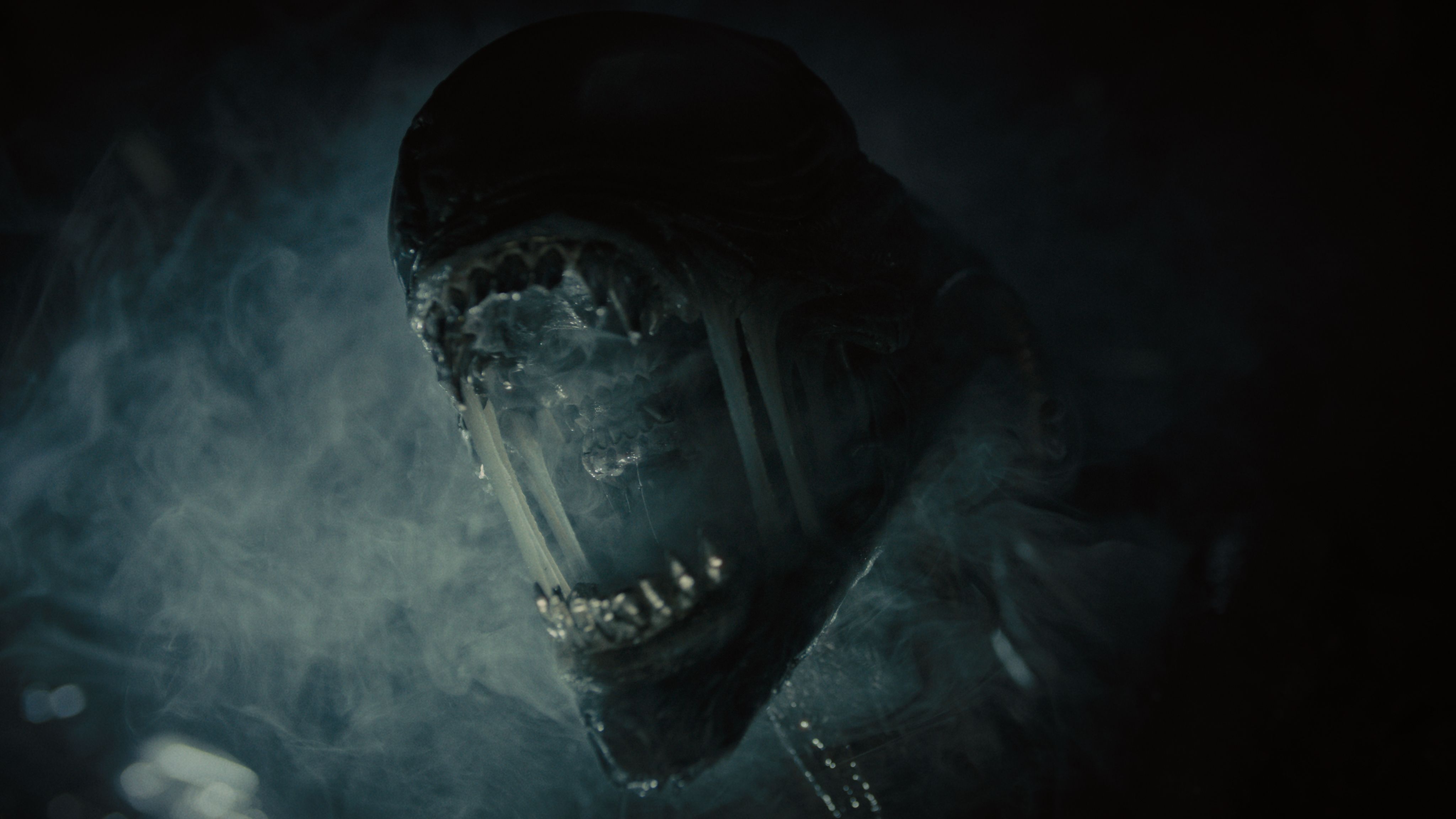
  • Director Fede Alvarez has said that he intended to bring the Alien films back to their horror roots, and he has done just that.
romulus_dtrl6_4k_r709f_stills_240716.090346.jpg
A scene from Alien: Romulus

Just when you thought it was safe to go back into space, the Xenomorph, sci-fi cinema’s perfect hunter-killer slithers its way back onto the silver screen this week. 

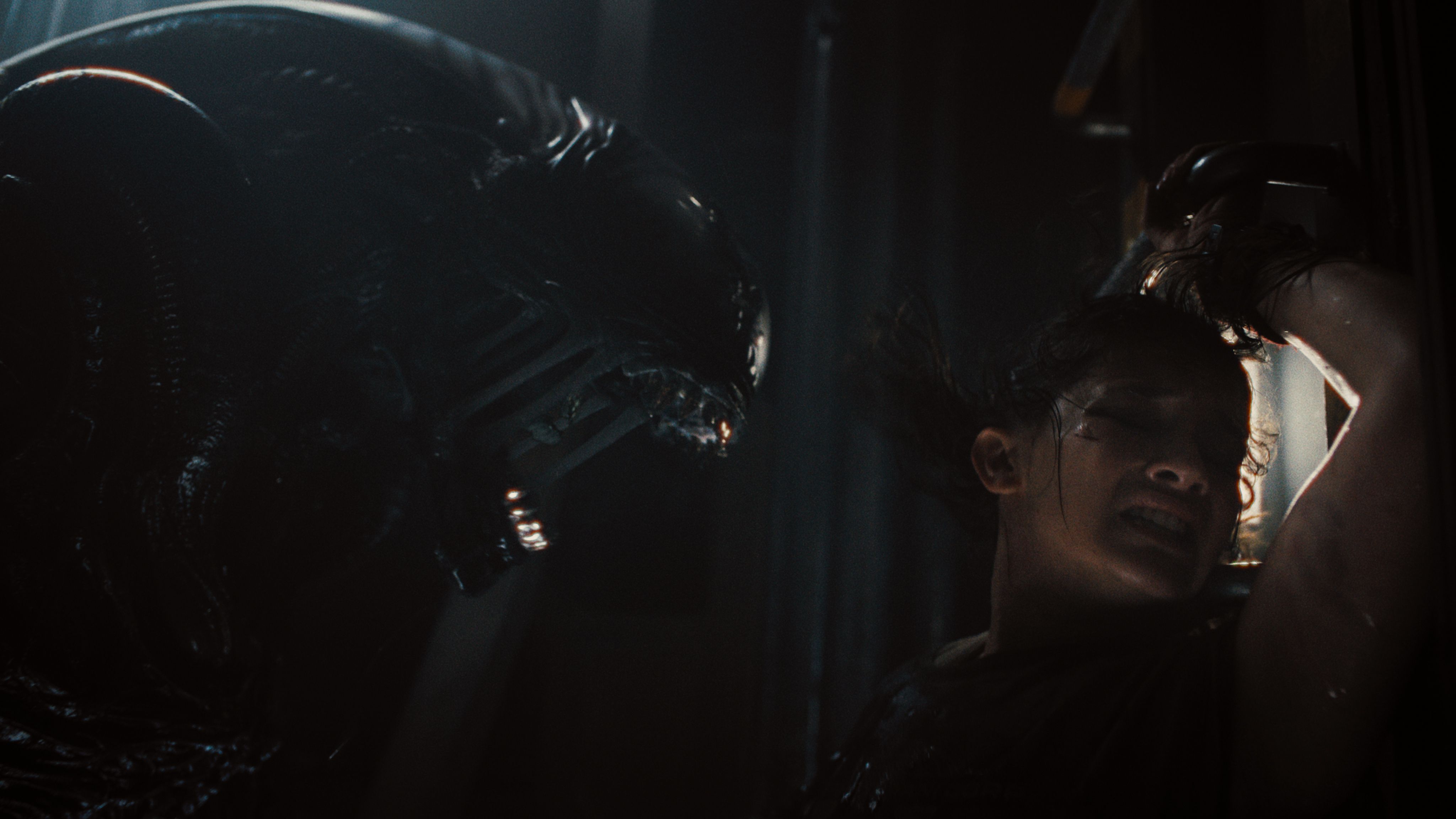
The Alien franchise stretches back to its first release in 1979 under Ridley Scott and now spans seven main films plus several shorts. It holds a unique place in sci-fi movies in that not only did it help solidify the sub-genre of horror science fiction for a modern mainstream audience, but also was well known for its inventive use of special effects. That, and it established Sigourney Weaver’s character, Ripley, as the most hardcore female sci-fi protagonist ever.
romulus_dtrl4_v16_s240_t_240528_g_r709f.089276L.jpg

While Ripley isn’t seen in this latest release, Alien: Romulus, we do get plenty of Alien-esque vibes, callbacks, and tropes. 

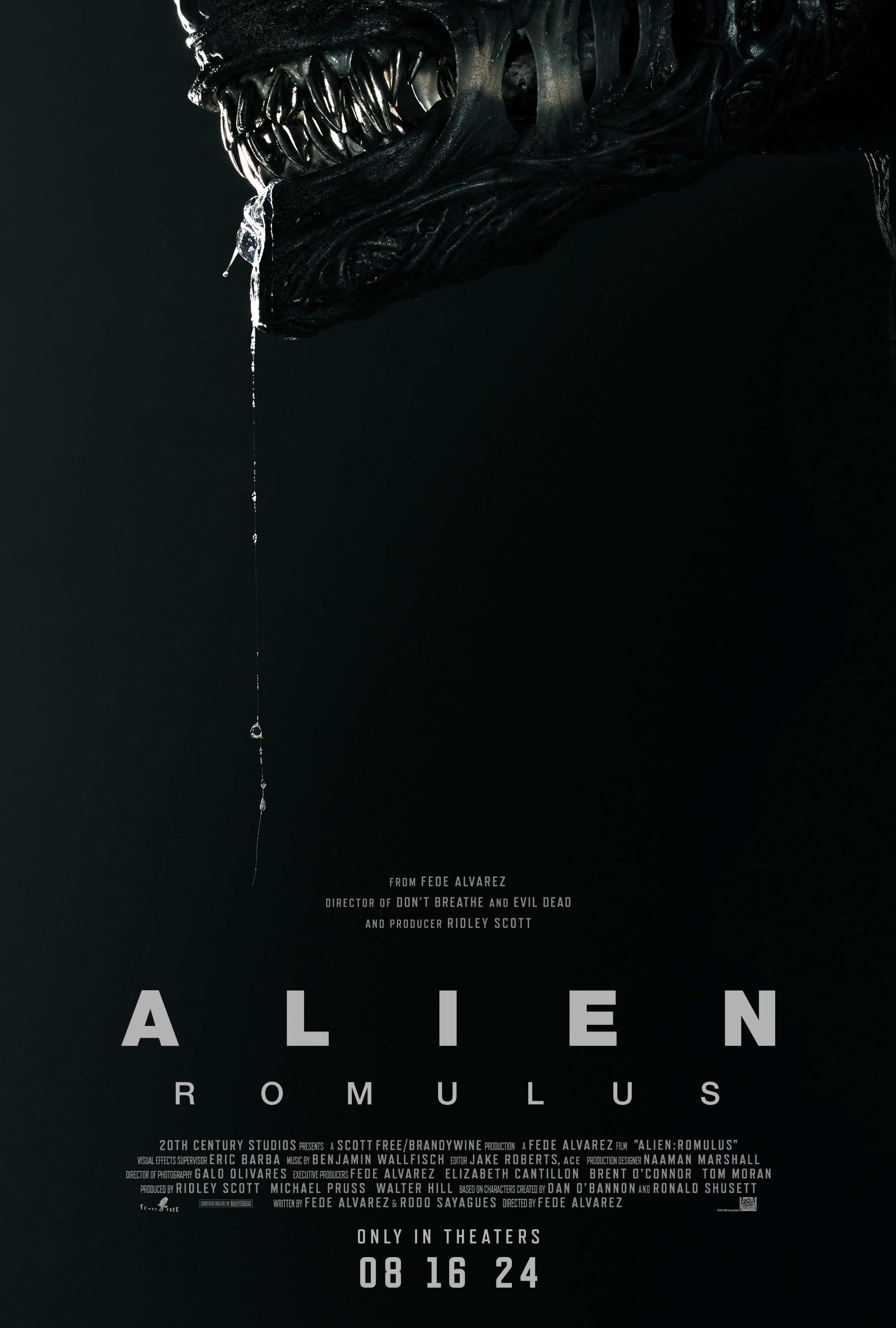
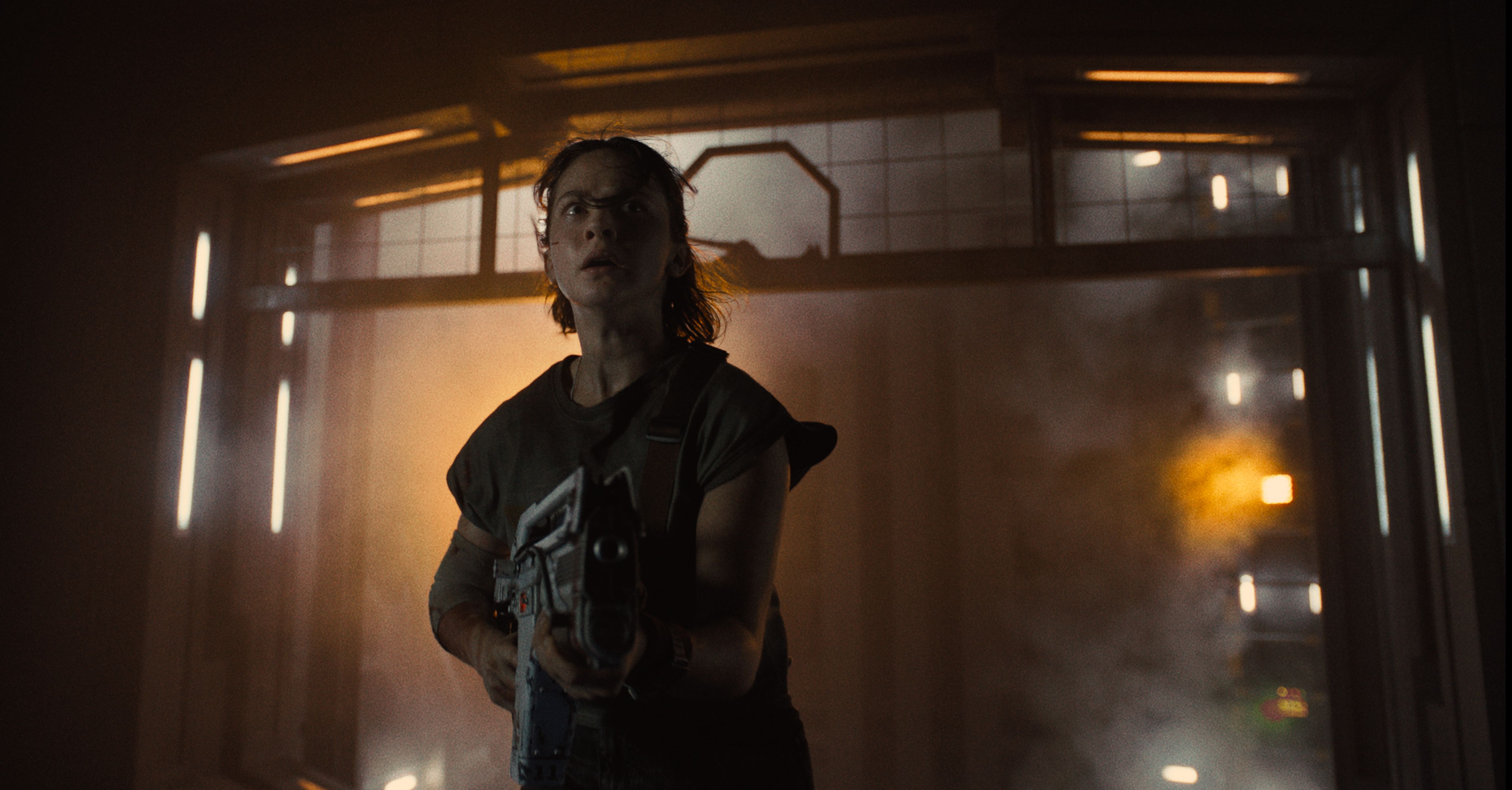
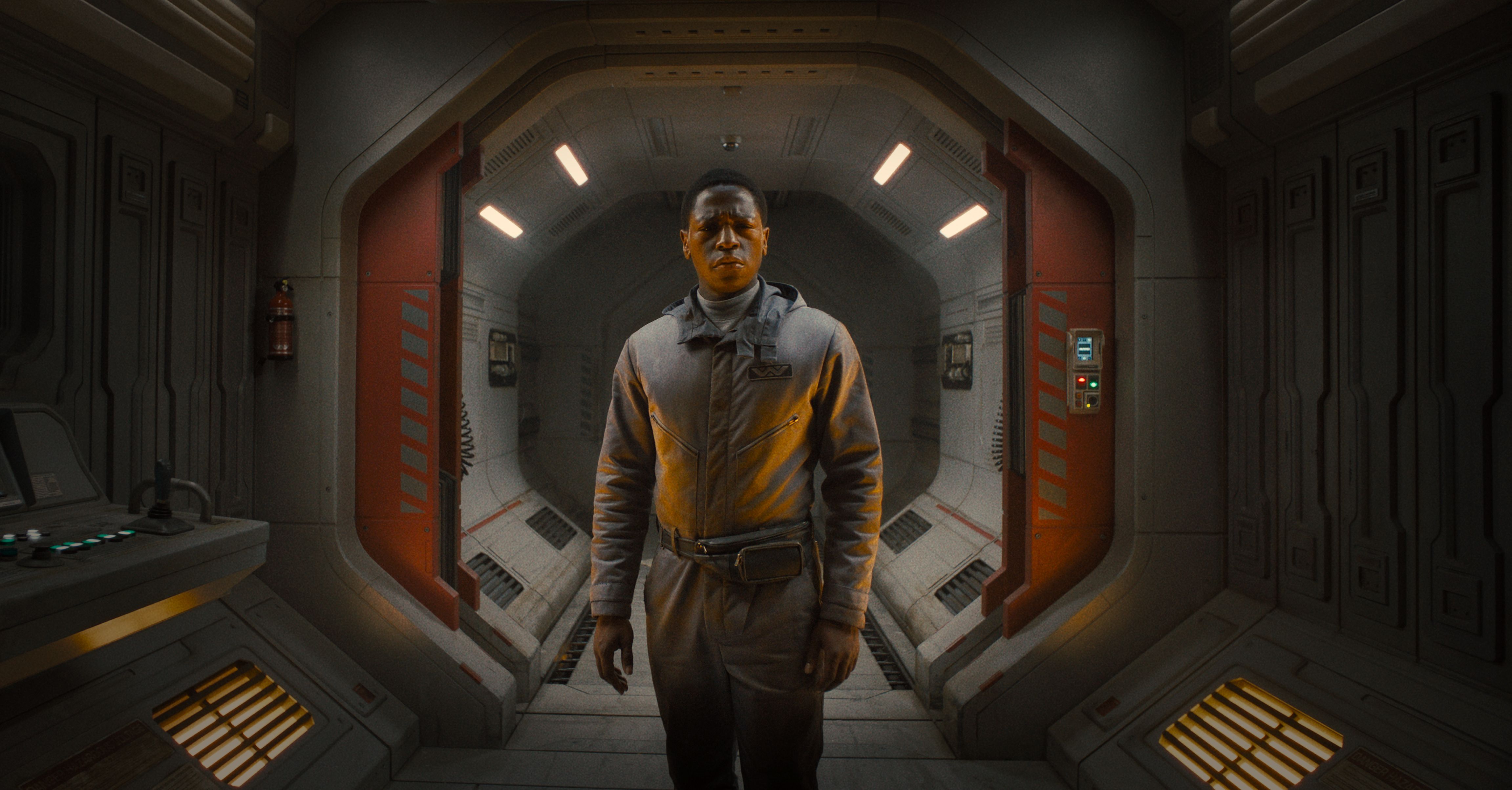
Romulus follows Rain Carradine (Cailee Spaney) and her synthetic brother, Andy, played by David Jonsson, as they try for greener pastures. Stuck in a dead-end job on a forgotten mining planet and denied their travel papers, the pair are desperate enough to join their friends in a crazy heist of the abandoned Romulus station, looking for tech to help them off the planet and head for somewhere they can be free.
ALIEN_ROM_1SHT_DIGITAL_sRGB_Teaser_V9.jpg

You can bet your fuel cells things don’t go as smoothly as planned, and as these things often go, their predicament descends from good to catastrophic rather quickly.

Taking place in between Scott’s Alien and the James Cameron-led sequel, Aliens (yes, plural), Romulus is a bit of an oddball among the films, not really adding all that much to the world-building of the universe it takes place in or furthering any overarching story forward. Instead, it is a stand-alone, with characters unrelated to those from the main series. It is a side story meant to be enjoyed anytime you want without the added baggage of years of lore and backstory, which makes it a perfect movie for new audiences to start their Alien journey.
ALN-TF-RainElevator.jpg

Director Fede Alvarez has said that he intended to bring the Alien films back to their horror roots, and he has done just that. Yes, it is sci-fi and takes place in a space station in orbit around some forsaken planet, but the movie's pulse is horror as Rain and her companions struggle to stay alive long enough to get off. There are jump scares, grotesque abominations, face huggers, and slime. Lots of slime and blood. Oh, surprise twist (maybe not): only some make it out alive.

Great pains were taken to not only give the movie a horror vibe but also to match the look and flavor of the original in the 70s through shot choices, pacing, and set design. Even the monitor readings eschewed the more modern motion graphics, favoring the retro feel. Not counting the obvious advancements in visual effects, one could watch the original and then this without noticing the decades in between.
ALN-TF-AndyLight.jpg

There are several references to previous Alien films. While they are fun and long-time viewers and fans will surely pick up on and appreciate them, the movie always focuses on fanservice and nostalgia. This movie is thoroughly enjoyable, even if it is your gateway into the Alien universe.

You can head down to your nearest cinema to catch Alien: Romulus. May you survive the experience.

ADVERTISEMENT
.most-popular .layout-ratio{ padding-bottom: 79.13%; } @media (min-width: 768px) and (max-width: 1024px) { .widget-title { font-size: 15px !important; } }

{{ articles_filter_1561_widget.title }}

.most-popular .layout-ratio{ padding-bottom: 79.13%; } @media (min-width: 768px) and (max-width: 1024px) { .widget-title { font-size: 15px !important; } }

{{ articles_filter_1562_widget.title }}

.most-popular .layout-ratio{ padding-bottom: 79.13%; } @media (min-width: 768px) and (max-width: 1024px) { .widget-title { font-size: 15px !important; } }

{{ articles_filter_1563_widget.title }}

{{ articles_filter_1564_widget.title }}

.mb-article-details { position: relative; } .mb-article-details .article-body-preview, .mb-article-details .article-body-summary{ font-size: 17px; line-height: 30px; font-family: "Libre Caslon Text", serif; color: #000; } .mb-article-details .article-body-preview iframe , .mb-article-details .article-body-summary iframe{ width: 100%; margin: auto; } .read-more-background { background: linear-gradient(180deg, color(display-p3 1.000 1.000 1.000 / 0) 13.75%, color(display-p3 1.000 1.000 1.000 / 0.8) 30.79%, color(display-p3 1.000 1.000 1.000) 72.5%); position: absolute; height: 200px; width: 100%; bottom: 0; display: flex; justify-content: center; align-items: center; padding: 0; } .read-more-background a{ color: #000; } .read-more-btn { padding: 17px 45px; font-family: Inter; font-weight: 700; font-size: 18px; line-height: 16px; text-align: center; vertical-align: middle; border: 1px solid black; background-color: white; } .hidden { display: none; }
function initializeAllSwipers() { // Get all hidden inputs with cms_article_id document.querySelectorAll('[id^="cms_article_id_"]').forEach(function (input) { const cmsArticleId = input.value; const articleSelector = '#article-' + cmsArticleId + ' .body_images'; const swiperElement = document.querySelector(articleSelector); if (swiperElement && !swiperElement.classList.contains('swiper-initialized')) { new Swiper(articleSelector, { loop: true, pagination: false, navigation: { nextEl: '#article-' + cmsArticleId + ' .swiper-button-next', prevEl: '#article-' + cmsArticleId + ' .swiper-button-prev', }, }); } }); } setTimeout(initializeAllSwipers, 3000); const intersectionObserver = new IntersectionObserver( (entries) => { entries.forEach((entry) => { if (entry.isIntersecting) { const newUrl = entry.target.getAttribute("data-url"); if (newUrl) { history.pushState(null, null, newUrl); let article = entry.target; // Extract metadata const author = article.querySelector('.author-section').textContent.replace('By', '').trim(); const section = article.querySelector('.section-info ').textContent.replace(' ', ' '); const title = article.querySelector('.article-title h1').textContent; // Parse URL for Chartbeat path format const parsedUrl = new URL(newUrl, window.location.origin); const cleanUrl = parsedUrl.host + parsedUrl.pathname; // Update Chartbeat configuration if (typeof window._sf_async_config !== 'undefined') { window._sf_async_config.path = cleanUrl; window._sf_async_config.sections = section; window._sf_async_config.authors = author; } // Track virtual page view with Chartbeat if (typeof pSUPERFLY !== 'undefined' && typeof pSUPERFLY.virtualPage === 'function') { try { pSUPERFLY.virtualPage({ path: cleanUrl, title: title, sections: section, authors: author }); } catch (error) { console.error('ping error', error); } } // Optional: Update document title if (title && title !== document.title) { document.title = title; } } } }); }, { threshold: 0.1 } ); function showArticleBody(button) { const article = button.closest("article"); const summary = article.querySelector(".article-body-summary"); const body = article.querySelector(".article-body-preview"); const readMoreSection = article.querySelector(".read-more-background"); // Hide summary and read-more section summary.style.display = "none"; readMoreSection.style.display = "none"; // Show the full article body body.classList.remove("hidden"); } document.addEventListener("DOMContentLoaded", () => { let loadCount = 0; // Track how many times articles are loaded const offset = [1, 2, 3, 4, 5, 6, 7, 8, 9, 10]; // Offset values const currentUrl = window.location.pathname.substring(1); let isLoading = false; // Prevent multiple calls if (!currentUrl) { console.log("Current URL is invalid."); return; } const sentinel = document.getElementById("load-more-sentinel"); if (!sentinel) { console.log("Sentinel element not found."); return; } function isSentinelVisible() { const rect = sentinel.getBoundingClientRect(); return ( rect.top < window.innerHeight && rect.bottom >= 0 ); } function onScroll() { if (isLoading) return; if (isSentinelVisible()) { if (loadCount >= offset.length) { console.log("Maximum load attempts reached."); window.removeEventListener("scroll", onScroll); return; } isLoading = true; const currentOffset = offset[loadCount]; window.loadMoreItems().then(() => { let article = document.querySelector('#widget_1690 > div:nth-last-of-type(2) article'); intersectionObserver.observe(article) loadCount++; }).catch(error => { console.error("Error loading more items:", error); }).finally(() => { isLoading = false; }); } } window.addEventListener("scroll", onScroll); });

Sign up by email to receive news.