







The new fairways of growth
Published Aug 31, 2026 07:03 am
|
Updated Aug 31, 2026 06:48 am


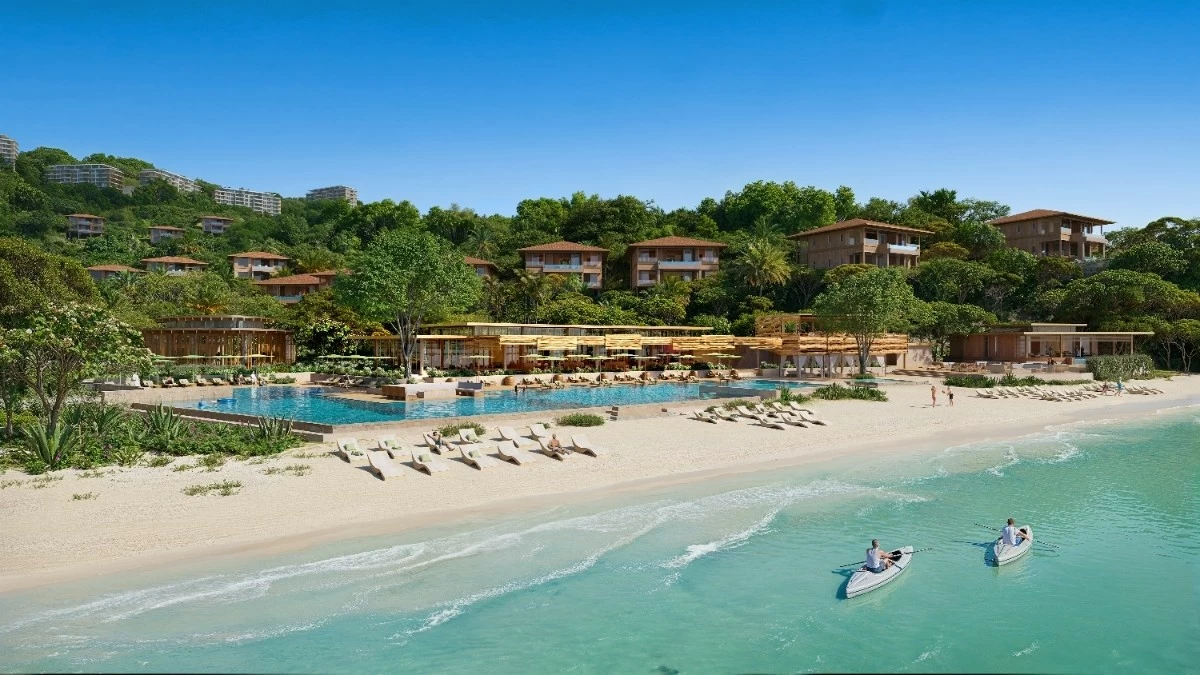
Cabo San Diego (Artist's perspective: Rockwell Land)
Market Signals by Joey Roi Bondoc, director and head of Research, Colliers Philippines
The demand for properties is expanding beyond the traditional urban core. Previously, growth was confined within major business districts in Metro Manila with key cities outside the capital region merely serving as residential communities for employees.
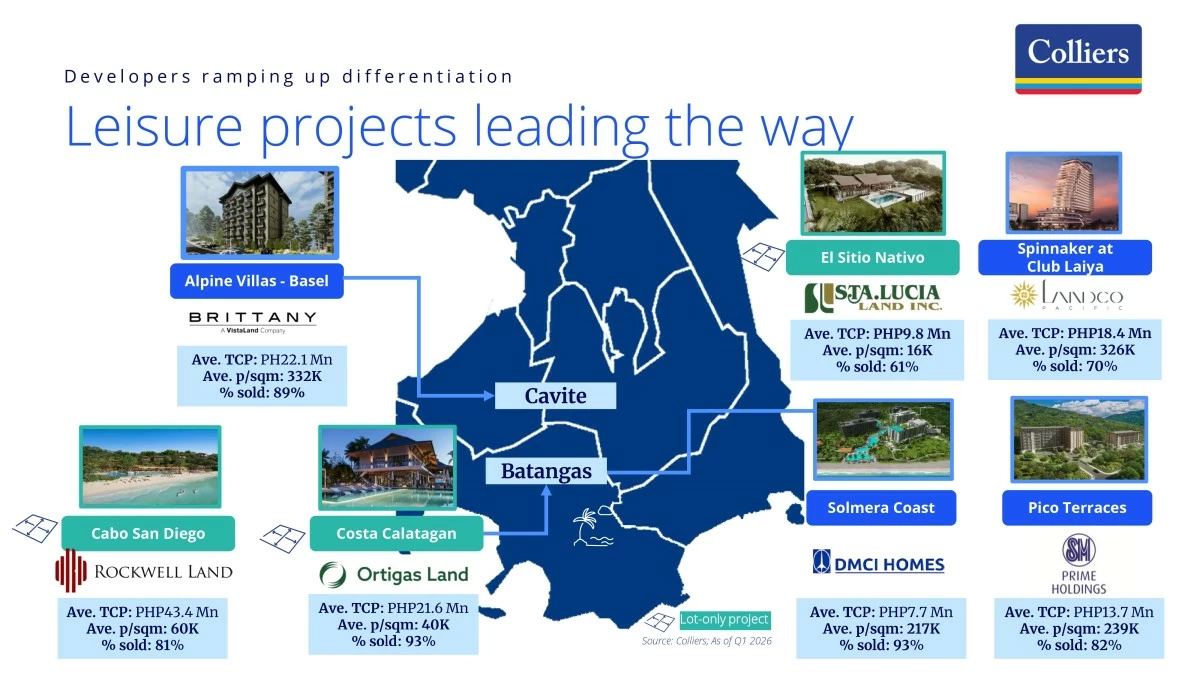
At Colliers Philippines, we are seeing a new growth story. This is being rewritten in golf communities, resort-themed developments, and leisure-oriented townships where lifestyle has become just as important as location.
This shift is not merely about affluent buyers searching for larger homes or more scenic views. It reflects a deeper evolution in how Filipinos and foreign investors evaluate real estate. As I always share during my property briefings, the pandemic accelerated the desire for open spaces, healthy environments, upscale amenities and communities that offer opportunities to live, work, and unwind in one location.
(Image: Colliers Philippines)
Cashing in on golf’s popularity
Developers have responded aggressively. Major property firms are launching golf estates and leisure-oriented communities across the country, from Clark to Batangas and Bataan to Cavite and other emerging provincial locations. These projects are no longer standalone leisure destinations. They are master-planned communities integrating residential enclaves, commercial districts, hospitality components, educational institutions, and healthcare facilities.We always stress that what makes golf communities particularly compelling is their role in placemaking. In an increasingly competitive property environment, developers need strong differentiators. Golf courses, expansive open spaces, sports facilities, and lifestyle amenities transform projects into destinations rather than simple residential addresses. Well-executed placemaking encourages residents to stay longer, spend more, and create stronger community engagement. This ultimately enhances the long-term value of the development. These projects also play an important role in attracting more foreign visitors and potential buyers, further raising price appreciation potential of residential projects.
(Image: Colliers Philippines)
Infra implementation facilitating expansion
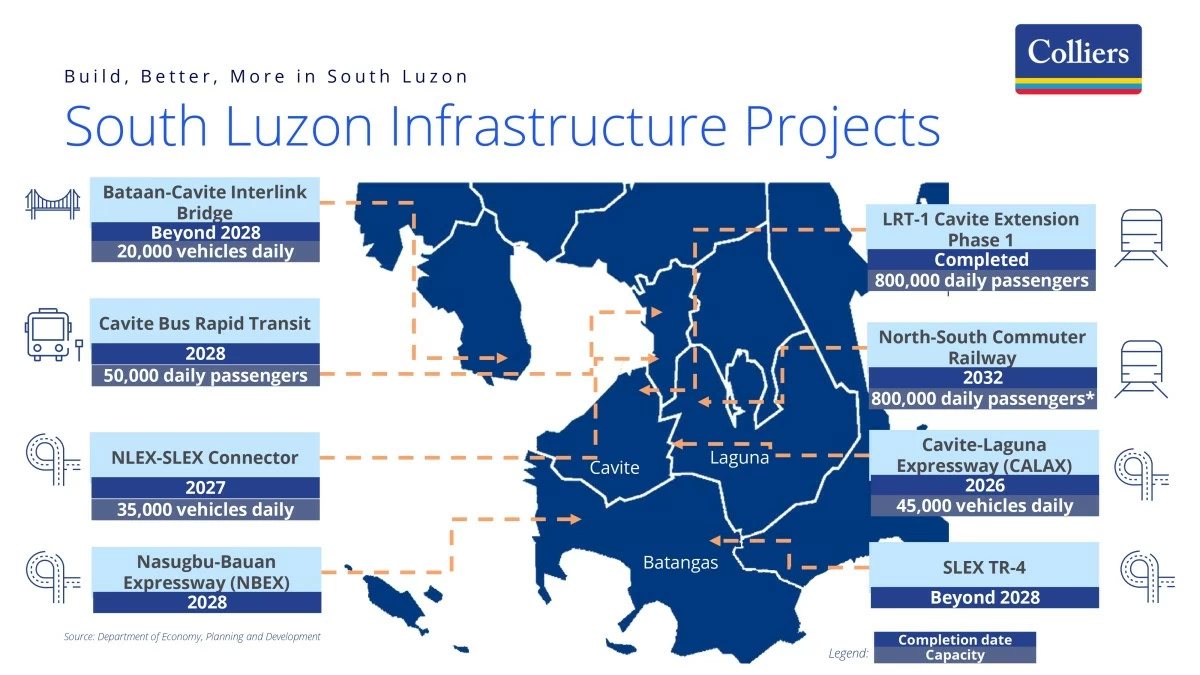
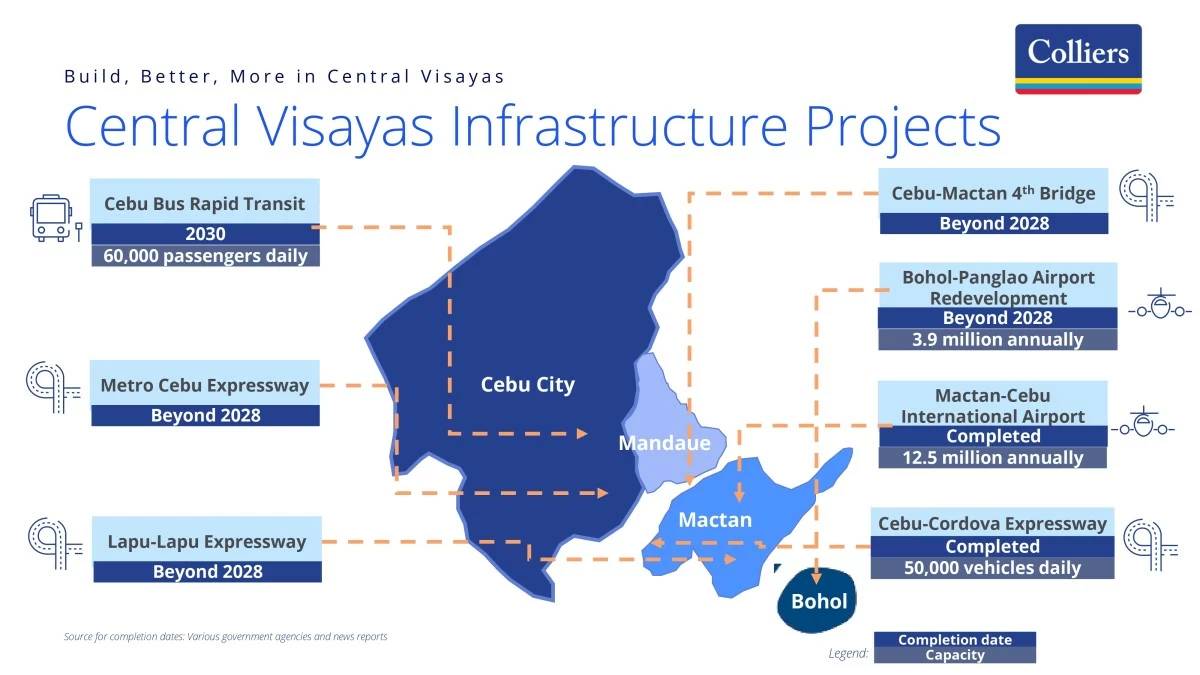
Across the country, new expressways, bypass roads, airports, seaports, and railway projects are dramatically reducing travel times to leisure destinations. Areas that once required several hours of travel are becoming viable locations for primary residences, retirement homes, or investment properties. Accessibility is transforming perception. What was previously considered a weekend destination can now function as an extension of Metro Manila's residential market.This infrastructure-led transformation creates an interesting dynamic. As connectivity improves, property values often move ahead of actual population migration. Investors enter early, anticipating future demand from homeowners and end-users who will eventually benefit from better accessibility. In many cases, infrastructure serves as the catalyst while lifestyle-oriented developments provide the compelling reason for people to relocate or invest.
(Image: Colliers Philippines)
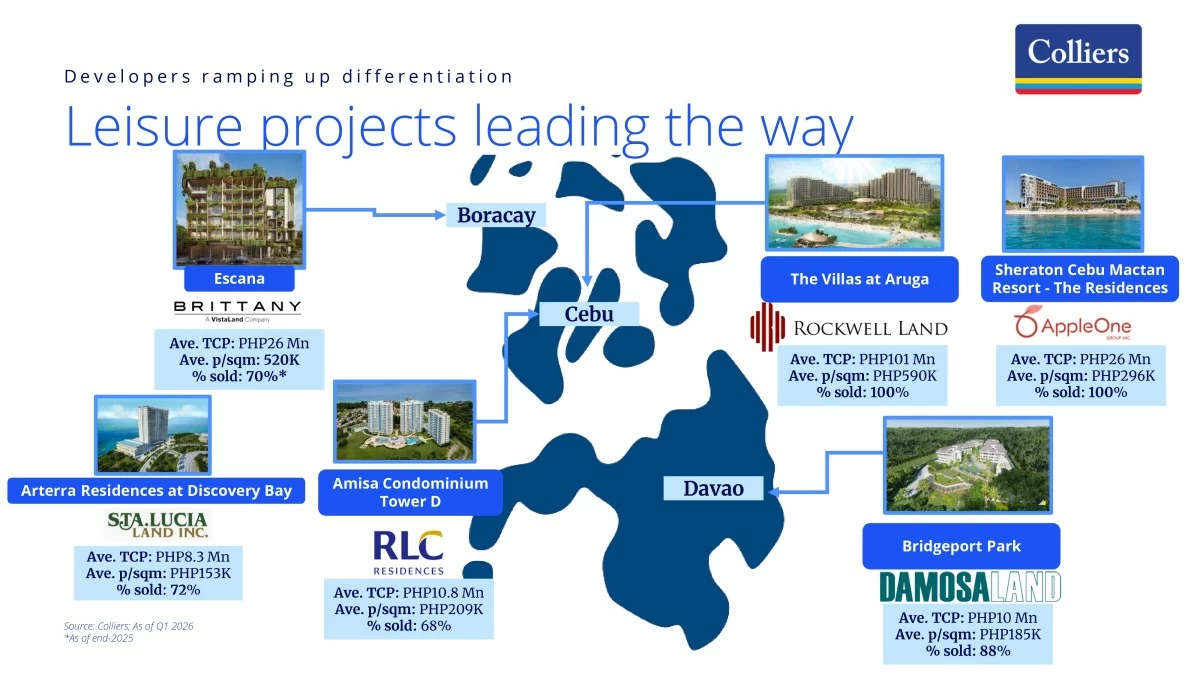
Another factor supporting long-term growth is tourism. As domestic and international travel continue to strengthen, developments located near golf courses, beaches, and leisure destinations stand to benefit from a broader base of consumers. These properties appeal not only to permanent residents but also to short-term tenants, vacationers, retirees, and balikbayans seeking alternative investment opportunities.
More importantly, golf communities are no longer exclusive to golfers. The fairway may be the centerpiece, but the real attraction is the lifestyle ecosystem built around it. Buyers are purchasing access to greener surroundings, wellness-oriented amenities, outdoor recreation, and an adequate level of exclusivity.
(Image: Colliers Philippines)
Where the investors are heading next
The Philippine property market is entering a new phase where experience and lifestyle are becoming powerful demand drivers. In the past, buyers followed offices. Today, many buyers are following quality of life. For investors looking for the next wave of residential appreciation, it may be worth keeping an eye on where the country's newest roads, expressways, and transport links are heading. Increasingly, many of those routes lead not to traditional business districts, but to golf courses, resort communities, and leisure-oriented townships.Exclusivity will always be a key consideration when acquiring properties outside of Metro Manila; but equally attractive are amenities, after-sales services, and of course, connectivity. Outside of the capital region, expect more high-end developments in Batangas, Pampanga, Cebu, Bohol, Davao, and Cagayan de Oro.