






Manila Bulletin
 Business
Trade & Industry
DOE seeks 5 gigawatts from idle coal plants to avert outages
Business
Trade & Industry
DOE seeks 5 gigawatts from idle coal plants to avert outages
Business
Trade & Industry
DOE seeks 5 gigawatts from idle coal plants to avert outages
DOE seeks 5 gigawatts from idle coal plants to avert outages
Published Aug 31, 2026 12:01 am
|
Updated Aug 29, 2026 12:59 pm


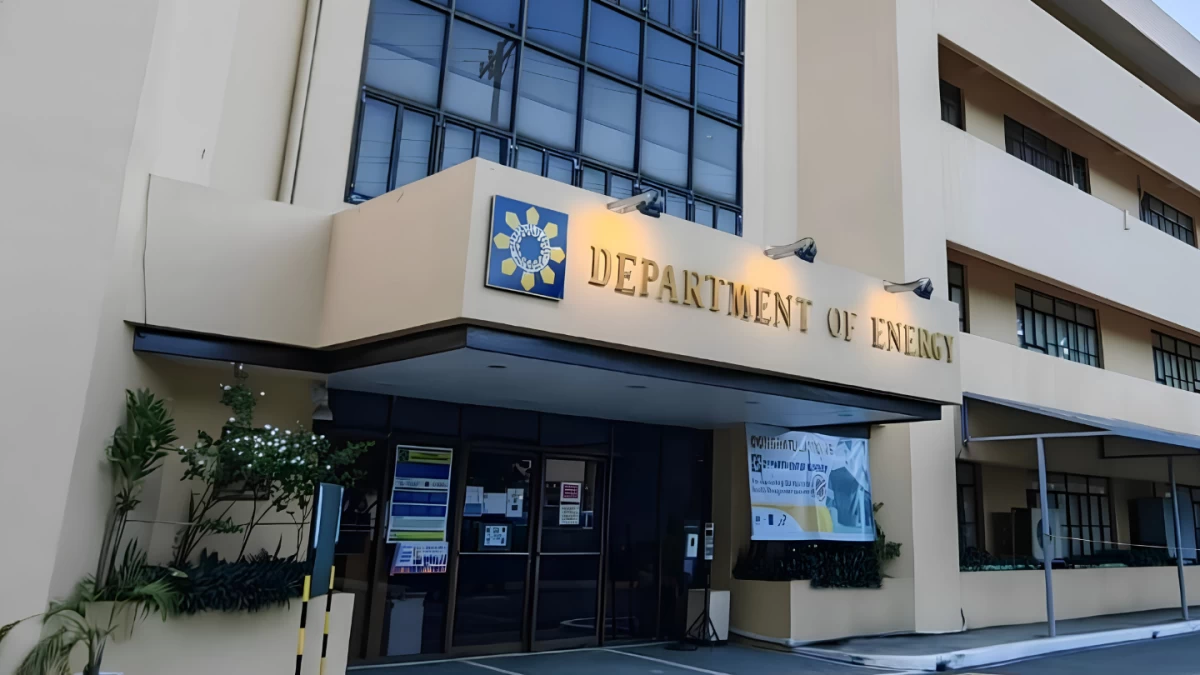
The Department of Energy (DOE) is drafting a policy to compel power developers to either build stalled coal plants or surrender their permits, part of an effort to unlock as much as five gigawatts of delayed generation capacity.
Energy Undersecretary Rowena Guevara said the directive targets projects that received exemptions from a 2020 moratorium on new coal-fired power infrastructure but have failed to break ground.
By establishing strict work plans and binding execution schedules, Guevara said the DOE aims to force firms to proceed with construction or officially abandon their projects to make room for alternative generation capacity.
She explained that the measure would address a key weakness in energy governance: while renewable energy contracts include clear milestones and automatic termination clauses for non-compliance, fossil fuel developments have operated without similar enforcement mechanisms.
“You can see our existing coal plants break down, some are derated, they won’t be able to produce 100 percent,” Guevara told reporters last week. “Because of this, we need to build those that are not covered by the moratorium… They’re not covered by it, but they are not building,” she added.
The country is currently facing urgent supply buffer challenge as aging coal stations suffer frequent unscheduled outages, squeezing reserve margins in the main Luzon grid.
The DOE originally intended to issue the guidelines in June, though officials postponed the rollout to conduct further industry consultations.
The impending policy will not lift or weaken the 2020 coal ban. Instead, it tightens oversight on the handful of pre-approved or legacy expansion assets deemed critical for short-term grid reliability while the country transitions toward its long-term climate targets.
“We have to fulfill our Nationally Determined Contributions, we have to fulfill our renewable energy targets,” Guevara said. “At the end of the day, we cannot have sudden brownouts.”
Philippines power producers face mounting pressure to deliver on promised infrastructure investments as expanding industrial demand outpaces the deployment of stable baseload power, threatening the domestic economic outlook.