

ADVERTISEMENT

For labor group, NCR wage hike order technically in effect

Published Aug 30, 2026 07:12 pm

At A Glance

  • AMWEA‑PTGWO asserts that NCR Wage Order No. 27 is already effective, requiring companies to pay the ₱60 minimum wage increase after the TRO lapsed and the injunction bond was not posted.
  • The group stresses that Readycon and RII‑Builders' petition only covers their own firms, not all NCR employers, since declaratory relief is an action in personam.
  • AMWEA‑PTGWO urges Metro Manila companies to voluntarily comply, warning that DOLE may be flooded with cases if workers are not properly paid.
(MANILA BULLETIN)
(MANILA BULLETIN)


The Association of Minimum Wage Earners and Advocates (AMWEA-PTGWO) is contending that the minimum wage increase under NCR (National Capital Region) Wage Order No. 27 is already in effect.
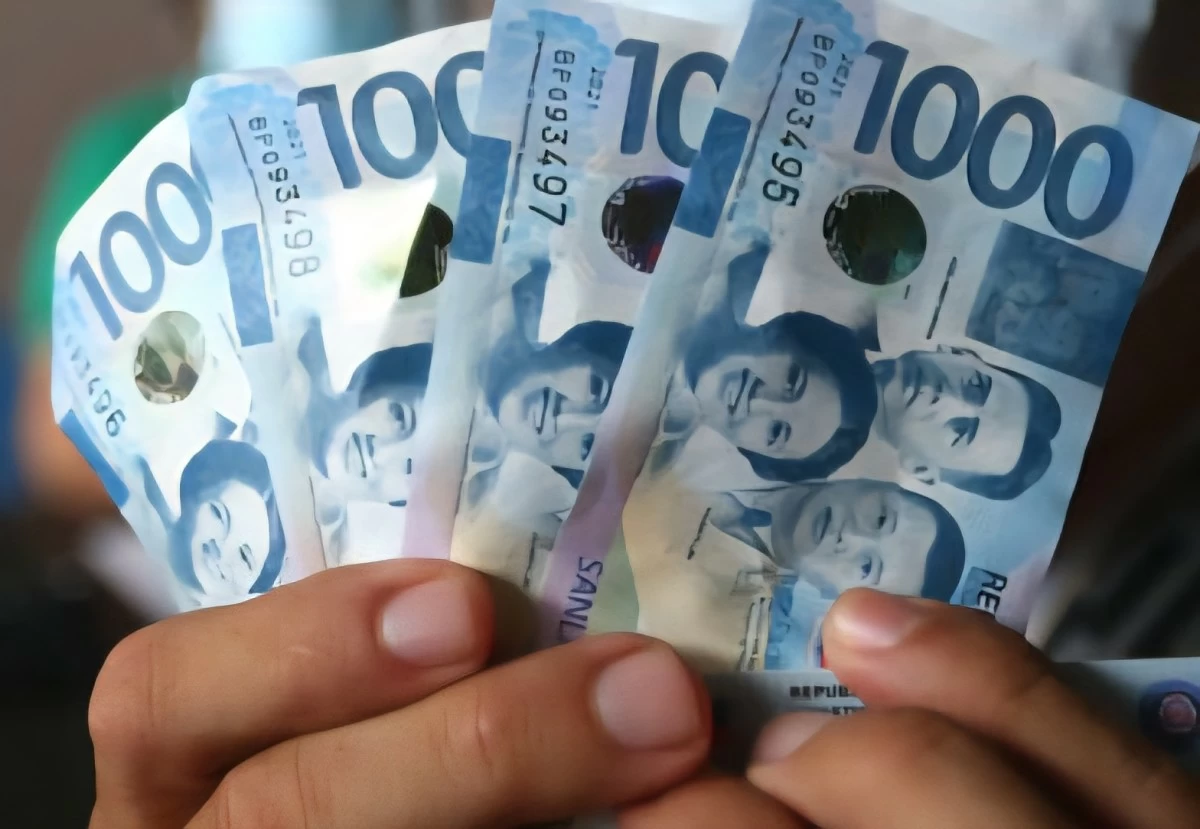
In a letter dated Aug. 27, 2026 and addressed to Department of Labor and Employment (DOLE) Secretary Francis Toletino, the group urged the immediate implementation of the ₱60 increase under the wage order.
“Dahil naglapse na ang TRO at hindi naging effective ang preliminary injunction, effective na ang Wage Order No. 27. Dapat ng bayaran ng mga kumpanya ang ₱60 na umento sa minimum wage,” said AMWEA-PTGWO, a duly recognized labor organization by DOLE.
(Since the TRO has lapsed and the preliminary injunction was not effective, Wage Order No. 27 is now in effect. Companies must pay the ₱60 increase in the minimum wage.)
The group is one of the intervenors in the declaratory relief case pending with the Pasig Regional Trial Court (RTC) Branch No. 152, as filed by petitioners Readycon Trading and Construction Corporation and RII-Builders, Inc., and with the NCR Regional Tripartite Wage and Productivity Board (Wage Board) and the National Wages and Productivity Commission (NWPC), as respondents.
Judge Marie Joyce Manongsong, in the Order dated Aug. 13, 2026, granted the writ of preliminary injunction enjoining the Wage Board and NWPC from implementing Wage Order No. 27. However, this was predicated upon the petitioners' putting up a bond of P10 billion.
Readycon and RII-Builders were not able to put up the bond as required by the court. Instead the petitioner-companies asked for a reconsideration on the injunction bond in a Manifestation and Omnibus Motion dated Aug. 16, 2026.
In the meantime, the Temporary Restraining Order (TRO) issued last Aug. 4, 2026 already lapsed.
“Ang sabi ng motion ng Readycon at RII-Builders, napakalaki daw ng bond na 10 bilyong piso. Nagtaka sila kung bakit ang halaga ng bond ay binatay sa region wide impact ng injunction. Ito ay samantalang hindi naman sila nagsampa ng class suit para sa lahat ng mga employers sa NCR," AMWEA-PTGWO said.
(The motion of Readycon and RII-Builders said that the ₱10‑billion bond was too large. They wondered why the bond amount was based on the region‑wide impact of the injunction, even though they did not file a class suit for all employers in NCR.)
From the start, AMWEA‑PTGWO said it believed that not all workers in NCR could be covered, since they are not part of the case. This is because a declaratory relief case is an action in personam (against a persom), not in rem (against a thing).
"Ngayon ay nilinaw ng Readycon at RII-Builders na ganito nga ang kanilang intensyon sa kanilang petisyon. Hindi nila intindihin ang kalahatan ng mga manggagawa sa NCR. Ang sa kanilang konsiderasyon at interes ay ang sarili lamang nilang mga kumpanya,” the group continued.
(Now Readycon and RII‑Builders have clarified that this was indeed their intention in their petition. They do not consider all workers in NCR. Their concern and interest are only for their own companies.)
The AMWEA is affiliated with the Philippine Trade and General Workers Organization (PTGWO), the country’s biggest federation of labor unions and organizations, as officially recognized by the DOLE. AMWEA-PTGWO joined several labor groups in filing for an intervention in the said case.
"Malinaw na wala ng balakid sa pagpapatupad ng first tranche na ₱60 minimum wage increase. Nawa ay kusang loob na itong ibigay ng ating mga kumpanya sa Metro Manila. Kung hindi ay baka bahain ang DOLE at mga tanggapan nito ng mga kaso upang mabayaran ng tama ang ating mga minimum wage earners at ibang pang mga manggagawa,” it concluded.
(It is clear that there are no more obstacles to implementing the first tranche ₱60 minimum wage increase. Hopefully, companies in Metro Manila will voluntarily grant this. If not, DOLE and its offices may be flooded with cases to ensure proper payment for our minimum wage earners and other workers.)

Related Tags

NCR wage hike DOLE
ADVERTISEMENT
.most-popular .layout-ratio{ padding-bottom: 79.13%; } @media (min-width: 768px) and (max-width: 1024px) { .widget-title { font-size: 15px !important; } }

{{ articles_filter_1561_widget.title }}

.most-popular .layout-ratio{ padding-bottom: 79.13%; } @media (min-width: 768px) and (max-width: 1024px) { .widget-title { font-size: 15px !important; } }

{{ static_articles_1562_widget.title }}

.most-popular .layout-ratio{ padding-bottom: 79.13%; } @media (min-width: 768px) and (max-width: 1024px) { .widget-title { font-size: 15px !important; } }

{{ articles_filter_1563_widget.title }}

{{ articles_filter_1564_widget.title }}

.mb-article-details { position: relative; } .mb-article-details .article-body-preview, .mb-article-details .article-body-summary{ font-size: 17px; line-height: 30px; font-family: "Libre Caslon Text", serif; color: #000; } .mb-article-details .article-body-preview iframe , .mb-article-details .article-body-summary iframe{ width: 100%; margin: auto; } .read-more-background { background: linear-gradient(180deg, color(display-p3 1.000 1.000 1.000 / 0) 13.75%, color(display-p3 1.000 1.000 1.000 / 0.8) 30.79%, color(display-p3 1.000 1.000 1.000) 72.5%); position: absolute; height: 200px; width: 100%; bottom: 0; display: flex; justify-content: center; align-items: center; padding: 0; } .read-more-background a{ color: #000; } .read-more-btn { padding: 17px 45px; font-family: Inter; font-weight: 700; font-size: 18px; line-height: 16px; text-align: center; vertical-align: middle; border: 1px solid black; background-color: white; } .hidden { display: none; }
function initializeAllSwipers() { // Get all hidden inputs with cms_article_id document.querySelectorAll('[id^="cms_article_id_"]').forEach(function (input) { const cmsArticleId = input.value; const articleSelector = '#article-' + cmsArticleId + ' .body_images'; const swiperElement = document.querySelector(articleSelector); if (swiperElement && !swiperElement.classList.contains('swiper-initialized')) { new Swiper(articleSelector, { loop: true, pagination: false, navigation: { nextEl: '#article-' + cmsArticleId + ' .swiper-button-next', prevEl: '#article-' + cmsArticleId + ' .swiper-button-prev', }, }); } }); } setTimeout(initializeAllSwipers, 3000); const intersectionObserver = new IntersectionObserver( (entries) => { entries.forEach((entry) => { if (entry.isIntersecting) { const newUrl = entry.target.getAttribute("data-url"); if (newUrl) { history.pushState(null, null, newUrl); let article = entry.target; // Extract metadata const author = article.querySelector('.author-section').textContent.replace('By', '').trim(); const section = article.querySelector('.section-info ').textContent.replace(' ', ' '); const title = article.querySelector('.article-title h1').textContent; // Parse URL for Chartbeat path format const parsedUrl = new URL(newUrl, window.location.origin); const cleanUrl = parsedUrl.host + parsedUrl.pathname; // Update Chartbeat configuration if (typeof window._sf_async_config !== 'undefined') { window._sf_async_config.path = cleanUrl; window._sf_async_config.sections = section; window._sf_async_config.authors = author; } // Track virtual page view with Chartbeat if (typeof pSUPERFLY !== 'undefined' && typeof pSUPERFLY.virtualPage === 'function') { try { pSUPERFLY.virtualPage({ path: cleanUrl, title: title, sections: section, authors: author }); } catch (error) { console.error('ping error', error); } } // Optional: Update document title if (title && title !== document.title) { document.title = title; } } } }); }, { threshold: 0.1 } ); function showArticleBody(button) { const article = button.closest("article"); const summary = article.querySelector(".article-body-summary"); const body = article.querySelector(".article-body-preview"); const readMoreSection = article.querySelector(".read-more-background"); // Hide summary and read-more section summary.style.display = "none"; readMoreSection.style.display = "none"; // Show the full article body body.classList.remove("hidden"); } document.addEventListener("DOMContentLoaded", () => { let loadCount = 0; // Track how many times articles are loaded const offset = [1, 2, 3, 4, 5, 6, 7, 8, 9, 10]; // Offset values const currentUrl = window.location.pathname.substring(1); let isLoading = false; // Prevent multiple calls if (!currentUrl) { console.log("Current URL is invalid."); return; } const sentinel = document.getElementById("load-more-sentinel"); if (!sentinel) { console.log("Sentinel element not found."); return; } function isSentinelVisible() { const rect = sentinel.getBoundingClientRect(); return ( rect.top < window.innerHeight && rect.bottom >= 0 ); } function onScroll() { if (isLoading) return; if (isSentinelVisible()) { if (loadCount >= offset.length) { console.log("Maximum load attempts reached."); window.removeEventListener("scroll", onScroll); return; } isLoading = true; const currentOffset = offset[loadCount]; window.loadMoreItems().then(() => { let article = document.querySelector('#widget_1690 > div:nth-last-of-type(2) article'); intersectionObserver.observe(article) loadCount++; }).catch(error => { console.error("Error loading more items:", error); }).finally(() => { isLoading = false; }); } } window.addEventListener("scroll", onScroll); });

Sign up by email to receive news.