






Manila Bulletin
 Philippines
National
Sarmiento urges youth to turn peace studies into practical solutions
Philippines
National
Sarmiento urges youth to turn peace studies into practical solutions
Philippines
National
Sarmiento urges youth to turn peace studies into practical solutions
Sarmiento urges youth to turn peace studies into practical solutions
Published Aug 28, 2026 03:13 pm


At A Glance
- Presidential Peace Adviser Mel Senen S. Sarmiento urged the youth to turn education into action as he called on students to develop practical solutions to peace and security challenges facing the region.
- He made the remarks during the ASEAN Institute for Peace and Reconciliation (ASEAN-IPR) University Tour at Ateneo de Manila University. The activity promoted peacebuilding dialogue by bringing together students, academics and peace stakeholders to discuss research, conflict resolution and emerging regional threats.
- The country pushes youth and academic participation in peace efforts as ASEAN chair, with discussions covering violent extremism, disinformation, cybersecurity, maritime concerns and climate-related risks.
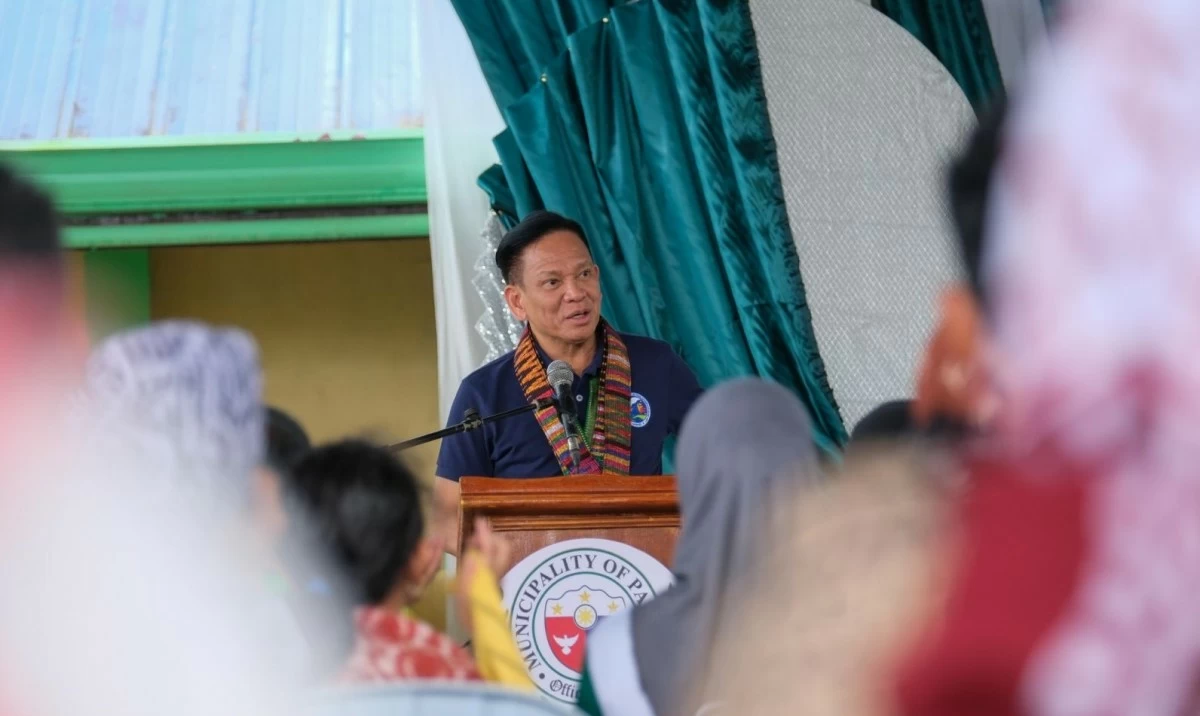
Office of the Presidential Adviser on Peace, Reconciliation, and Unity (OPAPRU) Secretary Mel Senen S. Sarmiento (Photo: OPAPRU)
Presidential Peace Adviser Mel Senen S. Sarmiento on Thursday urged students and young people to use their education to develop workable responses to the region’s peace and security concerns.
Speaking at the launch of the ASEAN Institute for Peace and Reconciliation (ASEAN-IPR) University Tour at Ateneo de Manila University on Thursday, Aug. 27, Sarmiento said universities have a key role in developing future leaders and strengthening peacebuilding efforts across Southeast Asia.
“You are not merely observers of the challenges facing our region. You will eventually become policymakers, public servants, researchers, community leaders, and perhaps peacebuilders yourselves,” Sarmiento told students of the university.
“Use your education to ask difficult questions, but also to find practical solutions. Study what works. Learn from the successes and failures of others. And when you find a good idea that can improve people’s lives, do not be afraid to adapt it, improve it, and put it to work,” he added.
The university tour was organized by the ASEAN-IPR in partnership with the Ateneo School of Government and the Office of the Presidential Adviser on Peace, Reconciliation, and Unity (OPAPRU).
It brought together students, academics, and other peace stakeholders for discussions on peacebuilding, conflict resolution, and the changing security environment in the region.
Sarmiento said the initiative was meant to bring the work of the ASEAN-IPR closer to academic institutions while creating opportunities for research, dialogue, and the sharing of experiences.
He said President Ferdinand Marcos Jr., as chair of the 2026 ASEAN Summit, had called on the ASEAN-IPR to further advance its mandate through research, advocacy, peace education and stronger engagement with universities and other stakeholders.
Marcos has also emphasized the participation of women and young people as partners in building peace, rather than simply as beneficiaries of peace efforts, Sarmiento said.
The discussions covered both traditional and non-traditional threats, including violent extremism, disinformation, cybersecurity, maritime concerns and climate-related risks.
“These challenges remind us that peace cannot be built in isolation. They require cooperation among governments, communities, universities, think tanks, and especially our young people,” Sarmiento said.