ADVERTISEMENT

When justice speaks in a foreign tongue

Published Aug 28, 2026 08:00 am
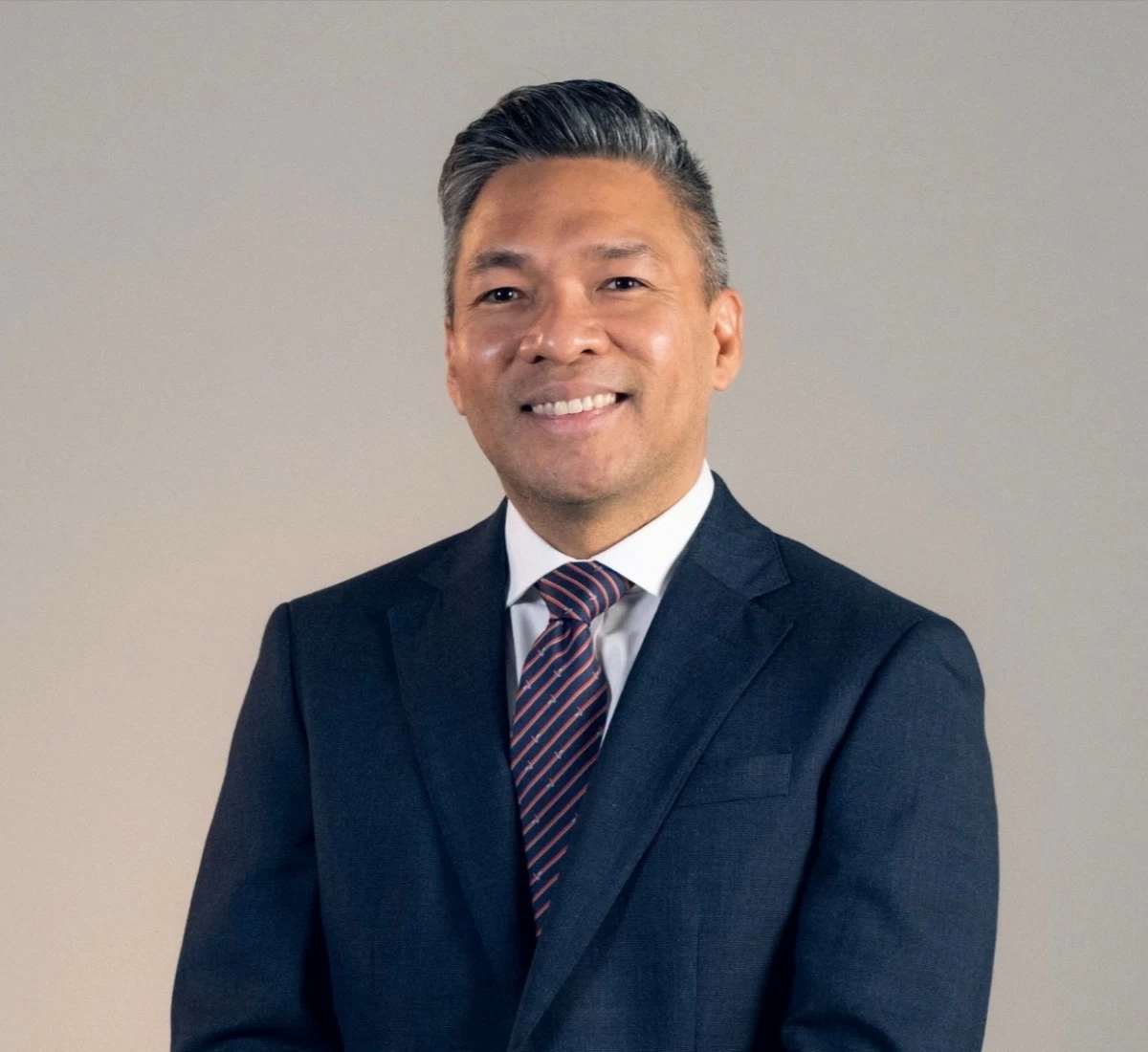
Department of Justice Undersecretary Ian Norman E. Dato
This August, as the country celebrates Buwan ng Wikang Pambansa, the Philippine Trial Lawyers Association (PTLA) has once again urged the Supreme Court to allow the use of Filipino in all court proceedings nationwide. The call draws attention to a gap that has long existed between the language of our laws and the people they are meant to serve.
For many Filipinos, the courtroom can feel like a place where justice is spoken in a foreign tongue. When court proceedings are difficult to understand, people are often left to rely on their lawyers to explain what is happening to their own lives, families, and freedoms. Justice cannot feel fully accessible when the language in which it is delivered does not feel like one’s own.
The push for a more linguistically inclusive judiciary is rooted in our highest law. The 1987 Constitution recognizes Filipino as the national language and directs the government to develop and use it as a medium of official communication. More importantly, the Bill of Rights guarantees every accused person the right to be informed of the nature and cause of the accusation against them. That right is difficult to fully realize if the explanation is delivered in a language the accused does not truly understand. It is not enough for the words to be translated; they must be naiintindihan.
The Judiciary has recently shown that it is ready to take steps in this direction. In July 2026, the Supreme Court released a landmark 26-page decision in a statutory rape case written entirely in Filipino. Penned by Justice Maria Filomena Singh, the ruling emphasized language as a bridge to justice, bringing judicial reasoning closer to the public. It followed the May 2026 decision in Velarde v. Court of Tax Appeals, also written in Filipino, signaling the Judiciary’s continuing efforts toward its Strategic Plan for Judicial Innovation.
We have also seen progress in making proceedings more inclusive. Effective December 15, 2025, the Supreme Court approved the Rules on Filipino Sign Language (FSL) Interpreting in the Judiciary, which requires courts to appoint accredited FSL interpreters in cases involving Deaf Filipinos. The measure recognizes a simple principle: the pursuit of hustisya should never be limited by a person’s ability to hear or communicate in the language used by the court.
Using Filipino in court can also improve the quality of evidence. Witnesses can describe what they saw, heard, or experienced more naturally and accurately in a language they are comfortable speaking, without first translating their thoughts into English. Filipino documents are likewise already accepted under the Rules of Court without requiring a separate translation.
But making the courts more accessible does not mean pretending the transition will be easy. Legal concepts such as “preponderance of evidence” or the specific elements of estafa carry precise meanings shaped by English and Spanish legal history. Translating them requires more than finding simpler words; it requires continuing to develop Filipino as a language capable of expressing complex legal ideas accurately.
There is also our linguistic diversity. The Philippines has more than 170 languages. In the Visayas and Mindanao, an overly Tagalog-centric Filipino could create another barrier for people more comfortable with Cebuano, Ilocano, or other local languages. Accessibility should not mean replacing one unfamiliar language with another.
The answer, therefore, is not to discard English, but to use both languages wisely—much like how Filipinos actually communicate every day. The current impeachment trial of Vice President Sara Duterte shows how moving naturally between English and Filipino can help both proceedings and the public better follow what is happening.
Ultimately, this is not simply a question of which language belongs in the courtroom. It is a question of whether people can understand the law that governs their lives, the charges brought against them, and the decisions that affect their freedom.
If the law is for the people, then its language must reach them, too. By bringing the language of the courtroom closer to the language of our kababayans, we move closer to the Constitution’s vision of a just and humane society—one where Filipinos do not merely receive justice, but can understand it when it speaks.
(Ian Norman E. Dato is the Department of Justice (DOJ) Undersecretary designated for the National Prosecution Service. The views and opinions expressed in this article are those of the author in his personal capacity and do not necessarily represent the official views or position of the DOJ.)
ADVERTISEMENT
.most-popular .layout-ratio{ padding-bottom: 79.13%; } @media (min-width: 768px) and (max-width: 1024px) { .widget-title { font-size: 15px !important; } }

{{ articles_filter_1561_widget.title }}

.most-popular .layout-ratio{ padding-bottom: 79.13%; } @media (min-width: 768px) and (max-width: 1024px) { .widget-title { font-size: 15px !important; } }

{{ static_articles_1562_widget.title }}

.most-popular .layout-ratio{ padding-bottom: 79.13%; } @media (min-width: 768px) and (max-width: 1024px) { .widget-title { font-size: 15px !important; } }

{{ articles_filter_1563_widget.title }}

{{ articles_filter_1564_widget.title }}

.mb-article-details { position: relative; } .mb-article-details .article-body-preview, .mb-article-details .article-body-summary{ font-size: 17px; line-height: 30px; font-family: "Libre Caslon Text", serif; color: #000; } .mb-article-details .article-body-preview iframe , .mb-article-details .article-body-summary iframe{ width: 100%; margin: auto; } .read-more-background { background: linear-gradient(180deg, color(display-p3 1.000 1.000 1.000 / 0) 13.75%, color(display-p3 1.000 1.000 1.000 / 0.8) 30.79%, color(display-p3 1.000 1.000 1.000) 72.5%); position: absolute; height: 200px; width: 100%; bottom: 0; display: flex; justify-content: center; align-items: center; padding: 0; } .read-more-background a{ color: #000; } .read-more-btn { padding: 17px 45px; font-family: Inter; font-weight: 700; font-size: 18px; line-height: 16px; text-align: center; vertical-align: middle; border: 1px solid black; background-color: white; } .hidden { display: none; }
function initializeAllSwipers() { // Get all hidden inputs with cms_article_id document.querySelectorAll('[id^="cms_article_id_"]').forEach(function (input) { const cmsArticleId = input.value; const articleSelector = '#article-' + cmsArticleId + ' .body_images'; const swiperElement = document.querySelector(articleSelector); if (swiperElement && !swiperElement.classList.contains('swiper-initialized')) { new Swiper(articleSelector, { loop: true, pagination: false, navigation: { nextEl: '#article-' + cmsArticleId + ' .swiper-button-next', prevEl: '#article-' + cmsArticleId + ' .swiper-button-prev', }, }); } }); } setTimeout(initializeAllSwipers, 3000); const intersectionObserver = new IntersectionObserver( (entries) => { entries.forEach((entry) => { if (entry.isIntersecting) { const newUrl = entry.target.getAttribute("data-url"); if (newUrl) { history.pushState(null, null, newUrl); let article = entry.target; // Extract metadata const author = article.querySelector('.author-section').textContent.replace('By', '').trim(); const section = article.querySelector('.section-info ').textContent.replace(' ', ' '); const title = article.querySelector('.article-title h1').textContent; // Parse URL for Chartbeat path format const parsedUrl = new URL(newUrl, window.location.origin); const cleanUrl = parsedUrl.host + parsedUrl.pathname; // Update Chartbeat configuration if (typeof window._sf_async_config !== 'undefined') { window._sf_async_config.path = cleanUrl; window._sf_async_config.sections = section; window._sf_async_config.authors = author; } // Track virtual page view with Chartbeat if (typeof pSUPERFLY !== 'undefined' && typeof pSUPERFLY.virtualPage === 'function') { try { pSUPERFLY.virtualPage({ path: cleanUrl, title: title, sections: section, authors: author }); } catch (error) { console.error('ping error', error); } } // Optional: Update document title if (title && title !== document.title) { document.title = title; } } } }); }, { threshold: 0.1 } ); function showArticleBody(button) { const article = button.closest("article"); const summary = article.querySelector(".article-body-summary"); const body = article.querySelector(".article-body-preview"); const readMoreSection = article.querySelector(".read-more-background"); // Hide summary and read-more section summary.style.display = "none"; readMoreSection.style.display = "none"; // Show the full article body body.classList.remove("hidden"); } document.addEventListener("DOMContentLoaded", () => { let loadCount = 0; // Track how many times articles are loaded const offset = [1, 2, 3, 4, 5, 6, 7, 8, 9, 10]; // Offset values const currentUrl = window.location.pathname.substring(1); let isLoading = false; // Prevent multiple calls if (!currentUrl) { console.log("Current URL is invalid."); return; } const sentinel = document.getElementById("load-more-sentinel"); if (!sentinel) { console.log("Sentinel element not found."); return; } function isSentinelVisible() { const rect = sentinel.getBoundingClientRect(); return ( rect.top < window.innerHeight && rect.bottom >= 0 ); } function onScroll() { if (isLoading) return; if (isSentinelVisible()) { if (loadCount >= offset.length) { console.log("Maximum load attempts reached."); window.removeEventListener("scroll", onScroll); return; } isLoading = true; const currentOffset = offset[loadCount]; window.loadMoreItems().then(() => { let article = document.querySelector('#widget_1690 > div:nth-last-of-type(2) article'); intersectionObserver.observe(article) loadCount++; }).catch(error => { console.error("Error loading more items:", error); }).finally(() => { isLoading = false; }); } } window.addEventListener("scroll", onScroll); });

Sign up by email to receive news.