

ADVERTISEMENT

Review: Nissan Almera VL

A Sensible Choice

Published Aug 28, 2026 09:11 am

At A Glance

  • The Nissan Almera is a small sedan with a small engine, and at a time where fuel costs remain a major consideration for Filipino motorists, that may actually be one of its biggest advantages.
  • You get a small turbocharged engine and relatively low vehicle weight which translates into less mass and less engine displacement to move around every day.
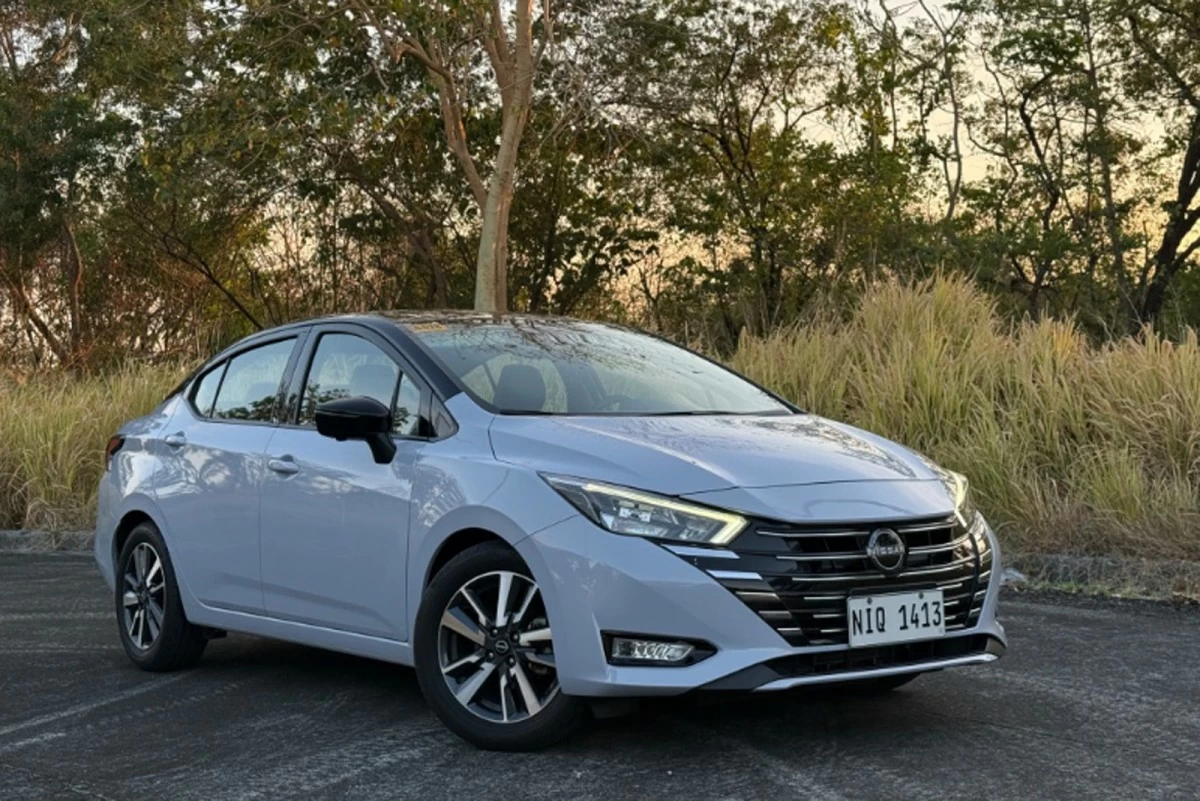
Look at our roads, you’ll notice a multitude of crossovers, hybrids and electrified SUVs. All meant to get you from A to B, with a spacious cabin, while economical. The humble sedan seems to have been overlooked, while most have the capability to perform the same task.
The Nissan Almera is a small sedan with a small engine, and at a time where fuel costs remain a major consideration for Filipino motorists, that may actually be one of its biggest advantages.
Upmarket styling
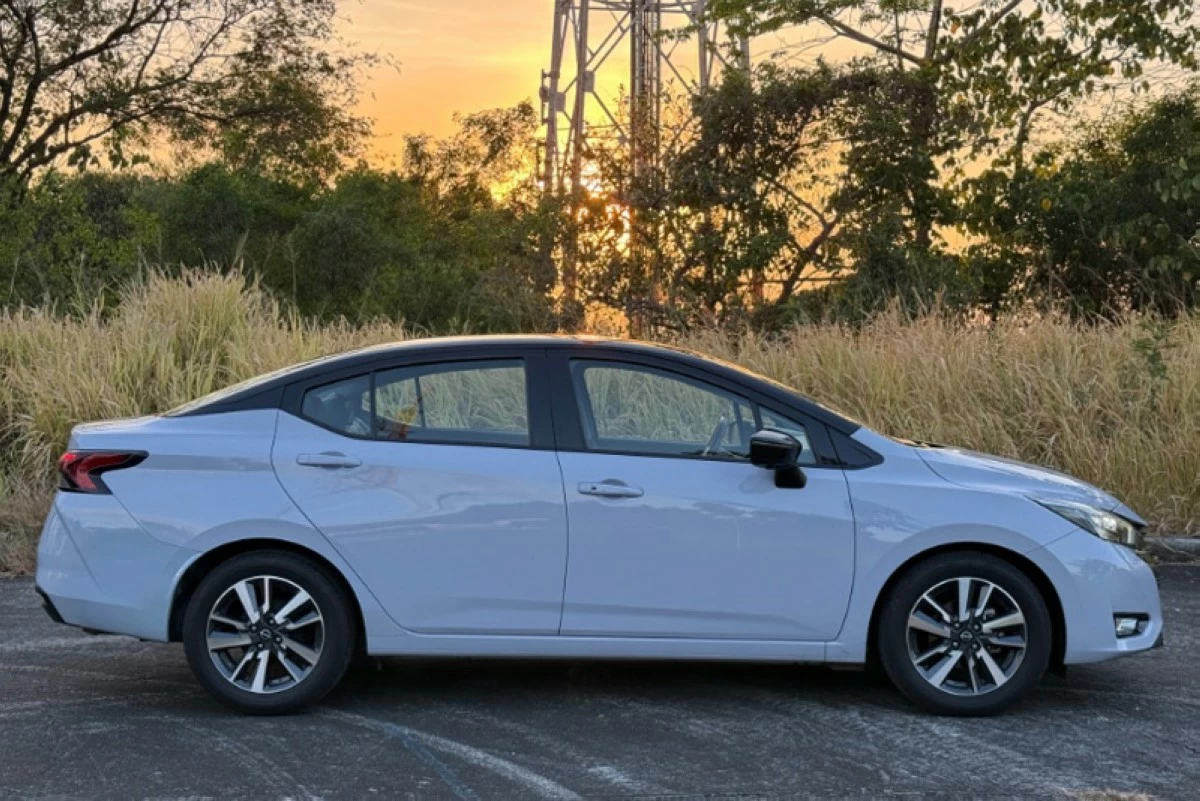
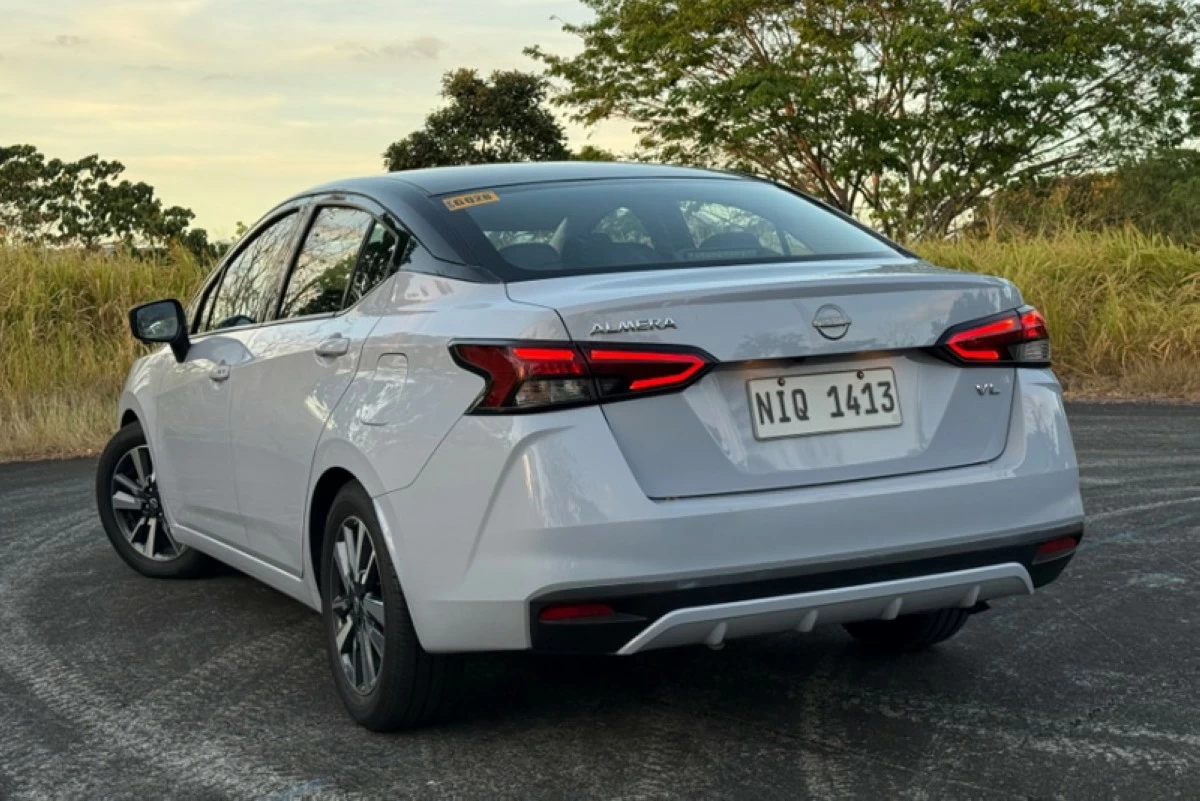
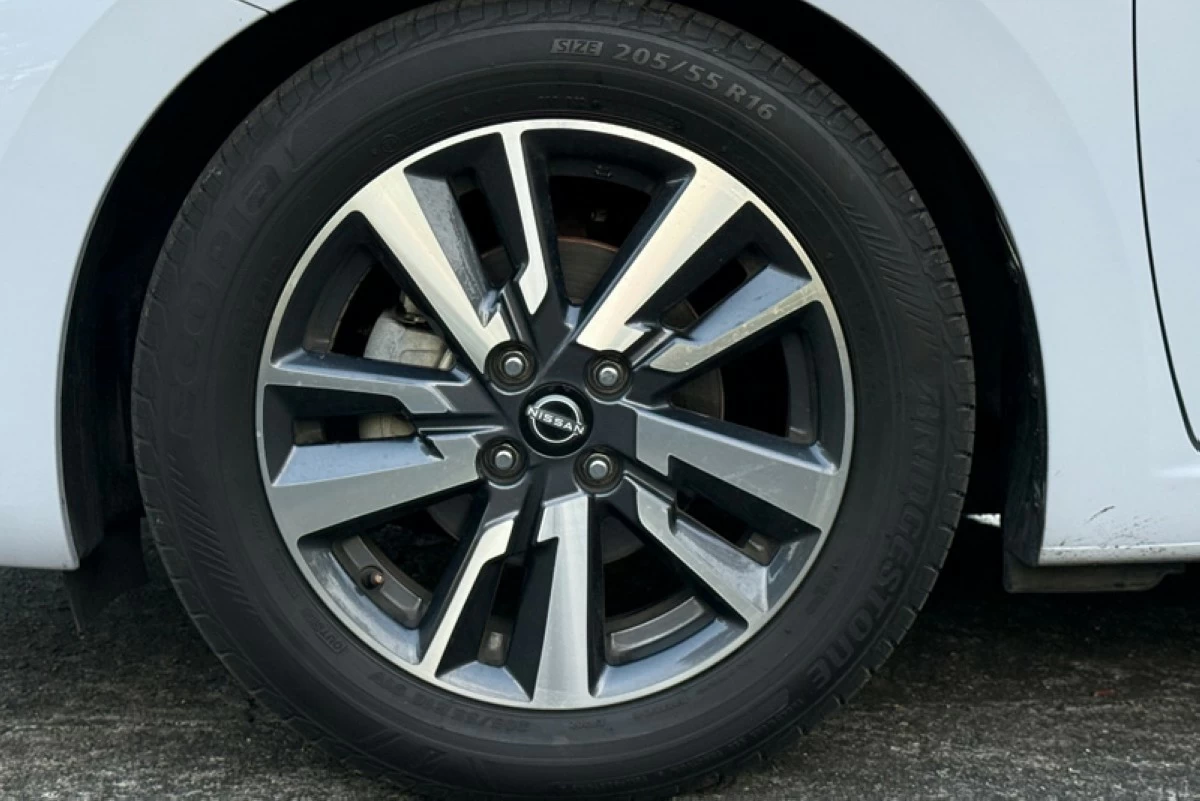
The Almera doesn't look like an economy car. Nissan's V-Motion grille, gloss-black detailing, LED headlights, LED signature daytime running lamps and LED tail lamps give the sedan a sharp, contemporary appearance. The VL's 16-inch alloy wheels also fill out the wheel arches nicely. It is also a practical size.
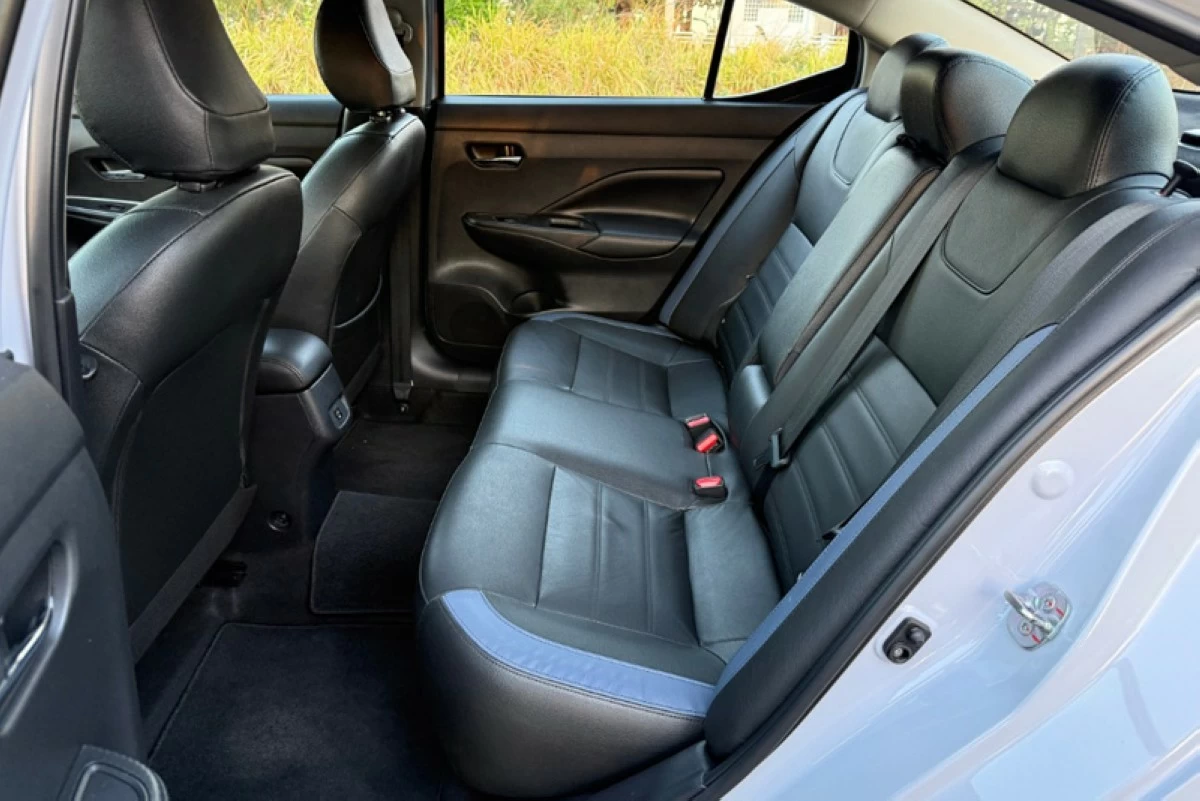
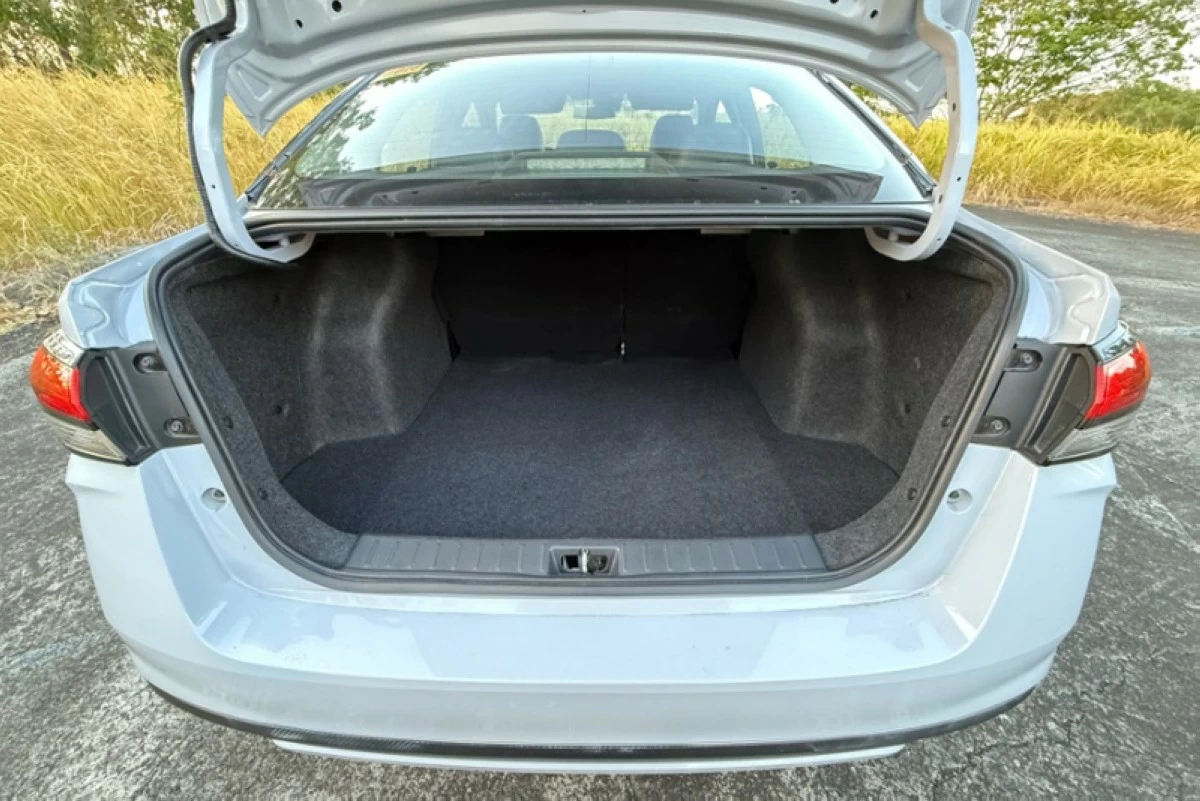
At 4,495mm long, 1,740mm wide and 1,460mm tall, with a 2,620mm wheelbase, the Almera is compact enough for city driving without sacrificing cabin space. The trunk offers up to 474-liters. And that is one of the things I like about a sedan. You get a proper trunk rather than having to fold the rear seats every time you need to carry luggage.
Stylish interior
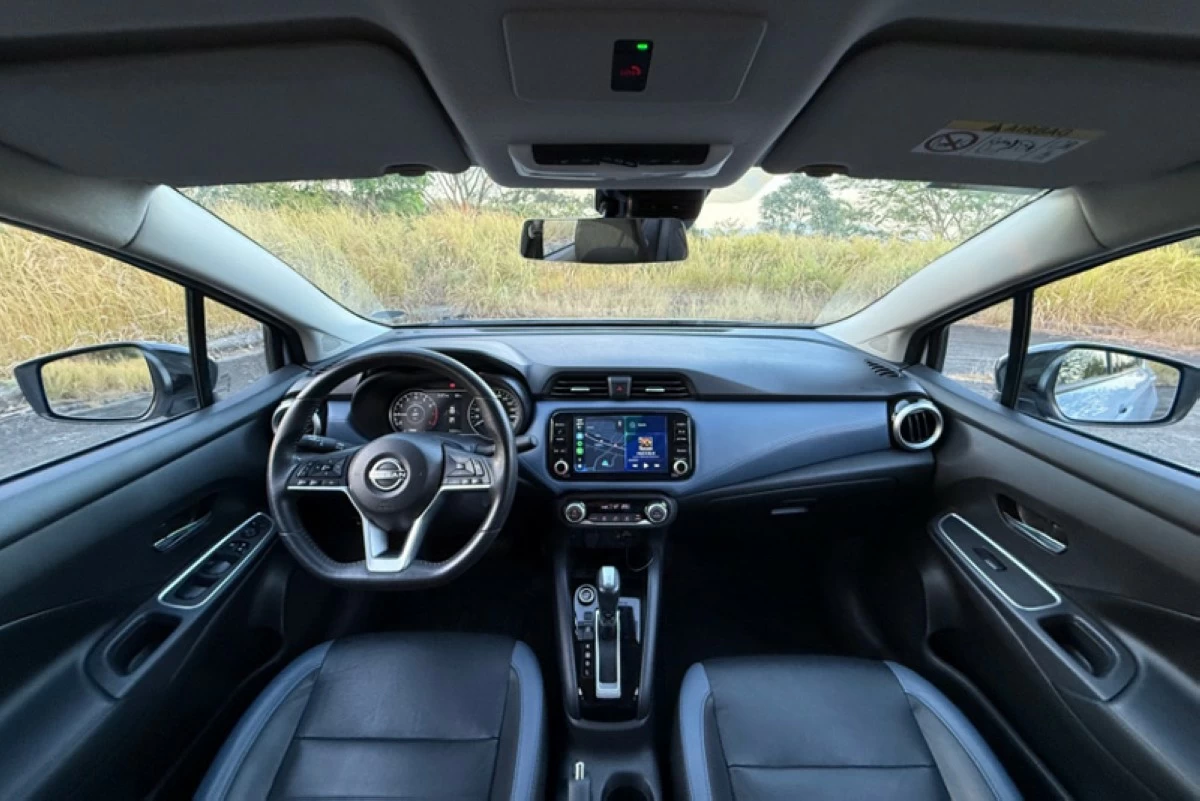
Inside, Nissan has done a good job of making the Almera feel more upmarket than its price suggests. The VL gets black leather seats with blue stitching, a seven-inch TFT instrument display and soft-touch dashboard trim. There is also a 60:40 split-folding rear seat, automatic air-conditioning, push-button start and cruise control.
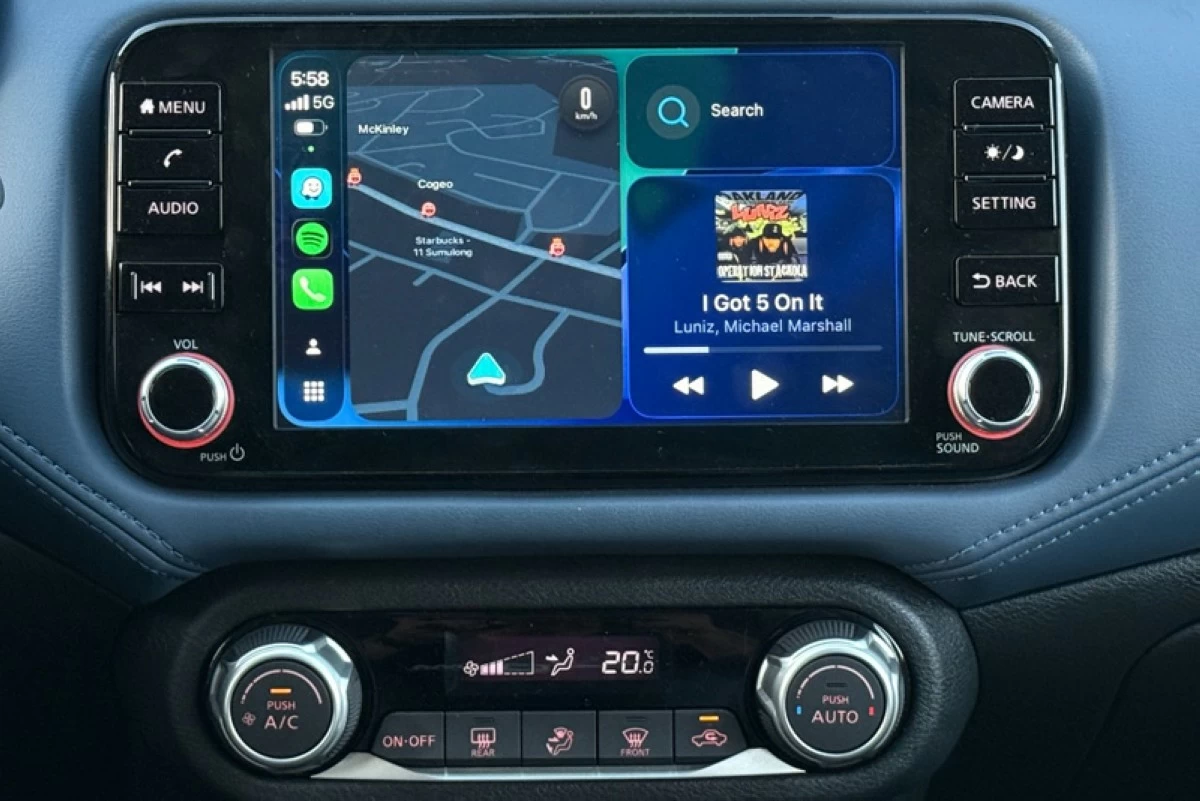
The eight-inch touchscreen supports Apple CarPlay and Android Auto, so connecting your phone is straightforward. There are also USB ports and a six-speaker audio system.
Powertrain
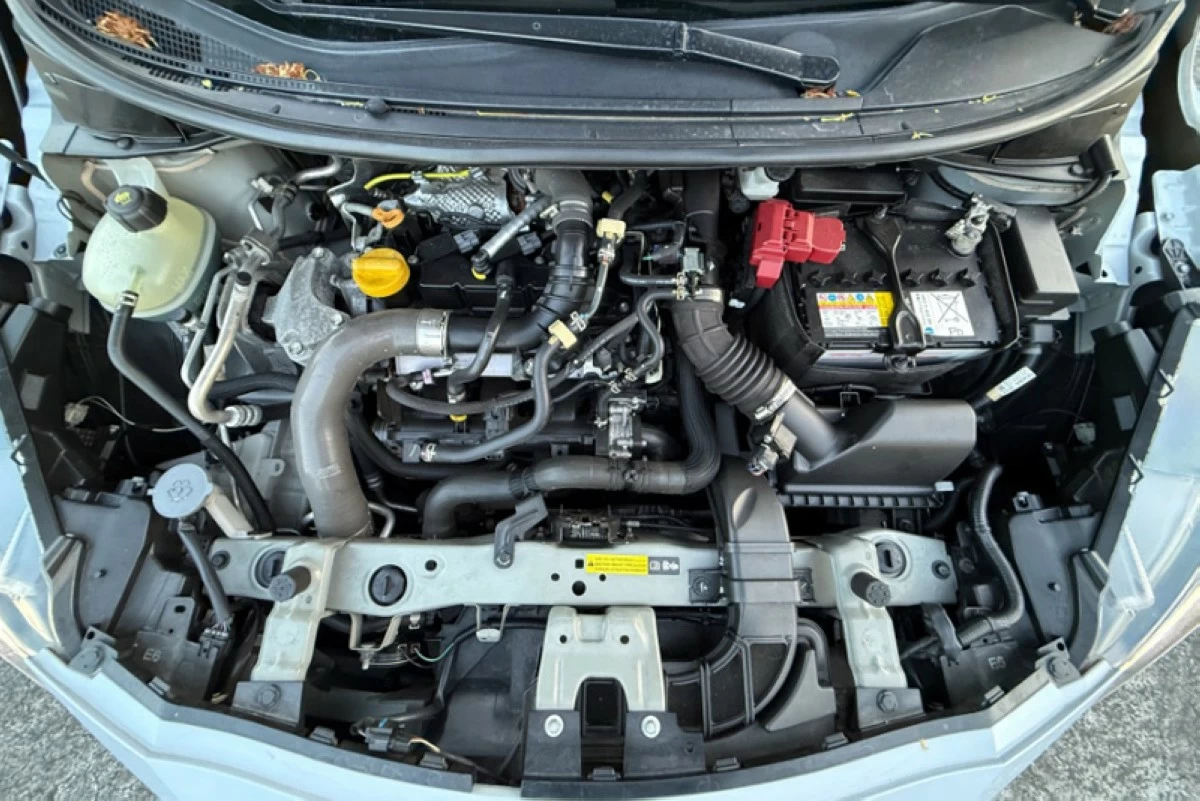
Under the hood, it gets a 1.0-liter turbocharged three-cylinder engine producing 100-PS and 152-Nm. Power goes through a continuously variable transmission (CVT), while an idling-stop system helps reduce unnecessary fuel consumption when you're stationary.
On paper, it is a small engine, but on the road, it comes into its own. The turbo gives the Almera useful torque from 2,400 rpm, and the CVT keeps the engine rpms in its economical range. In traffic, this is exactly what you want.
Safety
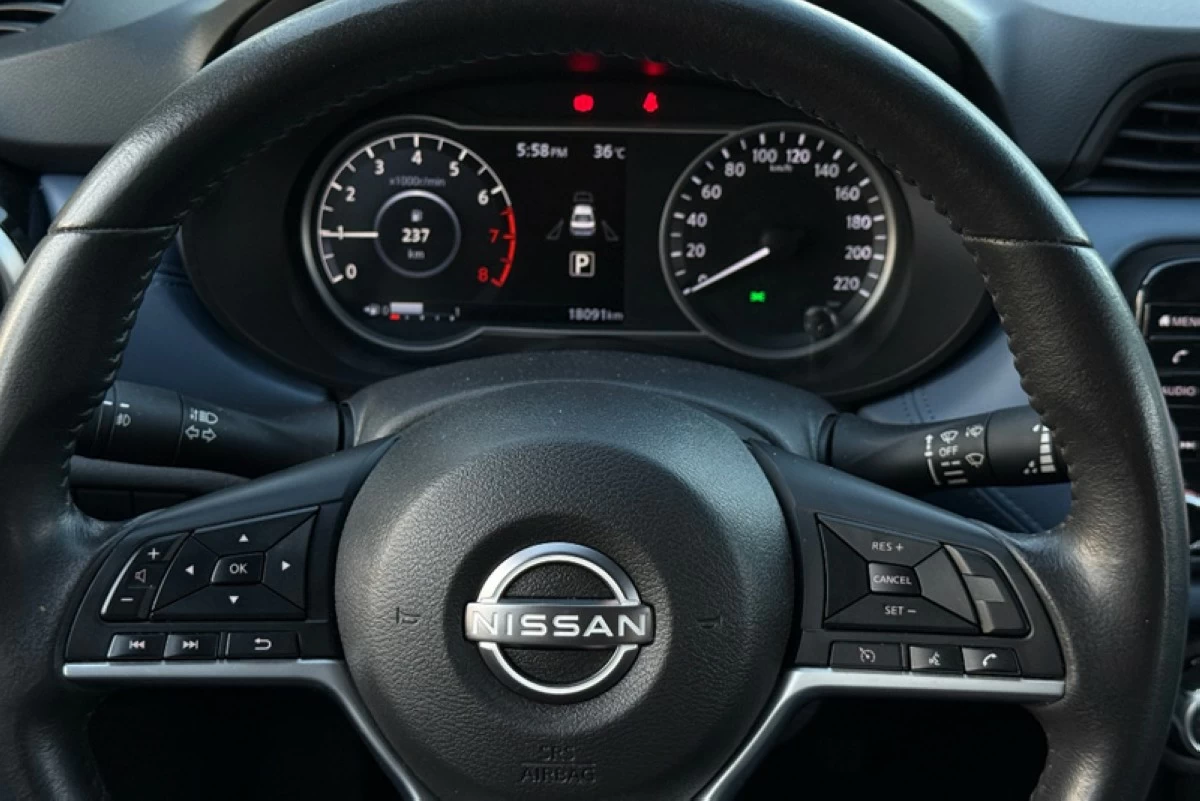
Nissan has also made safety a significant part of the Almera package. The VL gets Blind Spot Warning, Rear Cross Traffic Alert, Lane Departure Warning, High Beam Assist, Intelligent Around View Monitor with Moving Object Detection, Intelligent Emergency Braking and Intelligent Forward Collision Warning. Both VE and VL variants also have six airbags, ABS with EBD and Brake Assist, Vehicle Dynamic Control, TPMS and ISOFIX.
Then there's NissanConnect Services. This is one of those features that sounds like a gimmick until you actually use it. Through the NissanConnect app, owners can remotely start or stop the engine, lock or unlock the doors, activate the horn and lights, locate the car, check vehicle health and receive maintenance reminders. Safety functions include automatic collision notification, SOS emergency assistance, theft alerts and customizable speed, zone and curfew alerts.
And yes, remote starting the engine also means you can get the air-conditioning going before you get into the car, which, on hot days in the Philippines, is something I would happily use every day.
Impressions and price
The Almera is easy to maneuver, the steering is light and the suspension does a respectable job of dealing with the imperfections found on Philippine roads. Once you're out on the highway, it remains composed. And while it isn't particularly sporty, it is comfortable, and very spacious. That's important for a car that will probably spend most of its life on the road and probably in traffic.
The current price for the Almera VL Turbo CVT with NissanConnect Services is ₱1,199,000. Now, it isn't the cheapest car, its running costs are a good consideration. You get a small turbocharged engine and relatively low vehicle weight which translates into less mass and less engine displacement to move around every day. When gasoline prices are high, that matters.
The Nissan Almera may not be the most fashionable choice in today's SUV-obsessed market. But sometimes the sensible choice is the one that makes the most sense every time you turn the key. And right now, the Almera makes a very good argument for the “humble” sedan.

Related Tags

Nissan Motor Philippines
ADVERTISEMENT
.most-popular .layout-ratio{ padding-bottom: 79.13%; } @media (min-width: 768px) and (max-width: 1024px) { .widget-title { font-size: 15px !important; } }

{{ articles_filter_1561_widget.title }}

.most-popular .layout-ratio{ padding-bottom: 79.13%; } @media (min-width: 768px) and (max-width: 1024px) { .widget-title { font-size: 15px !important; } }

{{ static_articles_1562_widget.title }}

.most-popular .layout-ratio{ padding-bottom: 79.13%; } @media (min-width: 768px) and (max-width: 1024px) { .widget-title { font-size: 15px !important; } }

{{ articles_filter_1563_widget.title }}

{{ articles_filter_1564_widget.title }}

.mb-article-details { position: relative; } .mb-article-details .article-body-preview, .mb-article-details .article-body-summary{ font-size: 17px; line-height: 30px; font-family: "Libre Caslon Text", serif; color: #000; } .mb-article-details .article-body-preview iframe , .mb-article-details .article-body-summary iframe{ width: 100%; margin: auto; } .read-more-background { background: linear-gradient(180deg, color(display-p3 1.000 1.000 1.000 / 0) 13.75%, color(display-p3 1.000 1.000 1.000 / 0.8) 30.79%, color(display-p3 1.000 1.000 1.000) 72.5%); position: absolute; height: 200px; width: 100%; bottom: 0; display: flex; justify-content: center; align-items: center; padding: 0; } .read-more-background a{ color: #000; } .read-more-btn { padding: 17px 45px; font-family: Inter; font-weight: 700; font-size: 18px; line-height: 16px; text-align: center; vertical-align: middle; border: 1px solid black; background-color: white; } .hidden { display: none; }
function initializeAllSwipers() { // Get all hidden inputs with cms_article_id document.querySelectorAll('[id^="cms_article_id_"]').forEach(function (input) { const cmsArticleId = input.value; const articleSelector = '#article-' + cmsArticleId + ' .body_images'; const swiperElement = document.querySelector(articleSelector); if (swiperElement && !swiperElement.classList.contains('swiper-initialized')) { new Swiper(articleSelector, { loop: true, pagination: false, navigation: { nextEl: '#article-' + cmsArticleId + ' .swiper-button-next', prevEl: '#article-' + cmsArticleId + ' .swiper-button-prev', }, }); } }); } setTimeout(initializeAllSwipers, 3000); const intersectionObserver = new IntersectionObserver( (entries) => { entries.forEach((entry) => { if (entry.isIntersecting) { const newUrl = entry.target.getAttribute("data-url"); if (newUrl) { history.pushState(null, null, newUrl); let article = entry.target; // Extract metadata const author = article.querySelector('.author-section').textContent.replace('By', '').trim(); const section = article.querySelector('.section-info ').textContent.replace(' ', ' '); const title = article.querySelector('.article-title h1').textContent; // Parse URL for Chartbeat path format const parsedUrl = new URL(newUrl, window.location.origin); const cleanUrl = parsedUrl.host + parsedUrl.pathname; // Update Chartbeat configuration if (typeof window._sf_async_config !== 'undefined') { window._sf_async_config.path = cleanUrl; window._sf_async_config.sections = section; window._sf_async_config.authors = author; } // Track virtual page view with Chartbeat if (typeof pSUPERFLY !== 'undefined' && typeof pSUPERFLY.virtualPage === 'function') { try { pSUPERFLY.virtualPage({ path: cleanUrl, title: title, sections: section, authors: author }); } catch (error) { console.error('ping error', error); } } // Optional: Update document title if (title && title !== document.title) { document.title = title; } } } }); }, { threshold: 0.1 } ); function showArticleBody(button) { const article = button.closest("article"); const summary = article.querySelector(".article-body-summary"); const body = article.querySelector(".article-body-preview"); const readMoreSection = article.querySelector(".read-more-background"); // Hide summary and read-more section summary.style.display = "none"; readMoreSection.style.display = "none"; // Show the full article body body.classList.remove("hidden"); } document.addEventListener("DOMContentLoaded", () => { let loadCount = 0; // Track how many times articles are loaded const offset = [1, 2, 3, 4, 5, 6, 7, 8, 9, 10]; // Offset values const currentUrl = window.location.pathname.substring(1); let isLoading = false; // Prevent multiple calls if (!currentUrl) { console.log("Current URL is invalid."); return; } const sentinel = document.getElementById("load-more-sentinel"); if (!sentinel) { console.log("Sentinel element not found."); return; } function isSentinelVisible() { const rect = sentinel.getBoundingClientRect(); return ( rect.top < window.innerHeight && rect.bottom >= 0 ); } function onScroll() { if (isLoading) return; if (isSentinelVisible()) { if (loadCount >= offset.length) { console.log("Maximum load attempts reached."); window.removeEventListener("scroll", onScroll); return; } isLoading = true; const currentOffset = offset[loadCount]; window.loadMoreItems().then(() => { let article = document.querySelector('#widget_1690 > div:nth-last-of-type(2) article'); intersectionObserver.observe(article) loadCount++; }).catch(error => { console.error("Error loading more items:", error); }).finally(() => { isLoading = false; }); } } window.addEventListener("scroll", onScroll); });

Sign up by email to receive news.