






Manila Bulletin
 Business
Trade & Industry
Higher airfares ahead as CAB raises fuel surcharge in September
Business
Trade & Industry
Higher airfares ahead as CAB raises fuel surcharge in September
Business
Trade & Industry
Higher airfares ahead as CAB raises fuel surcharge in September
Higher airfares ahead as CAB raises fuel surcharge in September
Published Aug 28, 2026 12:24 am
|
Updated Aug 28, 2026 06:18 am


(Pexels)
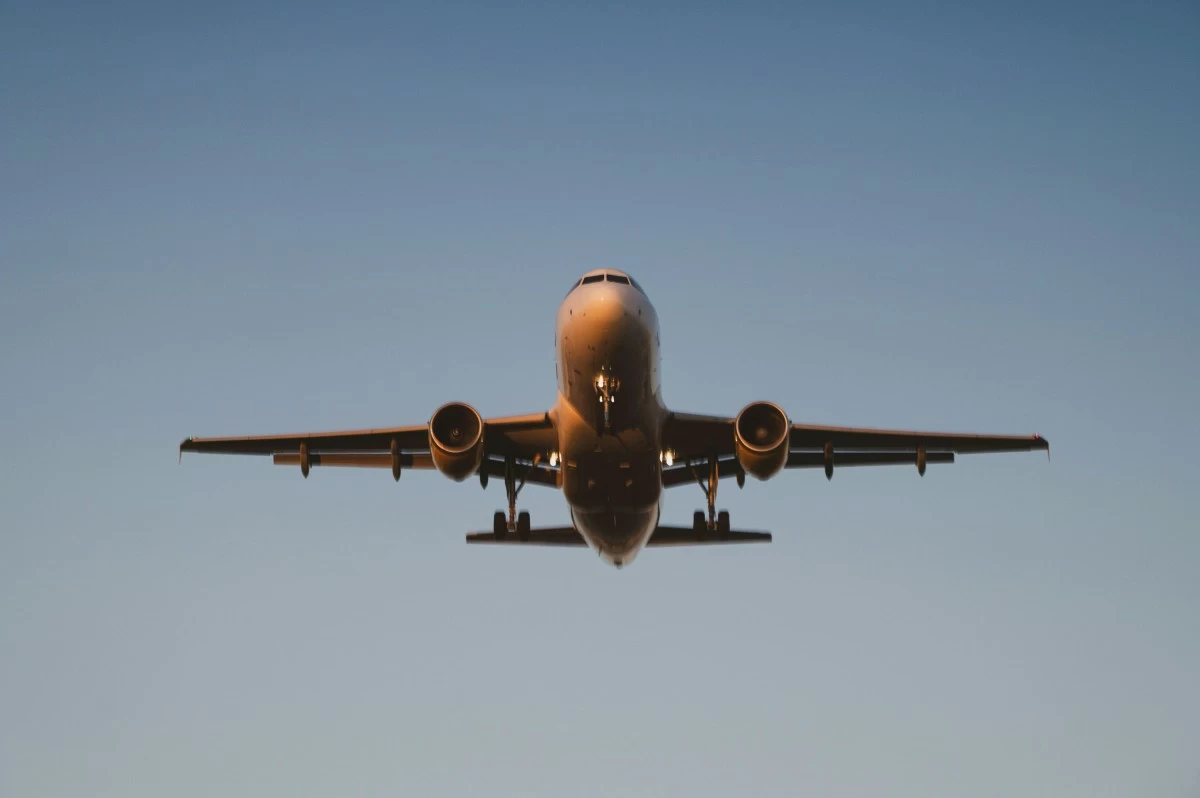
The local aviation industry continues to feel the pang of volatile jet fuel prices, as the Civil Aeronautics Board (CAB) is raising the fuel surcharge by a notch, resulting in slightly higher airfares.
In an advisory, the CAB said it is increasing the applicable surcharge rate to Level 13 for the period of Sept. 1 to 15 from the current Level 12.
Under Level 13, airlines may impose a surcharge of ₱423 to ₱1,237 for domestic flights and between ₱1,396.74 and ₱10,385.42 for international flights.
The exchange rate for airlines selling fares in foreign currencies is ₱61.39 to $1, the CAB said.
CAB is adjusting the fuel surcharge upward after jet fuel prices rose by 13 percent month-on-month to $163.87 per barrel as of Aug. 21.
Airlines are allowed to impose and collect a fuel surcharge from passengers as a way to recover financial losses caused by price hikes in jet fuel.
Given the volatility in the market, the CAB is adjusting the fuel surcharge level every 15 days, from the usual one-month coverage, to be more responsive to prevailing prices.
The upcoming increase in the fuel surcharge may impede travelers’ plans to book early flights for the upcoming holiday season, as airfares would become slightly more costly.
This comes at a time when passenger demand in the aviation industry is relatively stable and in need of some much-needed room for growth.
Based on the latest CAB data, the country’s passenger traffic from January to June increased by only one percent to 32.65 million from 32.25 million in the same period last year.
Broken down, international demand was the major driver of growth, increasing by nearly three percent to 15.27 million from 14.87 million a year ago.
Passenger traffic for domestic flights, on the other hand, remained steady at 17.38 million as airlines were forced to pause some routes due to higher fuel costs.
Against this backdrop, flag carrier Philippine Airlines (PAL) is raising its Manila-Melbourne operations from five times a week to daily flights beginning Nov. 19.
PAL said the expanded connectivity to Melbourne is in direct response to projected increased demand for the service during the holiday season.
PAL is working on expanding its international network as it looks to maintain its leadership in the segment against competition from low-cost carrier Cebu Pacific.
CAB data showed Cebu Pacific handled 3.41 million passengers by the end of June. PAL, meanwhile, ranked second with 3.39 million passengers.