






Manila Bulletin
 Philippines
Mindanao
Davao City dad pushes passage of Magna Carta to protect 'waste workers'
Philippines
Mindanao
Davao City dad pushes passage of Magna Carta to protect 'waste workers'
Philippines
Mindanao
Davao City dad pushes passage of Magna Carta to protect 'waste workers'
Davao City dad pushes passage of Magna Carta to protect 'waste workers'
By Ivy Tejano
Published Aug 25, 2026 09:59 pm


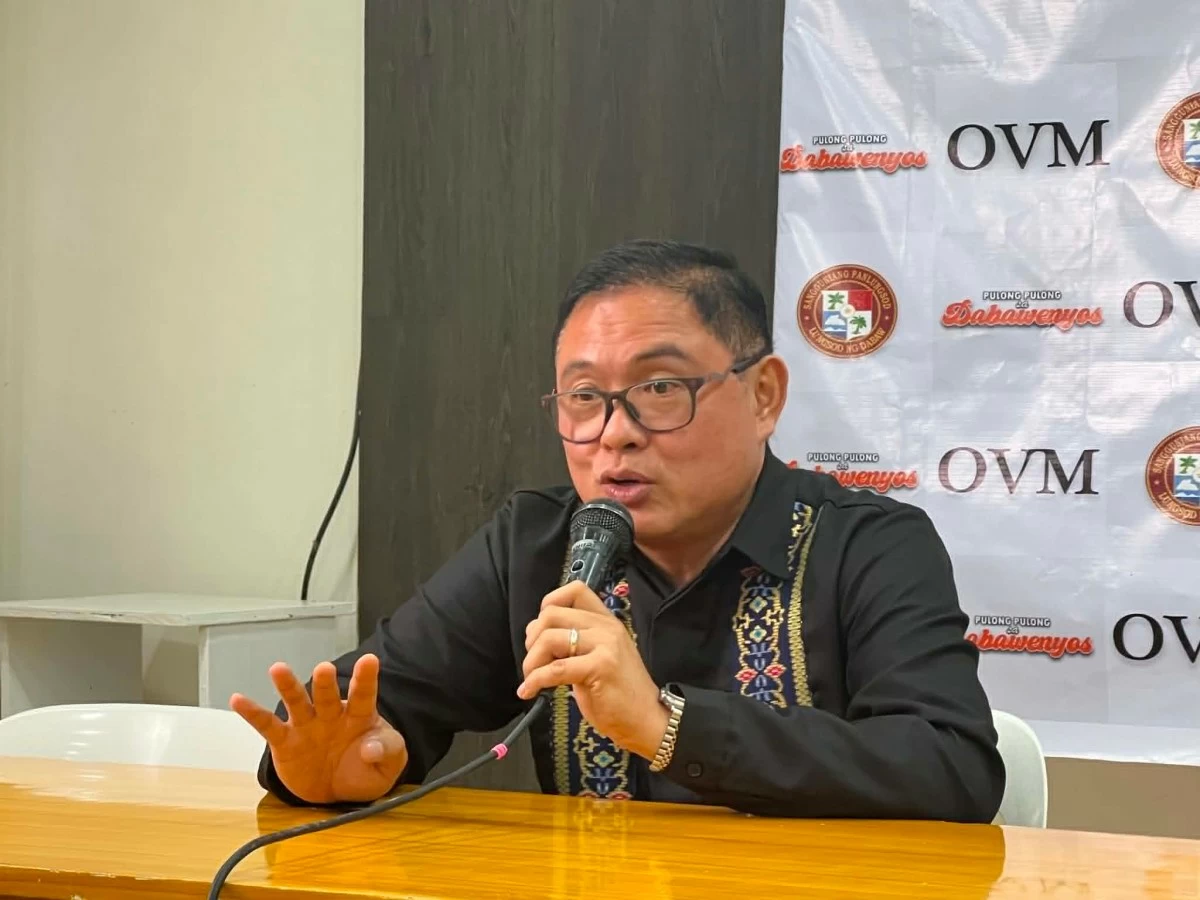
Councilor Temujin Ocampo, chairperson of the Committee on Environment and Natural Resources. (Photo via Ivy Tejano / MB)
DAVAO CITY – A Davao City councilor proposed on Tuesday, August 25, an ordinance seeking to provide stronger health, safety, and social protections for workers responsible for keeping the city clean.
Councilor Temujin Ocampo, chairperson of the Committee on Environment and Natural Resources, introduced the "Davao City Waste Workers' Magna Carta" before the 21st City Council.
The measure covers waste workers, including garbage collectors, street sweepers, material recovery facility sorters, canal maintenance workers, and informal waste collectors.
Ocampo said these workers face daily exposure to hazardous substances, medical waste, and infectious diseases, often without sufficient protective equipment or social protection.
"Without them, Davao City would grind to a halt within 48 hours," Ocampo said in his privilege speech during the council's regular session at Sangguniang Panlungsod in Davao City.
The councilor cited the workers' role in keeping roads and waterways clean, preventing clogged drainage, and protecting public health through waste collection and management.
He said informal waste workers face greater risks because they operate outside formal employment and social protection systems, leaving them vulnerable to poverty and social stigma.
The proposed ordinance would require the city government to provide waste workers with free protective equipment twice a year, annual medical check-ups, and vaccines against diseases.
It also proposes a 10% monthly hazard allowance for salaried waste workers and assistance for informal waste workers to get PhilHealth and Social Security System coverage.
According to Ocampo, the measure would also give an accredited waste worker representative a voting seat on the Davao City Ecological Solid Waste Management Board.
For informal waste pickers, the ordinance would provide technical and financial assistance to help them form accredited green-jobs cooperatives and achieve more stable livelihoods.
Ocampo said protecting waste workers is essential to sustaining the city's environmental programs because they play a key role in society.
He cited the Local Government Code and Republic Act No. 9003, or the Ecological Solid Waste Management Act of 2000, saying environmental protection should include the workers' welfare.
The proposed ordinance was approved for consideration on first reading and referred to the Committee on Labor as the lead committee, jointly with Ocampo's committee.