






 Business
The Economy
Philippines tops high-tech export share, but research output lags
Business
The Economy
Philippines tops high-tech export share, but research output lags
Philippines tops high-tech export share, but research output lags


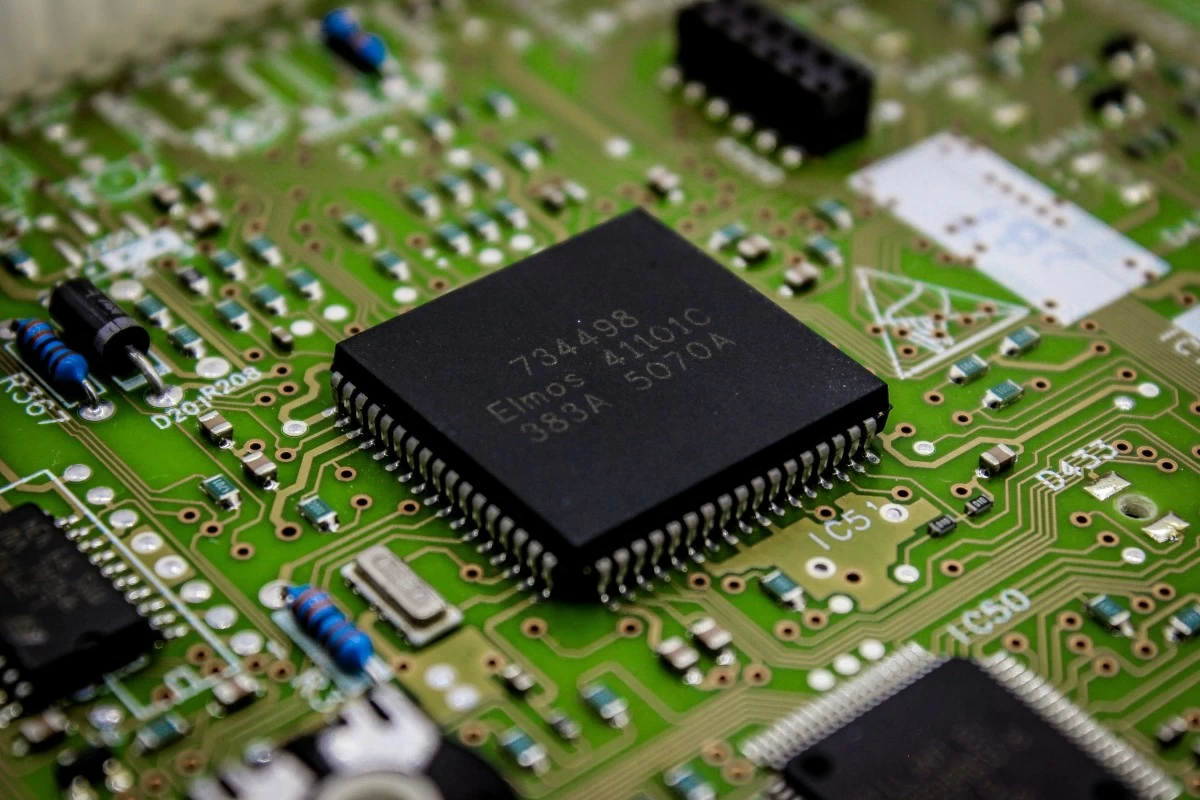
The Philippines ranked first globally in high-technology exports as a share of total trade, but weak research productivity and university-industry engagement continue to weigh on the country’s innovation performance, according to the National Innovation Council (NIC).
In its 2025 progress report, published last Wednesday, Aug. 19, by the Department of Economy, Planning, and Development (DEPDev), NIC reported that the Philippines climbed three notches to 50th among 133 economies in the World Intellectual Property Organization’s (WIPO) 2025 Global Innovation Index (GII), up from 53rd in 2024. This surpassed the Philippine Development Plan (PDP) 2023-2028 target of 52nd place for 2025.
The improvement also strengthened the country’s progress toward the PDP’s end-of-plan target of placing within the top one-third of economies by 2028. PDP 2023-2028 serves as the Marcos Jr. administration’s socioeconomic blueprint.
The Philippines retained its designation as an “Innovation Overperformer” for the seventh consecutive year, reflecting its ability to generate innovation outcomes beyond what would be expected relative to its level of economic development.
It also ranked third among 37 lower-middle-income economies, while placing 11th among 17 economies in Southeast Asia, East Asia, and Oceania. The Philippines moved up to the World Bank’s upper-middle-income country (UMIC) classification this year.
The country’s strongest performance came from its participation in global technology value chains, ranking first globally in high-technology exports as a share of total trade and fourth in high-technology imports.
It also ranked 16th globally in creative goods exports and 20th in information and communications technology (ICT) services exports, highlighting the contributions of its creative, digital, and service-oriented industries to innovation.
Despite these strengths, NIC said several indicators showed that the Philippines continued to lag behind its Association of Southeast Asian Nations (ASEAN) peers, particularly in research productivity and university engagement.
The country ranked 128th globally in scientific and technical articles relative to the size of the economy, placing eighth among 10 ASEAN economies with available data, ahead only of Indonesia and Myanmar.
It also ranked 96th globally in university-industry and international engagement among its top five universities—the lowest among the seven ASEAN economies for which data were available.
The results underscored the need to strengthen research productivity, improve the quality and international engagement of higher education institutions (HEIs), and deepen collaboration among universities, industry, government, and international research partners, according to NIC.
The report also highlighted persistent challenges confronting the country’s innovation ecosystem, including workforce skills mismatches, the limited share of students in scientific fields, and the lack of enabling mechanisms for data sharing, intellectual property (IP) protection, and funding access.
To address these gaps, stakeholders called for more flexible and market-responsive education, inclusive innovation programs, and policies that empower university faculty to commercialize their research.
NIC also identified the establishment of regional innovation hubs, greater public investment in high-impact research, and the advancement of the Philippine Skills Framework (PSF) to better align workforce competencies with industry requirements as among the measures needed to strengthen the innovation ecosystem.
These efforts should be complemented by affordable and secure digital infrastructure, expanded financial inclusion in rural areas, and harmonized governance and policy interventions to address market failures.
The latest GII performance continued the country’s longer-term improvement in global innovation rankings, with the Philippines rising from 90th place in 2013 to 50th in 2025. - Danielle T. Bayani