






Manila Bulletin
 Business
The Stock Market
Citicore Renewable profit jumps 92% on solar capacity expansion
Business
The Stock Market
Citicore Renewable profit jumps 92% on solar capacity expansion
Business
The Stock Market
Citicore Renewable profit jumps 92% on solar capacity expansion
Citicore Renewable profit jumps 92% on solar capacity expansion
Published Aug 17, 2026 01:10 pm


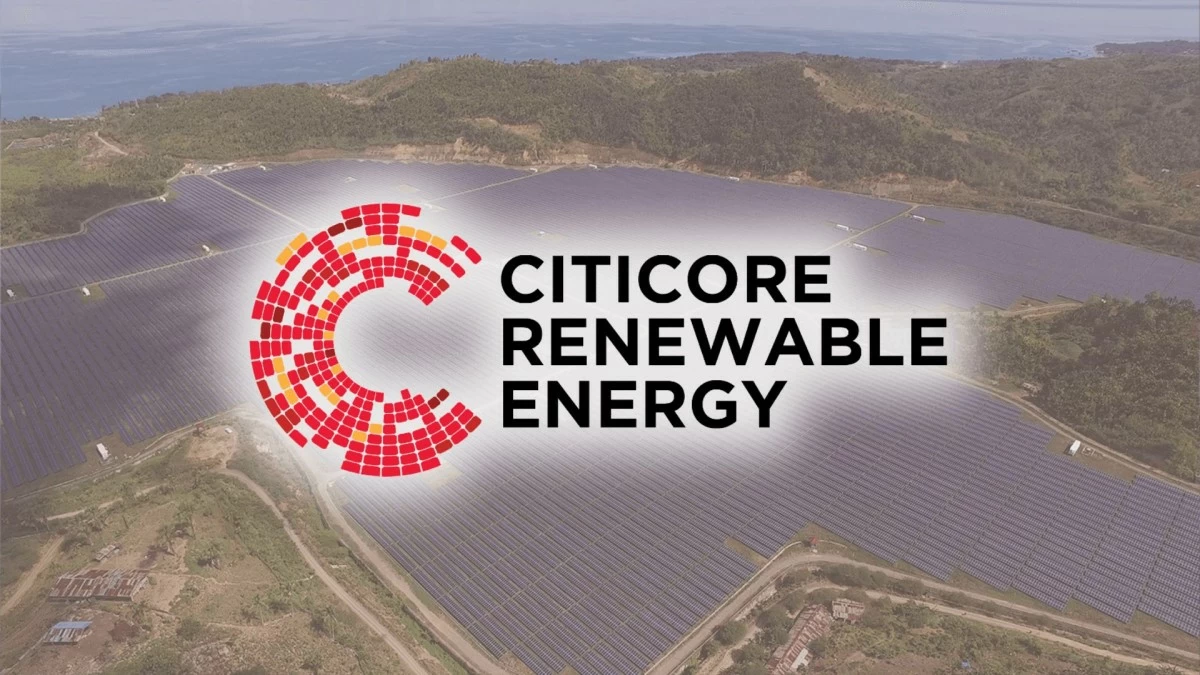
Citicore Renewable Energy Corp. reported a 92 percent surge in first-half net profit, boosted by higher electricity sales after bringing new solar facilities online to meet the Philippines’ growing demand for clean power.
In a disclosure to the Philippine Stock Exchange on Monday, Aug. 17, CREC said net income rose to ₱1.2 billion in the six months of the year from ₱630 million a year earlier.
Revenue climbed four percent to ₱2.7 billion as operational margins widened, while earnings before interest, taxes, depreciation, and amortization expanded 63 percent to ₱1.5 billion.
Electricity sales generated 87 percent of overall revenue, totaling ₱2.4 billion compared with ₱2.28 billion a year ago. Revenue generated under the government’s Green Energy Auction and Feed-in Tariff programs surged 51 percent.
The Philippines aims to increase the share of renewable energy in its power generation mix to 35 percent by 2030 and 50 percent by 2040, creating aggressive expansion pipelines for independent power producers.
Citicore Renewable reached 1.2 gigawatts of installed solar capacity ahead of its internal schedule, advancing toward its longer-term goal of building out 5 gigawatts of renewable projects.
The company’s growth in the first half was supported by the commissioning of several key facilities, including the 69-megawatt peak Citicore Solar Negros Occidental 2 plant in Silay City, which is designed to eventually scale up to 100 megawatts peak.
Additional capacity additions included the 42-megawatt Citicore Solar Pampanga 1 project and the 197-megawatt peak Citicore Solar Batangas 1 plant—the company's first baseload solar facility paired with a 320-megawatt-hour battery energy storage system.
Oliver Tan, CREC chief executive officer, said the company remains focused on converting recent capacity additions into sustained profit growth to support the country's clean energy transition.
Reaching the 1.2-gigawatt milestone gives the company the necessary scale to execute its next growth phase, Tan said, noting that management will focus on turning that operational footprint into active generation as it builds out toward its 5-gigawatt target. (Gabriell Christel Galang)