






Manila Bulletin
 Business
Banking & Finance
Interest-free loan alternative Filipino buyers need to know about
Business
Banking & Finance
Interest-free loan alternative Filipino buyers need to know about
Business
Banking & Finance
Interest-free loan alternative Filipino buyers need to know about
Interest-free loan alternative Filipino buyers need to know about
Islamic banking isn't just for Muslims:
Published Aug 15, 2026 07:01 am


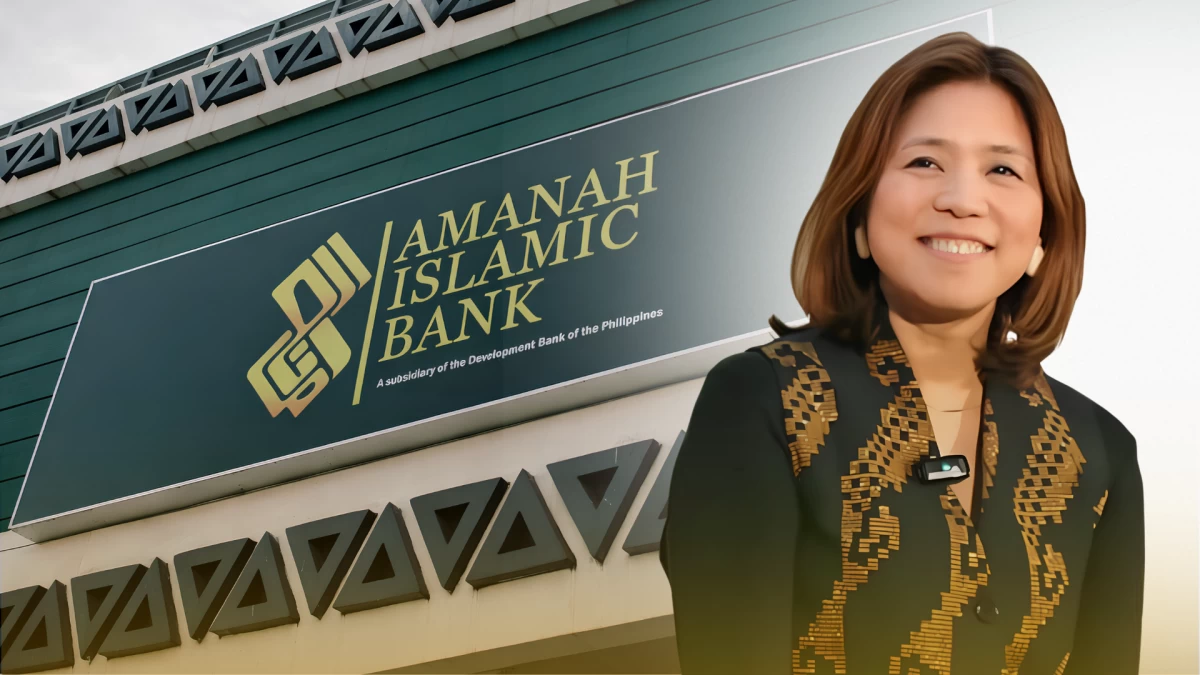
Al-Amanah Islamic Investment Bank of the Philippines (AAIIBP) Chairperson and CEO Amenah “Mina” Pangandaman is leading efforts to demystify Islamic banking, positioning its interest-free, asset-backed framework as a transparent and ethical financial alternative for all Filipinos—including MSMEs and overseas workers nationwide.
For a long time, the prevailing narrative surrounding Islamic banking in the Philippines was trapped in a narrow frame. Most consumers assumed it was a niche service exclusive to Muslim communities or strictly intended for regional development in Mindanao.
Amenah “Mina” Pangandaman, chairperson and chief executive officer of the state-run Al-Amanah Islamic Investment Bank of the Philippines (AAIIBP), wants to dismantle that misconception.
“Faith shaped the principles of Islamic finance, but fairness makes them useful to everyone,” Pangandaman explains to Manila Bulletin.
As a former budget chief and central bank assistant governor, Pangandaman brings her macro-level perspective to consumer banking. To her, the appeal of Shari’ah-compliant financing lies in its ethical, transparent, and asset-backed nature, mirroring the modern demand for environmental, social, and governance investing rather than purely religious motivations.
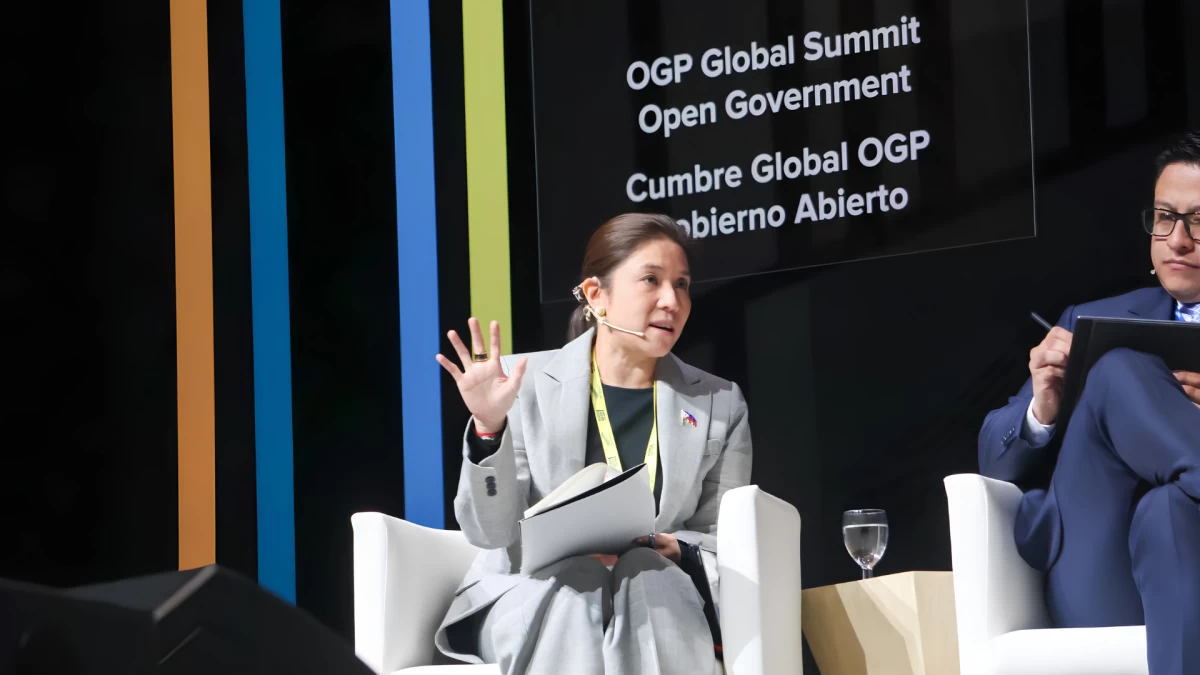
Leveraging her experience as a former budget chief and central bank assistant governor, Pangandaman is positioning Islamic finance not merely as a religious alternative, but as an ethical, transparent, and asset-backed model aligned with modern global ESG investment standards.
At its core, Islamic finance is treating money not as a commodity that generates interest on its own, but as a medium of exchange tied directly to real economic activity. There are no compounding hidden charges or speculative debt traps, and all transactions are anchored on shared risk and tangible assets.
Demystifying financial model
To make these concepts practical for the average Filipino, Al-Amanah is stripping away complex Arabic terminology and meeting consumers with simple value propositions.
Speaking on accessible finance options, Pangandaman explains how Shari’ah-compliant models offer clear, fixed alternatives to traditional interest-bearing mortgages and business loans.
Take home and vehicle loans, for example. Instead of a conventional interest-bearing mortgage, Islamic banking utilizes this concept called Ijarah. In practical terms, Ijarah functions as a lease-to-own arrangement. The bank purchases the asset and leases it to the client for a clear and fixed period, after which ownership transfers smoothly. There are no unpredictable interest rate spikes or hidden penalty fees.
For entrepreneurs, conventional banking often poses a barrier due to strict real estate collateral demands. In fact, national data reveal that only about four percent of total bank loans go to micro, small, and medium enterprises (MSMEs).
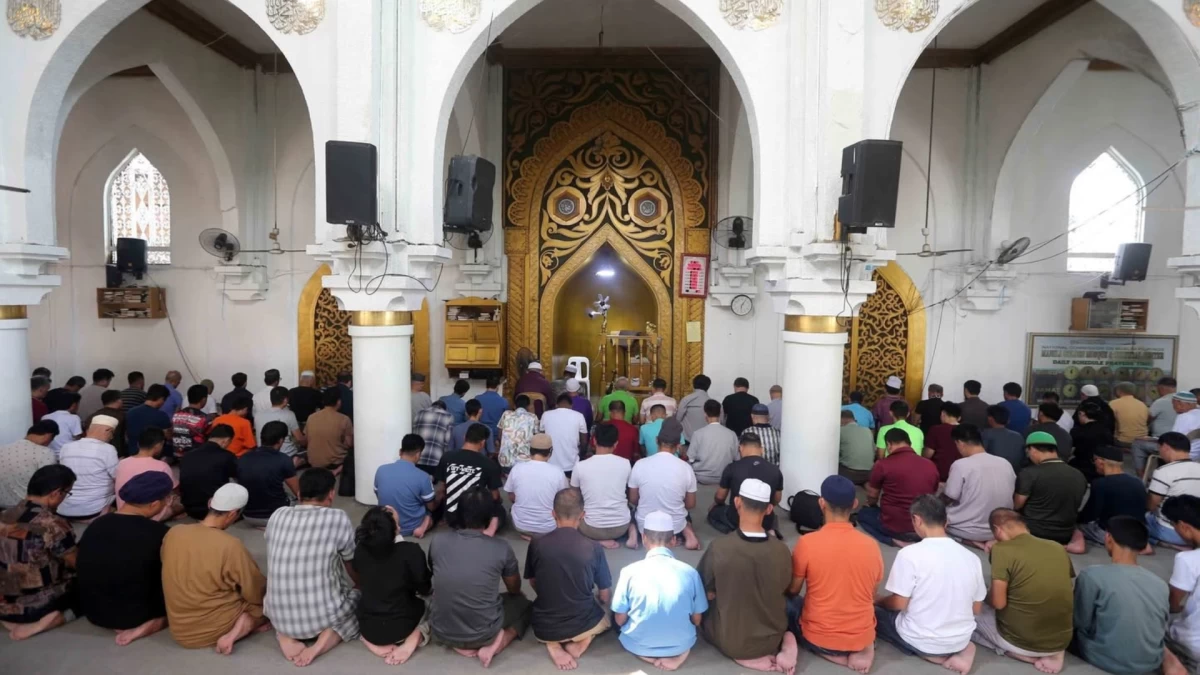
Through cost-plus financing (Murabahah) and risk-sharing models (Musharakah), Islamic banking acts as an active business partner to help local entrepreneurs acquire equipment and expand operations without hidden charges or rigid collateral demands.
Islamic banking flips this dynamic using models like Murabahah (transparent cost-plus financing) and Musharakah (joint-venture risk sharing). Under Murabahah, if a baker needs new ovens, the bank purchases the equipment and sells it to the business owner at an agreed-upon, upfront profit margin paid over time—allowing the owner to know the exact final cost from day one. Under risk-sharing models like Musharakah, the bank acts more like a partner invested in the growth of the business rather than a lender waiting to seize collateral.
“For MSMEs and women entrepreneurs, we replace rigid real estate collateral with Musharakah, Mudarabah, and Murabahah, evaluating businesses on their growth potential rather than existing wealth,” Pangandaman notes. “For equipment and property funding, we offer Ijarah as a clear, lease-to-own alternative without hidden interest charges.”
Empowering local, global Filipinos
This approach holds immense appeal for two consumer groups: domestic small businesses and overseas Filipino workers (OFWs).
Millions of OFWs working in the Middle East and Southeast Asia regularly seek transparent, ethical avenues to buy homes, build local businesses, or invest their savings back in the Philippines. By partnering with agencies like the Department of Migrant Workers (DMW) and the Overseas Workers Welfare Administration (OWWA), Al-Amanah is creating digital pathways for overseas workers to access interest-free home financing and ethical savings products without losing money to hidden fee structures.

Al-Amanah Islamic Investment Bank of the Philippines is partnering with the Department of Migrant Workers (DMW) and the Overseas Workers Welfare Administration (OWWA) to offer transparent, interest-free home financing and ethical savings products to overseas Filipino workers.
At the same time, domestic business owners, agricultural ventures, and regional cooperatives are discovering that Shari’ah-compliant financing fits their operational reality. Through prospective collaborations with the Department of Trade and Industry (DTI) and the Cooperative Development Authority (CDA), working capital and equipment leasing can be extended based on actual cash flow and business viability rather than personal property deeds.
Beyond retail consumers, the philosophical overlap between Islamic finance and ESG principles is driving interest from mainstream institutional investors. Concepts like Maslahah (social welfare) and Khalifah (stewardship) directly mandate that capital must avoid harm and contribute positively to society and the environment.

Speaking on the institutional appeal of Islamic banking, Pangandaman emphasizes that Islamic finance and ESG investing share the same foundational mandate: avoiding harm and serving community welfare.
“Islamic finance and ESG principles share the same core values: stewardship, social welfare, and avoiding harm,” says Pangandaman. “This makes sustainable financing a natural area for Islamic finance to play a greater role—because the purpose is not simply to finance a project, but to ensure that capital creates a positive and lasting impact on communities and the environment.”
Digital growth, regional reach
To bring these ethical options to mainstream consumers nationwide, Al-Amanah is pursuing a strategy focused on digital reach and strategic partnerships.

Al-Amanah Islamic Investment Bank of the Philippines is prioritizing digital reach to make ethical banking accessible to mainstream consumers nationwide.
While physical expansion continues in places like Tawi-Tawi and Marawi, the bank is prioritizing a robust mobile banking platform. By integrating paperless onboarding using the national PhilSys ID, anyone with a smartphone—whether a farmer in Bukidnon, a shopkeeper in Cebu, or an OFW in Dubai—can open an interest-free savings account or apply for financing.
Rather than attempting to compete directly with commercial megabanks, Al-Amanah is collaborating with conventional financial institutions, including its parent entity, the Development Bank of the Philippines (DBP). Bangko Sentral ng Pilipinas (BSP) guidelines now allow commercial banks to establish “Islamic Banking Windows,” opening the door for co-financing large green infrastructure, commercial real estate, and local trade projects through shared-risk frameworks.
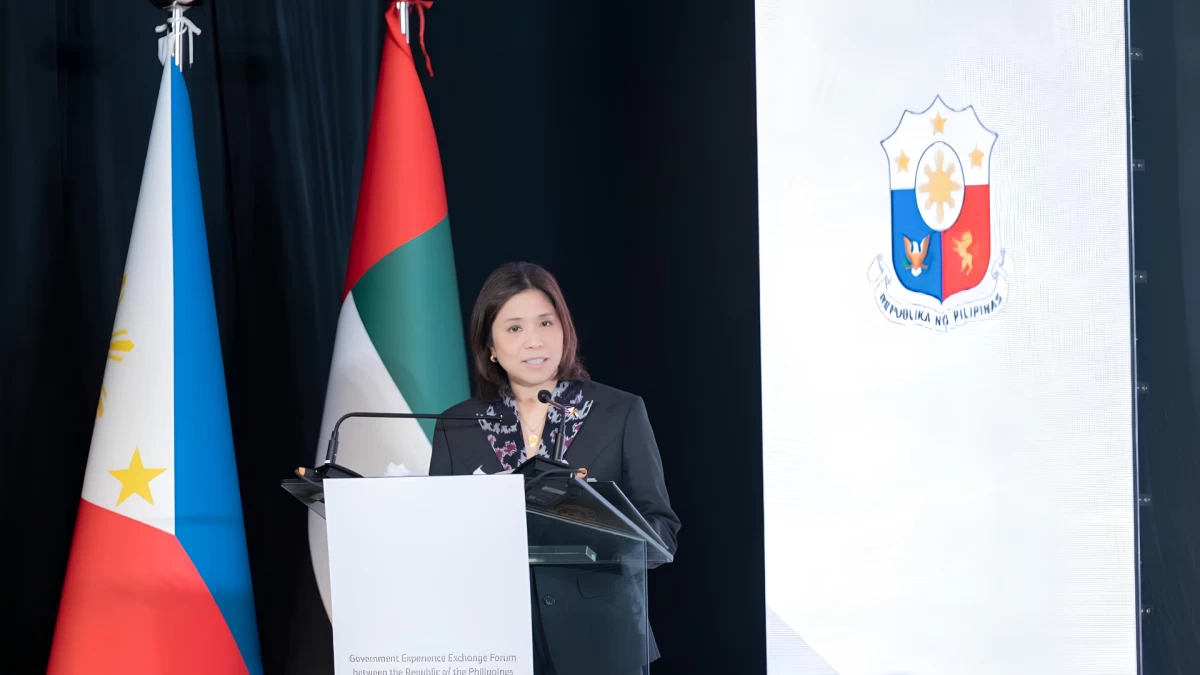
Highlighting international trade potential, Pangandaman details plans to position Al-Amanah Bank as a key gateway for local enterprises entering regional ASEAN trade corridors.
Furthermore, by tapping into the regional Halal economy across the ASEAN network—a market projected to reach trillions of dollars in the coming years—Al-Amanah aims to serve as a financial bridge connecting Philippine businesses to trade corridors in Malaysia, Indonesia, and beyond.
Ultimately, the goal is to offer every Filipino a financial alternative that prioritizes equity, clarity, and genuine economic growth.
“At the heart of Islamic finance is the concept of Amanah—a sacred trust,” Pangandaman says. “My goal is to apply macro-level fiscal discipline to personal banking: ensuring that finance builds tangible businesses, creates jobs, and gives every Filipino a stake in national growth without compromising their values.”