






Manila Bulletin
 Philippines
National
Substandard goods? Barbers warns Pinoys from dealing with Davao-based steel company
Philippines
National
Substandard goods? Barbers warns Pinoys from dealing with Davao-based steel company
Philippines
National
Substandard goods? Barbers warns Pinoys from dealing with Davao-based steel company
Substandard goods? Barbers warns Pinoys from dealing with Davao-based steel company
Published Aug 14, 2026 10:41 pm


At A Glance
- Former lawmaker Robert Ace Barbers warns against using steel bars from Davao Mighty Steel Corporation after a raid exposed workers to hazardous radioactive materials and led to arrests of Chinese nationals.
- Investigators are probing allegations of substandard steel, radioactive contamination, labor and immigration violations, and customs issues, stressing the risks to public safety and regulatory integrity.
- Barbers urges impartial, evidence-based investigation and calls on agencies and contractors to ensure all construction materials meet Philippine standards, saying lives must come before profit.
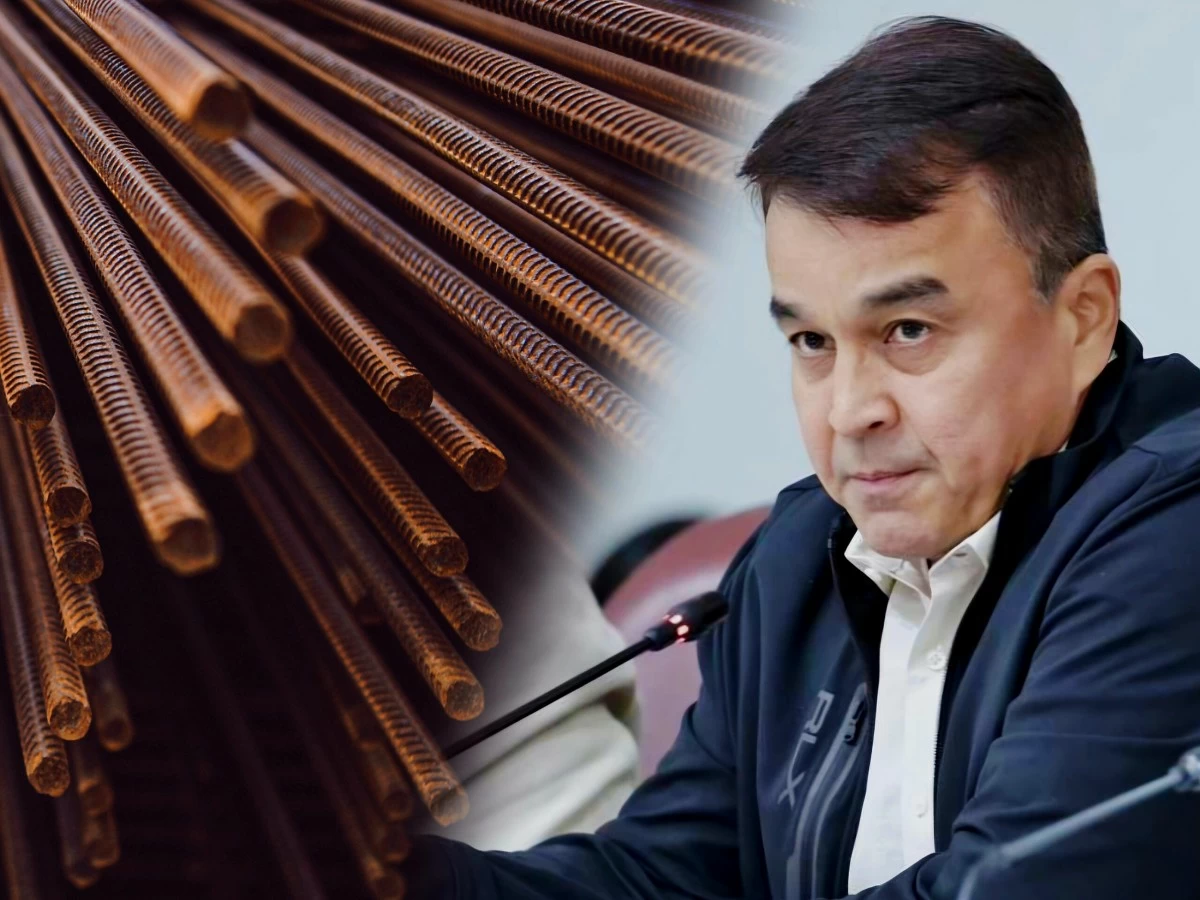
Steel bars (left), Robert Ace Barbers (Unsplash, PPAB)
Former House quad-committee (quad-comm) overall chairman Robert Ace Barbers has cautioned Filipinos from either using or purchasing steel bars manufactured by Davao Mighty Steel Corporation (DMSC).
Barbers gave this warning following the law enforcement operation Friday, Aug. 14 at the company's plant in Barangay Ilang, Bunawan district, Davao City.
The ex-Surigao del Norte congressman said that the joint operation by the National Bureau of Investigation (NBI) and the Presidential Anti-Organized Crime Commission (PAOCC) resulted to the arrest of 10 Chinese nationals and the rescue of more than 100 Filipino workers who were allegedly exposed to hazardous radioactive materials inside the DMSC facility.
"Steel is not an ordinary commodity. It is the backbone of buildings, bridges, schools, hospitals, and other critical infrastructure. Every Filipino family has the right to expect that the materials used in these structures comply with the highest safety standards," Barbers said.
He noted that the reported findings underscore the need to ensure that only construction materials meeting Philippine standards are used in homes and infrastructure projects.
The Mindanaoan added that investigators were likewise examining allegations involving substandard steel products, radioactive contaminants, environmental compliance, labor and immigration issues involving foreign nationals, and customs-related concerns.
"If these allegations are confirmed through scientific testing and due process, the implications go far beyond defective construction materials," Barbers said.
"They raise serious concerns about public safety, worker welfare, environmental protection, and the integrity of our regulatory system. The government owes the Filipino people clear answers on whether unsafe steel products entered the market, how long they were distributed, and whether safeguards meant to protect the public were circumvented."
Barbers said the reported operation highlights the seriousness of the government's ongoing investigation into the steel manufacturer's operations.
He noted that DMSC and the previously raided Philippine Sanjia Steel Corporation (PSSC) in the PHIVIDEC Industrial Estate in Tagoloan, Misamis Oriental, reportedly employed similar electric arc furnace technology, utilized local and imported scrap metal as raw materials, relied on Chinese technical personnel, and manufactured reinforcing steel bars for the domestic construction industry.
“These similarities warrant a thorough examination of whether the cases are isolated incidents or part of a broader pattern that deserves closer scrutiny,” he said.
At the same time, Barbers emphasized that the investigation must remain impartial and evidence-based.
"Those who were arrested are entitled to the full protection of the law and the presumption of innocence. Investigators, on the other hand, must be allowed to pursue the facts without interference or undue pressure. The evidence should ultimately determine accountability," he said.
Barbers urged the NBI, PAOCC, Philippine Nuclear Research Institute, Department of Trade and Industry, Department of Labor and Employment, and other concerned agencies to closely coordinate their investigations.
He likewise called on contractors, developers, suppliers, and government procuring entities to verify that all construction materials comply with Philippine standards.
"The strength of our buildings begins with the quality of the steel that goes into them. Protecting lives must always come before profit," Barbers said.