







Why has it been raining for days? PAGASA explains
Published Aug 14, 2026 09:11 pm


At A Glance
- Philippine Atmospheric, Geophysical and Astronomical Services Administration (PAGASA) weather specialist Dr. John Manalo said the southwest monsoon or "habagat" remains active over western Luzon, as strong southwesterly winds continue to bring moisture toward the country.
- August is also when the habagat is most pronounced, he noted.
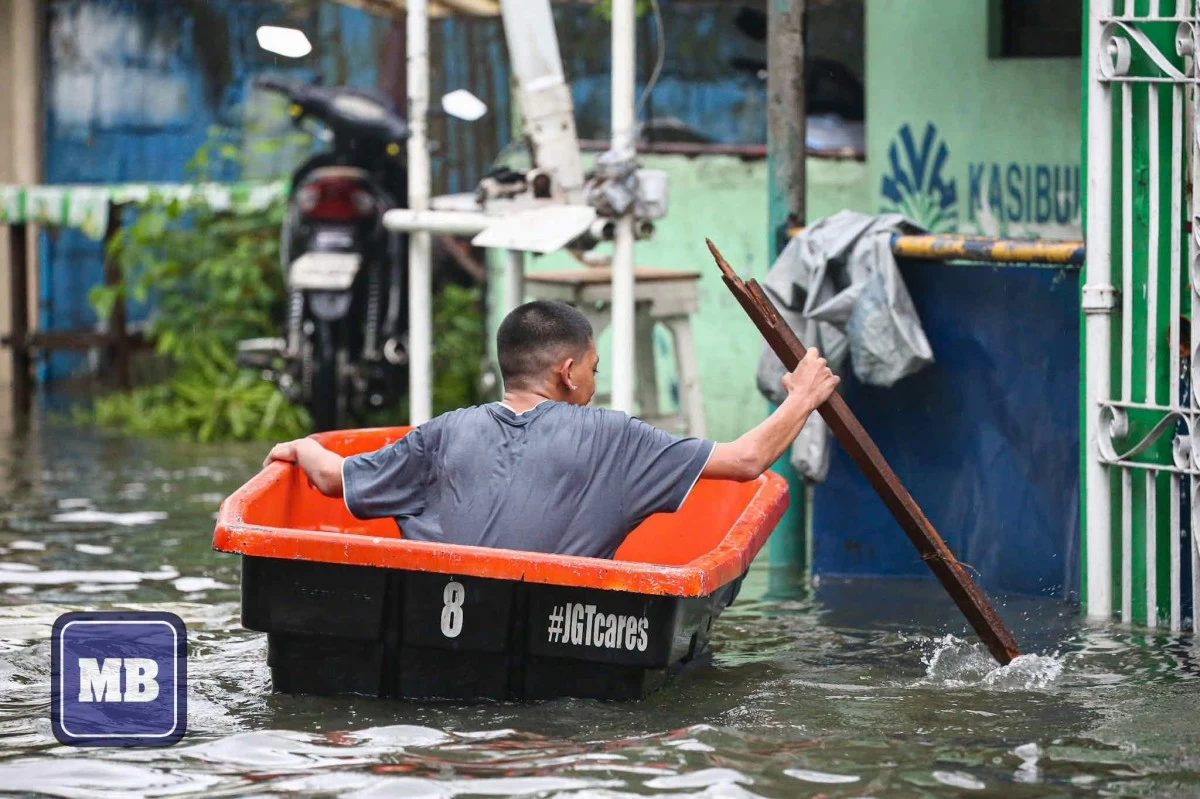
(John Louie Abrina/Manila Bulletin)
Several days of rain have left parts of Luzon grappling with flooding and landslides.
Philippine Atmospheric, Geophysical and Astronomical Services Administration (PAGASA) weather specialist Dr. John Manalo said the southwest monsoon or “habagat” remains active over western Luzon, as strong southwesterly winds continue to bring moisture toward the country.
“Ano po ba yung dahilan bakit patuloy pa rin yung habagat na nakakaapekto sa atin for the past several days na. At ang isa po sa dahilan ay yung active o malakas na southwesterly winds. Ito po yung typical na habagat season (What is causing the habagat to continue affecting us for the past several days? One of the reasons is the active or strong southwesterly winds. This is typical of the habagat season),” Manalo said.
August is also when the habagat is most pronounced, he noted.
These conditions are allowing the monsoon to continue bringing moisture and rainfall over western Luzon, without another tropical cyclone having to strengthen it.
“Actually, yung solid na habagat lang po talaga yung nakakaapekto sa atin (Actually, it is really the habagat itself that is affecting us),” Manalo said.
He said the low-pressure area (LPA) being monitored by PAGASA is still far away and its circulation is not strong enough to pull or strengthen the habagat affecting the country.
The monsoon is also carrying abundant moisture, which is helping sustain the rains.
“At bukod po dun, yung habagat po sa kasalukuyan ay may maraming dalang moisture. Kaya kung mapapansin din po natin dito, bago ito tumama sa kalupaan, ay nagkakaroon ng accumulation o pagkakaroon ng kumpul-kumpul na kaulapaan (Aside from this, the habagat is currently carrying a lot of moisture, causing clouds to build up before reaching land),” Manalo said.
The moisture-laden winds can produce even heavier rainfall when they encounter mountainous terrain, through a process known as orographic lifting.
“May contribution din po dito yung tinatawag na orographic lifting (There is also a contribution from what we call orographic lifting),” he said.
He explained that as moisture-laden winds encounter mountains, clouds accumulate on the windward side, resulting in heavier rainfall in those areas while places on the opposite side may receive less rain.
“Ang gusto po natin banggitin dito ay may mga lugar po na makakaranas ng mga increased o mas intense na mga pag-ulan as compared sa iba pang lugar nito, lalo na kapag may mountainous area (There are areas that may experience increased or more intense rainfall compared to other areas, especially when there is a mountainous area),” Manalo said.
Manalo warned that the continued rains could further increase the risk of flooding and landslides, particularly in areas that have already received substantial rainfall in recent days.
He urged residents to immediately heed evacuation orders from local disaster risk reduction and management offices.
“Kahit paulit-ulit po tayo kapag nakipag-coordinate na po sa atin yung ating mga local DRRM offices at pinapalikas na po tayo, ay sumunod po tayo agad (Even if we have to repeat this reminder, once our local Disaster Risk Reduction and Management offices coordinate with us and order us to evacuate, we should follow immediately),” Manalo said.